Know the attack before it reaches your people.
Plain-English guides to the phishing emails, WhatsApp scams, fake websites and investment fraud landing in inboxes right now: how each one works, the signs that give it away, and what to do when someone has already clicked.

The Complete Guide to Online Scams: How to Identify, Avoid and Report Them
How online scams work, the most common types, the warning signs to check, what to do if you are scammed, and where to report it in your country.
Read the guide →
"Guaranteed Returns": Why No Real Investment Promises Them
"10% a week, guaranteed." Why higher returns always come with higher risk, why 'guaranteed' is a red flag, and how to compare a pitch with realistic returns.

A One-Hour Cyber Risk Review for Small Businesses
You do not need a consultant to understand your biggest cyber risks. Five questions a small business owner can answer in an hour, and how to act on the answers.
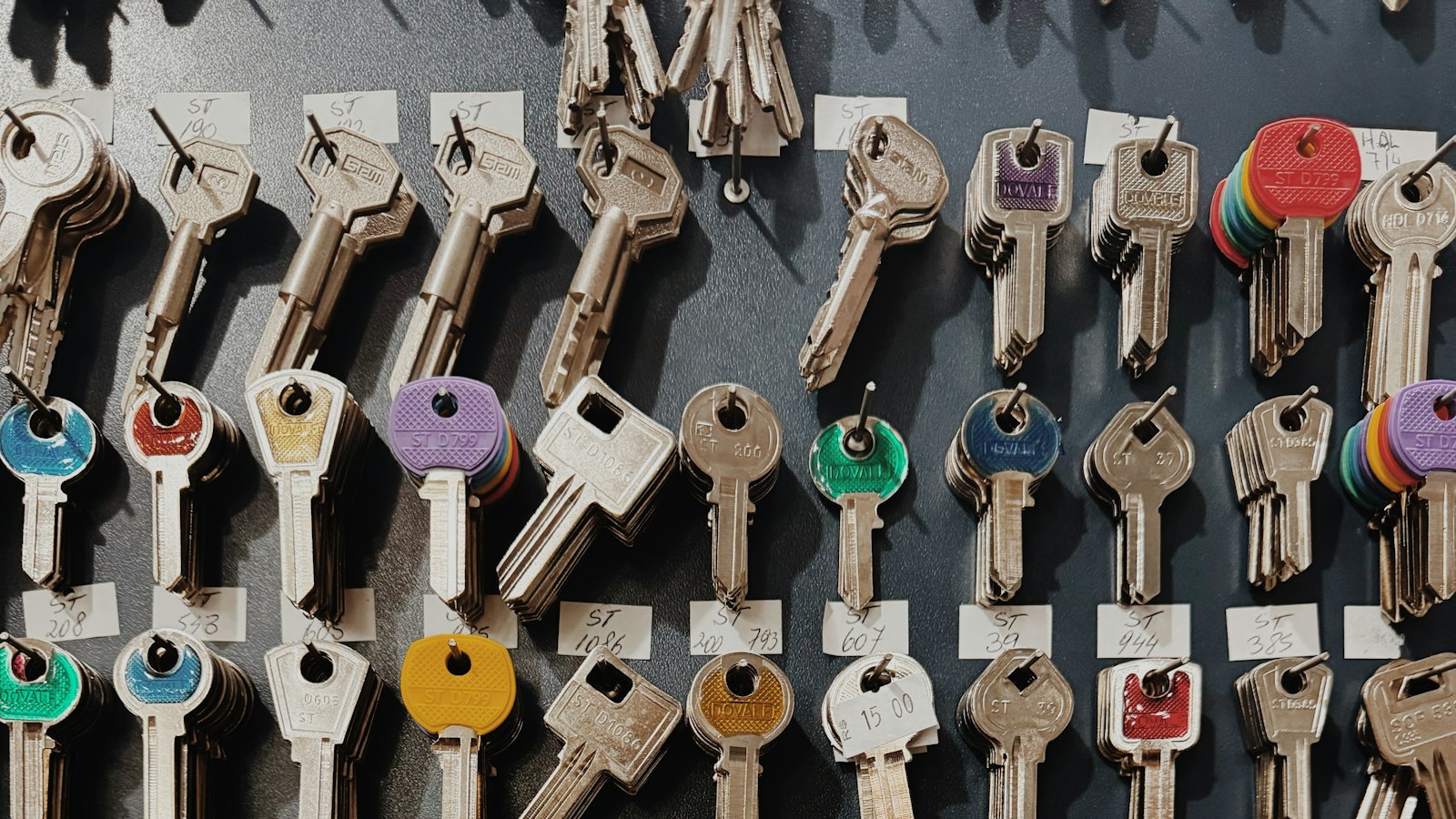
Administrator Accounts: Keeping the Keys Safe
Admin accounts can change everything: users, email rules, security settings and billing. How small businesses should protect them with separate accounts, strong sign-in and few admins.

App Permissions: What a Loan App Should Never Need
A loan app that wants your contacts, photos or SMS is a warning sign. What permissions a lender might reasonably need, which ones enable harassment and fraud, and how to revoke them.

ATM Card Swap and Distraction Scams
A friendly stranger offers help at the ATM, watches your PIN and swaps your card. How distraction and card swap scams work, and how to protect yourself at the machine.

ATM Skimming: How to Spot a Tampered Machine
Skimmers copy your card at the slot, and hidden cameras or fake keypads capture your PIN. How ATM skimming works, the signs of a tampered machine, and safer ATM habits.

Borrowing Safely When You Need Money Fast
Urgent need for money is exactly what loan scammers and predatory lenders look for. Safer options to consider first, and the questions to ask any lender before you borrow.

Buying Crypto Peer-to-Peer Safely
Peer-to-peer crypto trades pair buyers and sellers directly. How to use escrow properly, confirm payments, avoid reversed or fake payments, and stay out of money laundering.

Can Stolen Crypto Be Recovered?
Crypto transfers are hard to reverse, but reporting quickly sometimes helps. What is realistic after crypto theft, what to do first, and how 'recovery experts' scam victims again.

Card Fraud While Travelling
Travel brings new ATMs, unfamiliar terminals and card use in busy places. How to protect your cards abroad: tell your bank, carry a backup, use safe ATMs and watch for skimming.
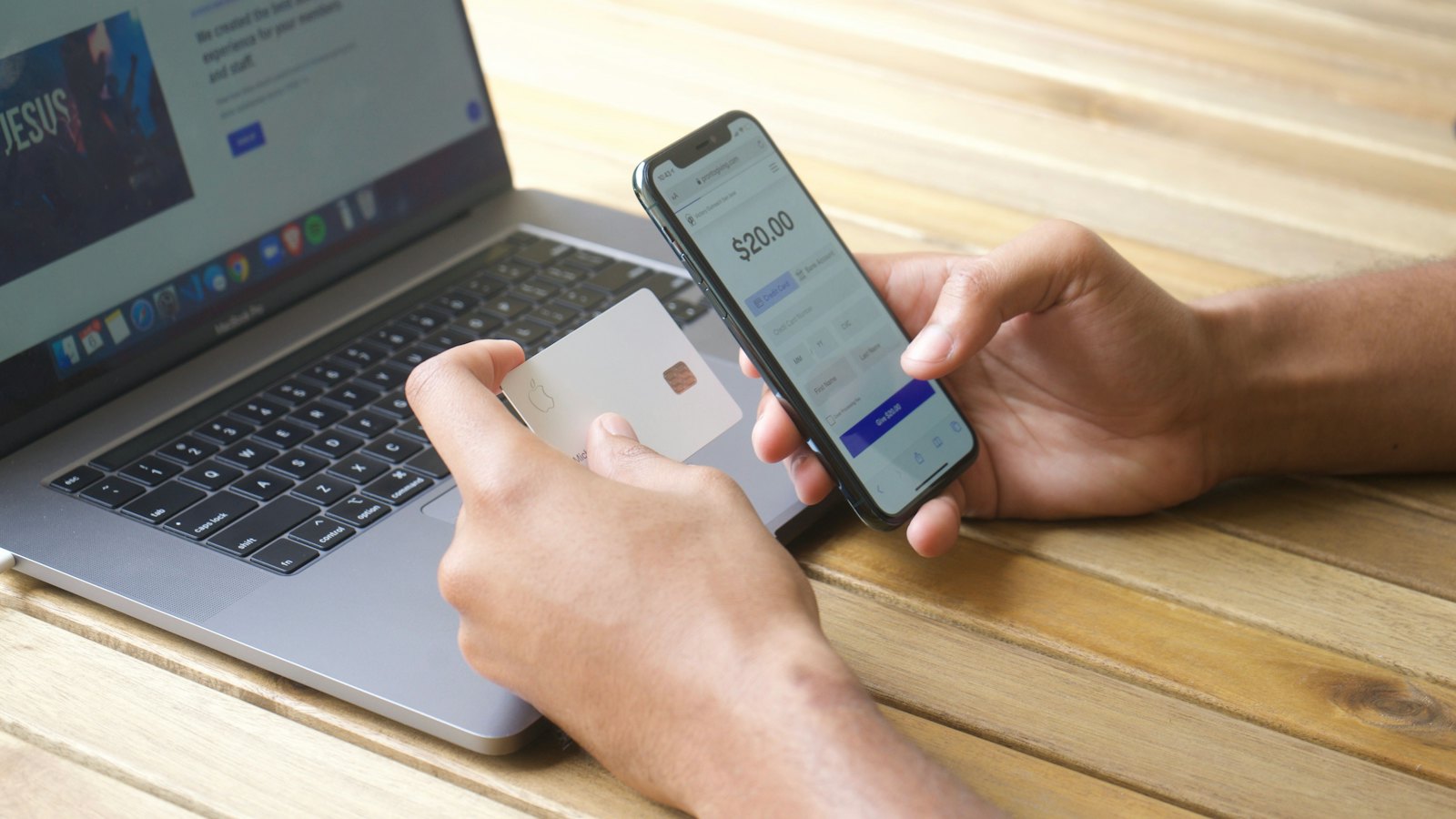
Card-Not-Present Fraud: When Your Card Is Used Online
Your card is in your wallet, but someone is spending with it online. Where card numbers leak, how card-not-present fraud works, and how to spot it and limit the damage.
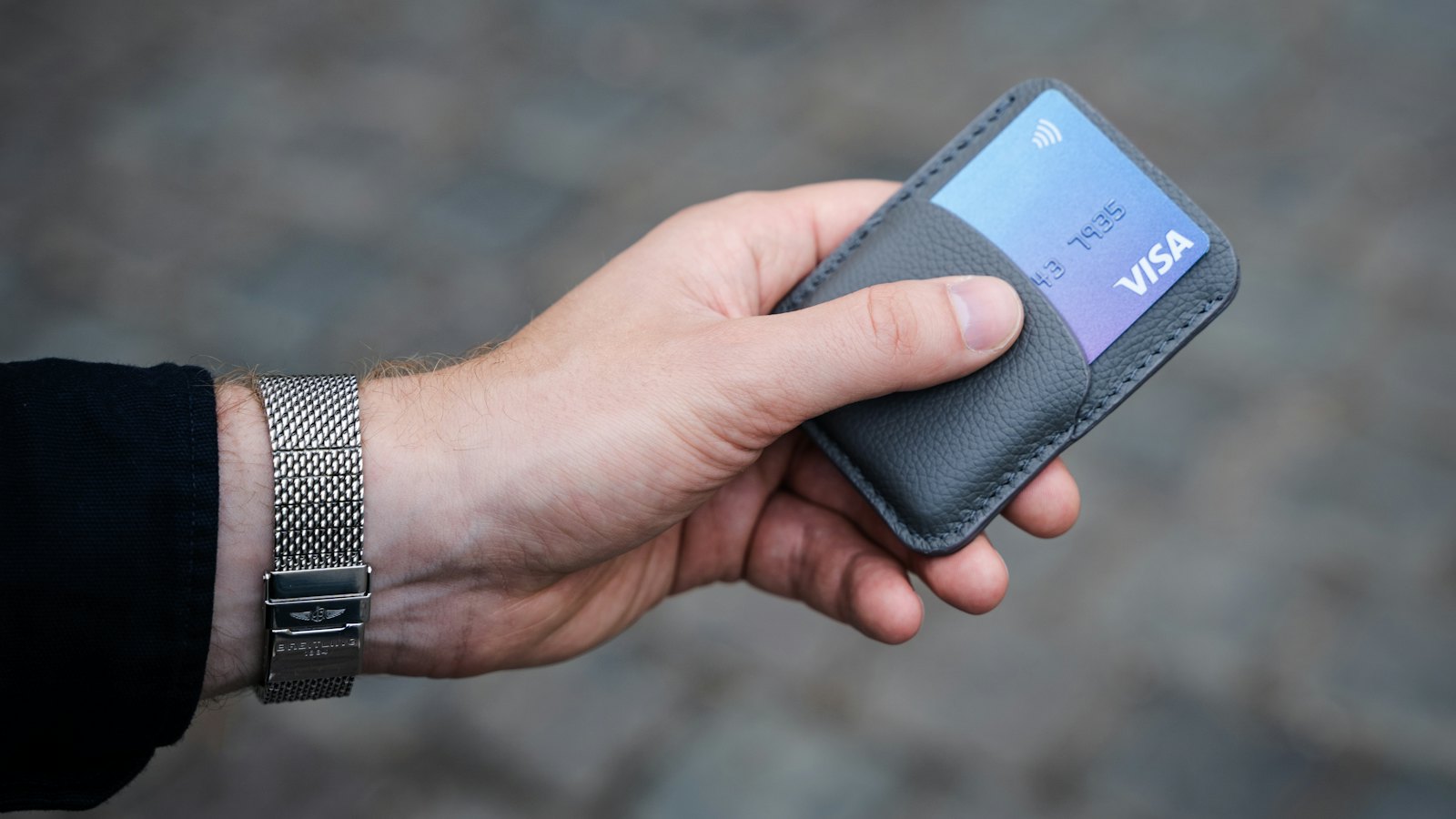
Contactless Payments: Myths and Real Risks
Can someone steal from your card by walking past with a reader? What contactless fraud is realistic, what is mostly myth, and simple settings that keep tap-to-pay safe.

Cross-Border Business Payment Fraud
Importers and exporters are prime targets for supplier impersonation and changed bank details. How cross-border payment fraud happens and the controls that stop it.

Crypto Giveaway and Doubling Scams
"Send any amount to this address and we'll send double back." How crypto giveaway and doubling scams use fake celebrities, hacked accounts and livestreams, and why the crypto never comes back.

Crypto Mining and Staking Schemes That Are Really Ponzis
"Rent a mining machine and earn 3% a day." How fake cloud mining and staking schemes pay early investors with new money, and the signs that give them away.

Cyber Insurance for Small Businesses
Cyber insurance can help pay for incident response, recovery and some losses. What policies typically cover, common exclusions, and the security basics insurers usually expect.

Cybersecurity Frameworks for Small Businesses, Explained
Customers and insurers mention frameworks like Cyber Essentials, NIST CSF and ISO 27001. What each is, who it suits, and which a small business should look at first.

Cybersecurity on a Small Budget: What to Do First
You do not need expensive tools to protect a small business. Free and low-cost steps ranked by impact, from two-step verification to backups and a payment rule.

Debt Collection Scams
A collector demands immediate payment for a debt you don't recognise, with threats of arrest. How fake debt collection works, how to verify a debt, and what real collectors can and cannot do.

Diaspora Building Project and Remittance Fraud
People abroad often fund building projects at home, relying on relatives, contractors and photos. How project fraud happens, and ways to verify progress and pay suppliers directly.

Do Small Businesses Need an IT Provider?
An IT provider can take care of devices, backups and security settings, but not everything. What to outsource, what to keep in-house, and questions to ask before signing.

Dual Approval for Payments: Setting It Up
Requiring two people to approve payments stops many frauds and mistakes. How to set up dual approval in business banking, choose thresholds and handle absences.

Enforcing Two-Step Verification Across a Business
Two-step verification only protects a business if everyone uses it. How to roll it out, enforce it in common services, choose methods and handle the awkward exceptions.

Evidence to Keep After Financial Fraud
Good evidence helps your bank, provider and the police act. What to save after financial fraud, how to capture it safely, and how to build a simple timeline.

Executive Impersonation and Gift Card Requests at Work
"Are you free? I need you to buy some gift cards for clients, I'll reimburse you." How executive impersonation works at work and the simple rule that stops it.

Fake Agricultural and Farm Investment Schemes
"Sponsor a farm cycle and earn 30% in six months." How fake agricultural investment schemes work, why they appeal, and how to check a farm operator before investing.

Fake Crypto Exchanges and Trading Platforms
A professional-looking trading platform shows your balance growing fast, but withdrawals never work. How fake crypto exchanges operate and how to check a platform before depositing.

Fake Crypto Wallet Apps and Seed Phrase Theft
Your seed phrase is the master key to your crypto wallet. How fake wallet apps, fake support and 'validation' sites steal it, and how to store it safely.

Fake Loan Offers on Social Media
Ads and posts offering easy loans lead to 'agents' who collect fees and ID documents. How fake loan offers on social media work, and how to find a genuine lender.

Fake Money Transfer Agents and Exchange Rate Scams
'Better than bank' exchange rates offered on social media or in the street often end with no money received, fake notes or short counts. How currency exchange scams work.

Fake Payment Confirmations From Foreign Buyers
A foreign buyer sends a 'bank confirmation' saying payment is pending until you pay a fee or ship first. How fake international payment confirmations trick sellers.

Fake Payment Confirmations Sent to Your Business
A customer emails remittance advice or a receipt to prove payment, and wants goods released. The payment never arrives. How fake confirmations work and how to check.

Foreign Currency Account Safety
Foreign currency accounts often hold savings, remittances or business funds, which makes them targets. Alerts, limits and verification habits that keep them safe.

Forex Trading Scams and Fake Account Managers
'Account managers' promise to trade currencies for you, showing screenshots of big wins. How forex scams work, what managed-account fraud looks like, and how to check a broker.

How to Block Your Wallet, Card or SIM Immediately
Blocking stops further losses when a card, phone, PIN or account is compromised. Where to find the block options for wallets, cards, banking apps and SIMs, and what to do next.

How to Check If a Digital Lender Is Licensed
Central banks and regulators in many countries publish lists of licensed lenders. How to check a loan app before borrowing, with examples from Kenya, the UK, Nigeria and elsewhere.

How to Check If an Investment Company Is Licensed
Before investing, check the firm and adviser on your financial regulator's register and warning lists. Where to look in the US, UK, Ghana, Nigeria, India, Australia and beyond.

How to Dispute a Card Transaction
Unauthorised charges, goods not received or double charges can often be disputed with your card issuer. How chargebacks work, what evidence helps, and why speed matters.

How to Stop a Mobile Money or Bank Transfer Quickly
Minutes matter after sending money to a scammer. Who to call first, what to say, what details to have ready, and what your bank or provider may be able to do.

International Wire Transfer Scams
Once a wire transfer lands abroad, getting it back is very hard. Common scams that ask for wires, why scammers prefer them, and what to do quickly if you sent one.

Investment Groups on WhatsApp and Telegram
Chat groups promising stock, forex or crypto profits use fake members, profit screenshots and admin tricks to push you onto fake platforms. How to recognise and leave them.

Joiners, Movers and Leavers: Managing Staff Access
Access problems start when people join, change roles or leave. A simple checklist for small businesses to give the right access at the start and remove it at the end.

Land and Real Estate Investment Scams
Plots sold twice, forged title documents, off-plan projects that never start: how land and real estate scams work, and the verification steps before paying anything.

Loan App Harassment and Contact Shaming: What to Do
Some loan apps message your contacts, post shaming images or threaten you over late payments. What to do: keep evidence, report to regulators and app stores, and protect your contacts.

Loan App Scams: Fees Before Loans
"Pay a small processing fee and your loan will be released." How upfront-fee loan app scams work, how real lenders charge, and the checks to do before you borrow.

Loans Taken in Your Name: Identity Fraud and Credit
A lender or collector contacts you about a loan you never took. How identity fraudsters borrow in your name, and how to report, dispute and protect your credit record.

Lost or Stolen Card: The First 15 Minutes
Freeze the card, check recent transactions, report it and get a replacement. A step-by-step checklist for the first 15 minutes after losing a bank card.

Measuring Cybersecurity Progress in a Small Business
You cannot improve what you do not track. Five simple measures a small business can check monthly to see whether its security is getting better.
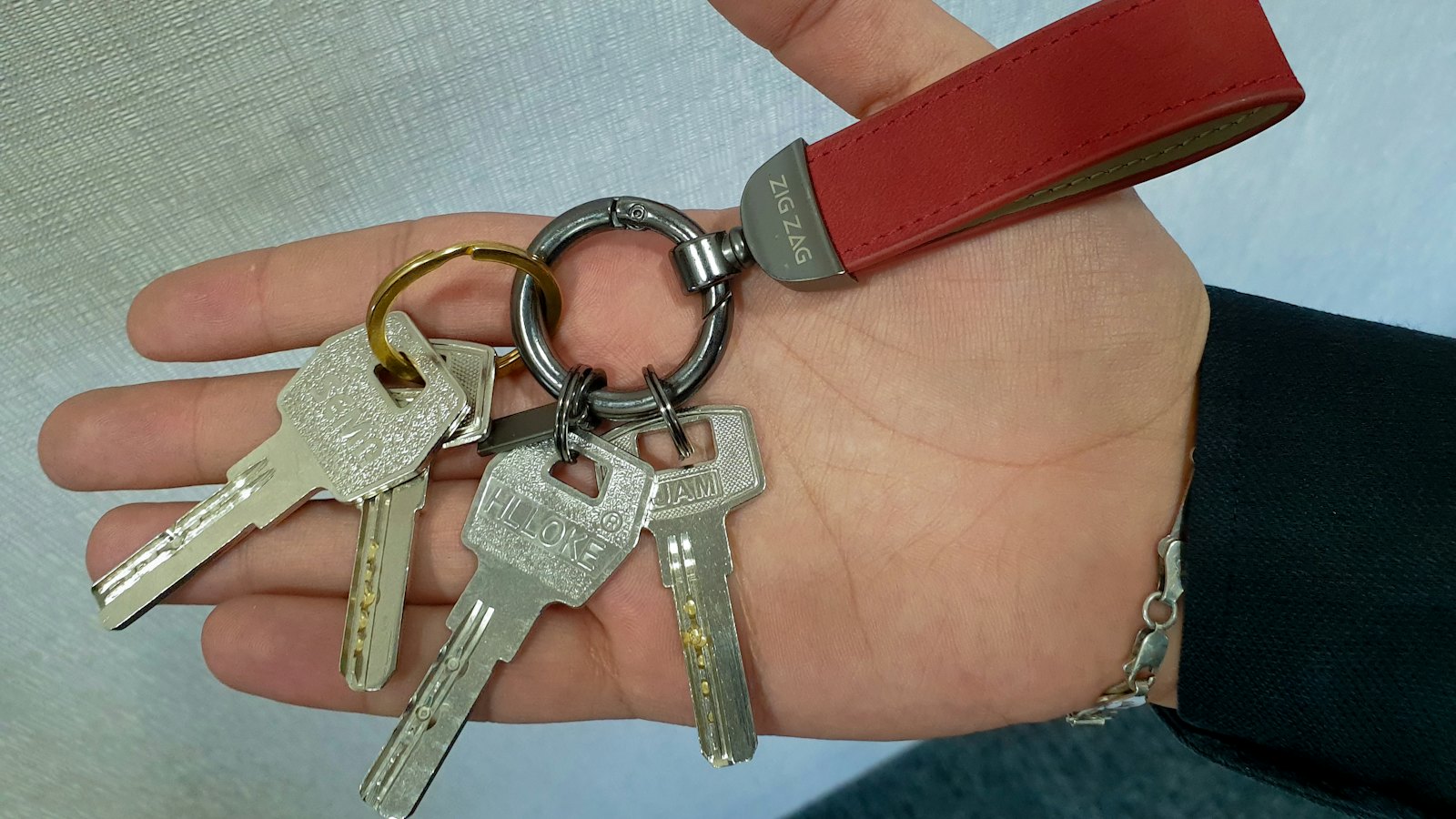
Passwords in a Team: Choosing a Business Password Manager
Sticky notes, shared spreadsheets and reused passwords put small businesses at risk. How to choose a business password manager, share credentials safely and roll it out.

Payment Verification Procedures That Stop Fraud
Most business payment fraud is stopped by one habit: verifying changes and unusual requests through a separate channel. A simple procedure with call-backs, dual approval and thresholds.
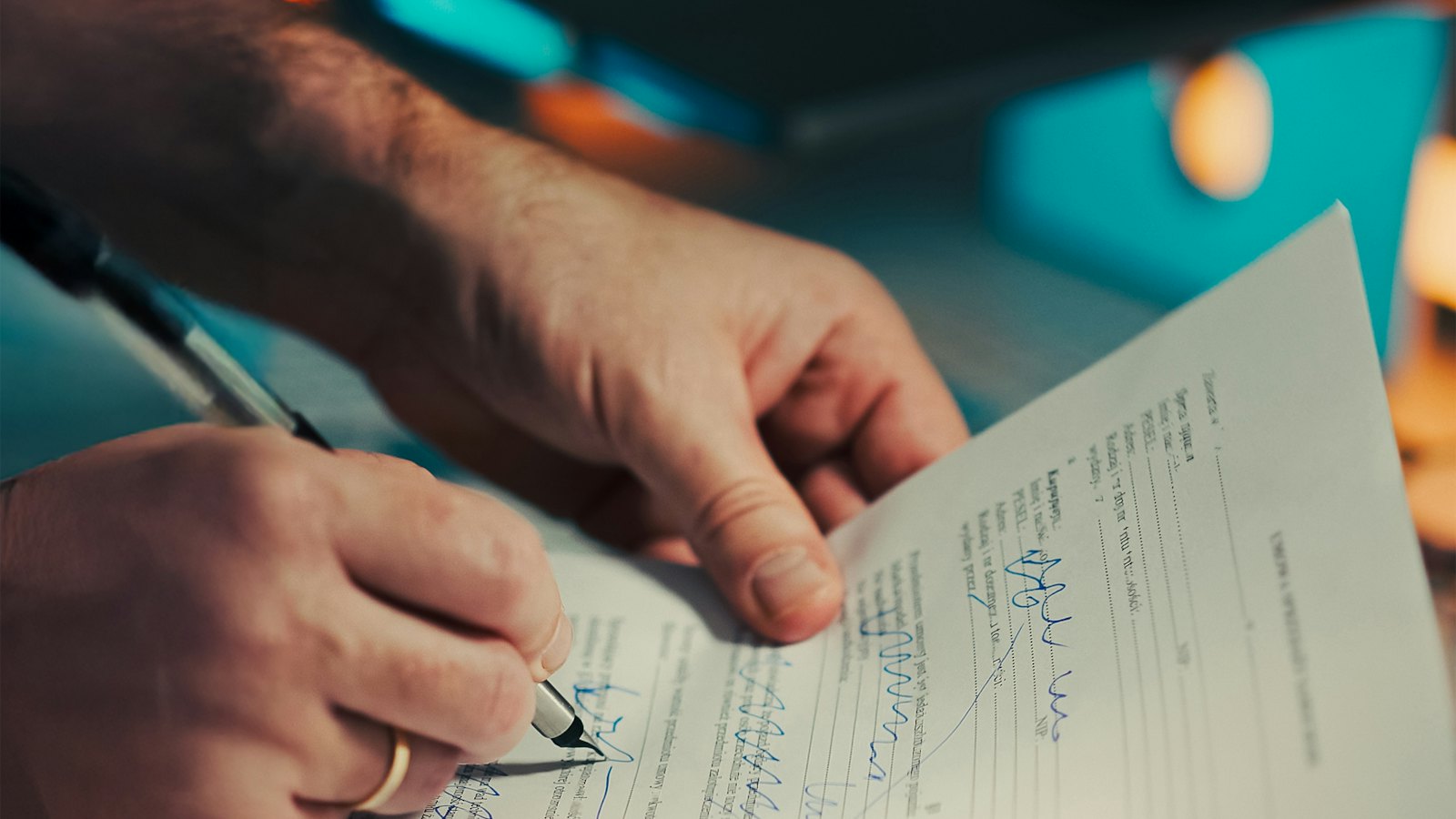
Payroll Diversion Fraud
An email from an employee asks HR to change where their salary is paid. It is a fraudster. How payroll diversion works and the checks HR and payroll teams should use.

Pickup and Collection Scams With Money Transfer Services
Cash pickup transfers are fast and hard to trace, which is why scammers love them. How advance fee, romance and 'collect for me' scams use money transfer pickups.

Ponzi and Pyramid Schemes: How They Work and Why They Collapse
Early investors get paid with money from new ones, until the new money runs out. How Ponzi and pyramid schemes work, how to tell them apart, and the signs to watch for.
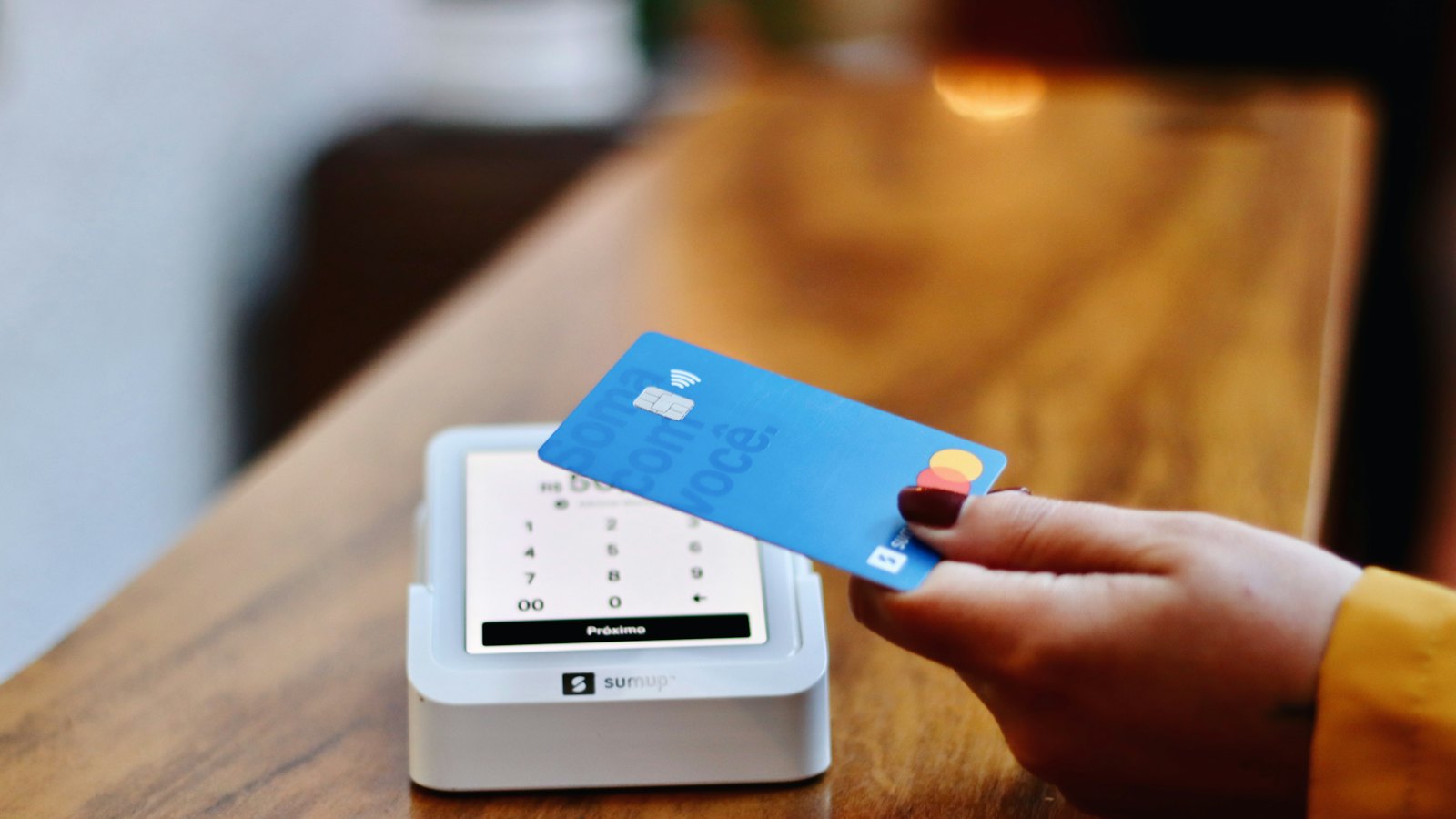
POS Terminal Tricks at Shops and Fuel Stations
Wrong amounts, 'failed' payments charged twice, and cards taken out of sight: how people get overcharged or cloned at shop and fuel station card terminals, and what to watch for.
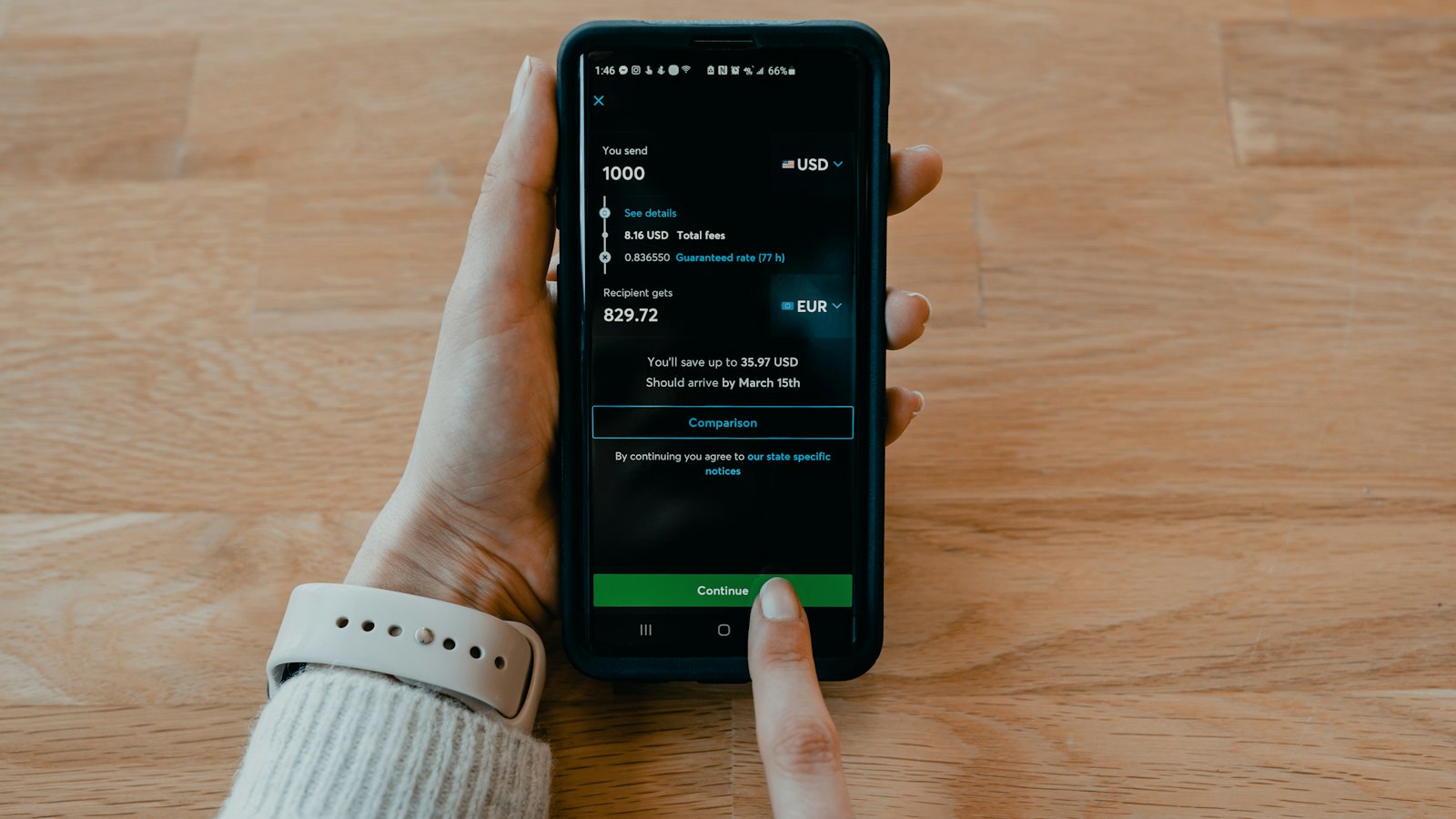
Protecting Your Identity After Financial Fraud
Scammers who took money may also have your ID, passwords or personal details. How to change credentials, watch for new accounts and loans, and use protective services.
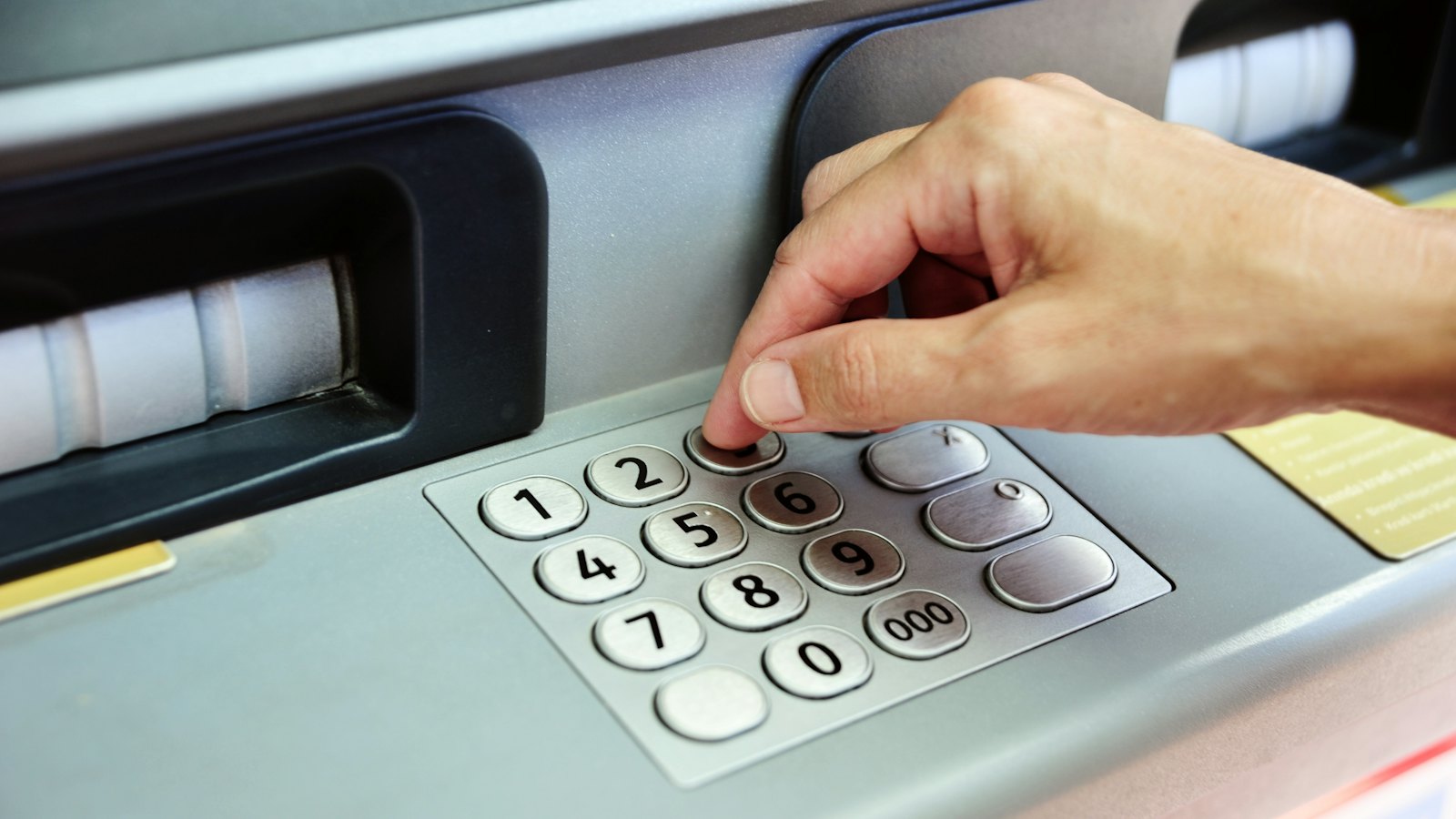
Protecting Your PIN at ATMs and POS Terminals
Your card PIN is the key that makes a stolen card useful. Simple habits for covering the keypad, spotting watchers and keeping control of your card at ATMs and shop terminals.

Reading a Digital Loan Offer: Fees, Interest and Terms
A 'small' fee on a two-week loan can be a very high cost over a year. How to read a digital loan offer: total cost, due dates, rollover charges and penalties, before you accept.

Rebuilding After Losing Money to Fraud
Losing money to fraud affects finances, confidence and relationships. Practical next steps for your money and security, and where to find emotional and financial support.

Receiving Payments From Abroad as a Freelancer
Freelancers working for overseas clients face overpayment tricks, fake job platforms and payout scams. How to get paid safely and spot clients who are really scammers.

Recovery Agents and Fake Refunds After Fraud
After a scam, 'lawyers', 'hackers' and 'agencies' offer to recover your money for a fee. Why these offers are usually a second scam, and where real help comes from.

Relationship Investment Scams
Weeks or months of friendship or romance, then an 'opportunity' on a crypto or trading platform. How relationship investment scams work, and why they are so hard to see from inside.

Reporting Financial Fraud to the Police
What to bring when reporting fraud, what usually happens next, and national reporting services in the US, UK, Canada, Australia, India, the EU, Ghana and elsewhere.

Reporting Unlicensed Investment Schemes to Regulators
Financial regulators investigate unlicensed investment schemes and publish warnings. Which regulator to contact in different countries, and what to include in your report.

Reporting Unlicensed Loan Apps and Lenders
Unlicensed and abusive loan apps can be reported to financial regulators, consumer protection bodies, data protection authorities and app stores. Where to report and what to include.
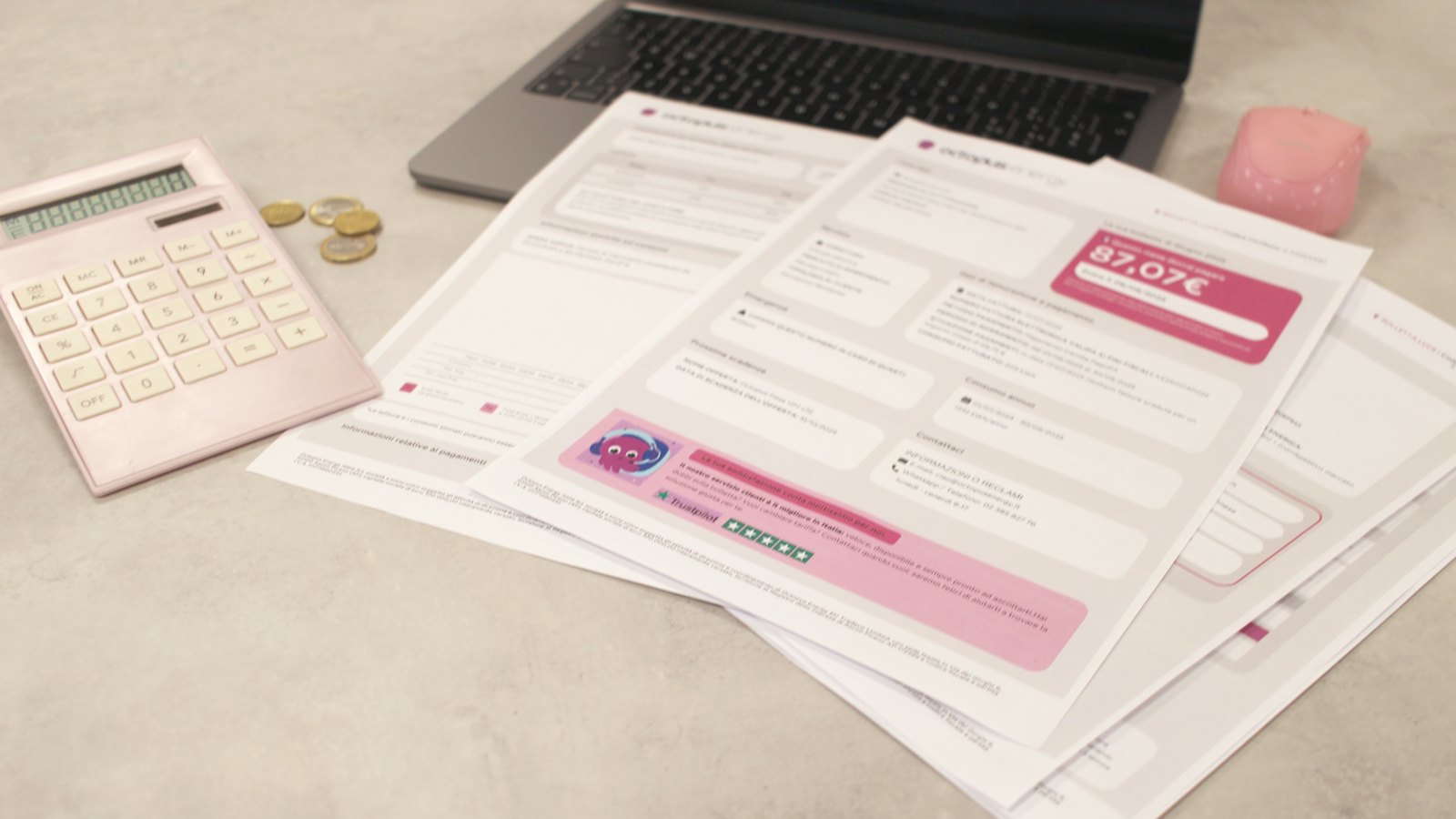
Salary Advance and Payday Loan Traps
Borrowing against next month's pay can turn into a cycle of rollovers and fees. How salary advance and payday loan traps work, the warning signs, and ways out.

Savings Group and Cooperative Fraud (Susu, Chama, Tandas)
Rotating savings groups and cooperatives run on trust worldwide, from susu and chama to tandas and stokvels. Collector fraud, fake groups and simple controls that protect members.

Security for Sole Traders and Micro Businesses
One to five people, no IT department, and every account matters. A scaled-down security plan for sole traders and micro businesses that fits into an afternoon.
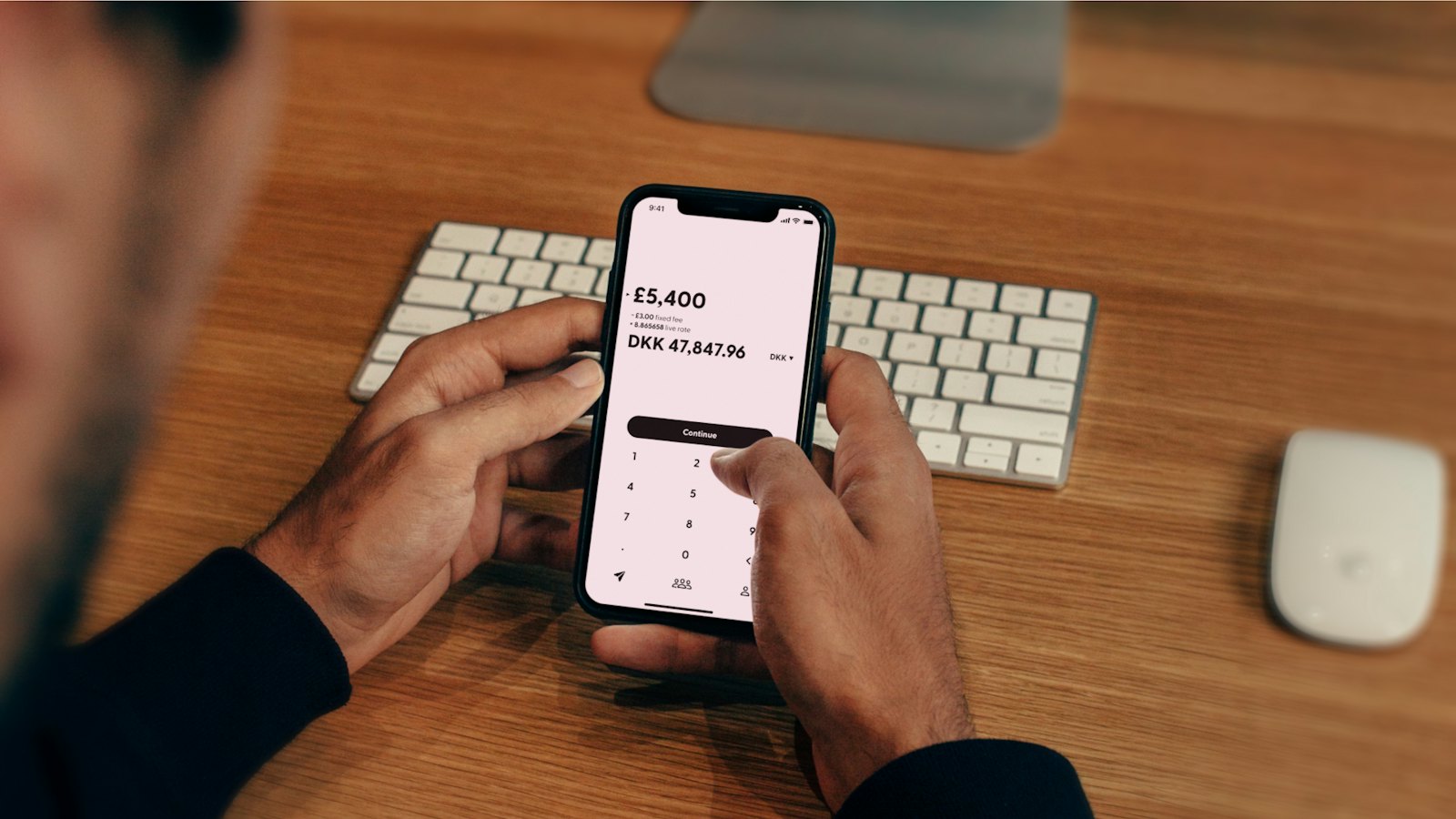
Sending Money Home From Abroad: Avoiding Scams
Remittances support families worldwide, and attract scammers. How to choose a licensed transfer service, verify who you are paying, compare fees and avoid common remittance scams.

Sending Money to Someone You Met Online
A partner, friend or business contact you have only met online asks for money. The questions that expose most romance and friendship scams, and why the answer is almost always no.

Shared Accounts and Why They Cause Problems
One login used by the whole team is convenient until something goes wrong. Why shared accounts cause security and accountability problems, and safer alternatives.

Spotting Unauthorised Card Charges Early
Fraudsters often start with small test charges. How to spot unauthorised card use early with alerts and quick statement checks, and what to do the moment you find one.

The First 30 Days of a Small Business Security Programme
A realistic week-by-week plan to get a small business from 'we should do something' to solid basics in a month: accounts, payments, devices, backups and people.

Training Finance Teams Against Payment Fraud
Finance teams are the last line of defence against payment fraud. Realistic scenarios, short drills and verification practice that make checking automatic.

Virtual Cards and One-Time Cards for Online Shopping
A virtual card gives you a separate card number for online shopping that you can freeze, limit or delete without touching your main card. How virtual and one-time cards reduce fraud.

What to Do If You Invested in a Scheme That Stopped Paying
Withdrawals are frozen, the platform wants a fee, and the group has gone quiet. What to do if an investment stops paying: stop depositing, gather evidence, report, and avoid recovery scams.

What to Do When a Business Payment Goes to a Fraudster
A supplier payment went to a criminal's account. The steps that matter in the first hours: bank recall, securing email, evidence, reporting and a blame-free review.

Withdrawal Fees and "Tax" to Release Your Profits
"To release your funds, pay 15% tax first." Why withdrawal fees, taxes and verification deposits are the final extraction stage of investment scams, and what to do instead.
Writing a One-Page Security Policy
A security policy only works if people read it. A one-page template with seven clear rules for small businesses, and how to introduce it without eye-rolling.

"Dial This Code" Scams: What USSD Codes Can Do
A caller asks you to dial a code to 'fix' your account or claim a prize. Some codes forward your calls to the scammer or authorise payments. Which codes to be wary of, and how to undo forwarding.
Accepting Payments for Online Sales Without Getting Scammed
Selling through social media, WhatsApp or marketplaces? Rules for payment before delivery, spotting fake buyers and overpayments, and keeping evidence in case of disputes.

Account Takeover: Signs Someone Is Inside Your Bank Account
New devices, changed contact details, unknown payees and small test payments can mean someone is inside your bank account. The warning signs, and the first steps to take.

AI Voice Notes That Sound Like Someone You Know
A voice note that sounds exactly like your child, parent or boss asks for urgent money. Voices can now be cloned from short clips. How AI voice note scams work and how to verify.

Bank Fraud Targeting Older Customers
Fake bank calls, courier fraud, investment pitches and 'helpful' strangers target older customers. The common approaches, and simple habits and bank tools that protect them.

Bank Impersonation Calls: How the Fraud Department Scam Works
A caller from 'your bank's fraud team' knows your name, shows your bank's number and wants to protect your money. How the scam works and the one test that exposes it.
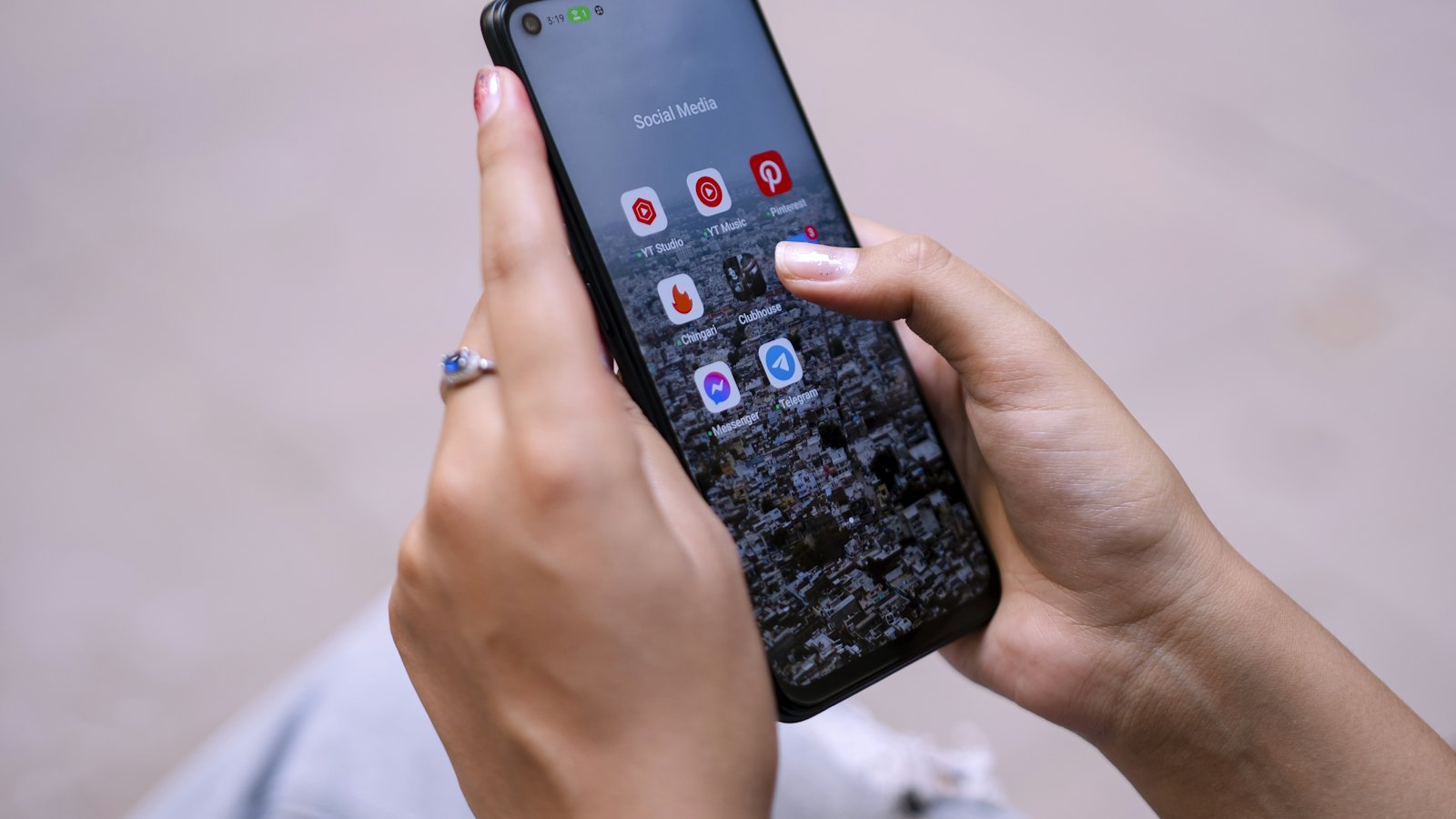
Bank SMS Phishing: Fake Alerts and Links
Texts that look like bank alerts warn of blocked accounts, new payees or suspicious logins, with a link or number to call. How to tell fake bank texts from real ones.

Betting and Gaming Wallet Scams
'Sure' fixed matches for sale, fake betting bonuses and people offering to 'boost' your betting wallet. How betting scams take money from gamblers and their mobile wallets.

Business Wallets: Separating Business and Personal Money
Using one wallet for business and personal money makes fraud harder to spot and records harder to keep. Why separation helps, and how to set it up simply.

Customer Service on WhatsApp Without Exposing Customers
Businesses serving customers on WhatsApp can teach them good habits or accidentally train them to fall for scams. What to ask, what never to request, and how to verify customers.

Deepfake Video Calls on WhatsApp
Scammers can now fake a face on a live video call. Signs of manipulated video, why short blurry calls are suspicious, and verification questions that work.

Delivery and Pay-on-Delivery Payment Scams
Pay on delivery feels safe, but scammers use fake riders, swapped parcels and fake payment confirmations. How buyers and sellers can protect themselves at the handover.

Emergency Calls From "Hospitals" and "Police"
"Your son has been in an accident and needs surgery. Pay now." How emergency call scams use fear about family, and how to confirm quickly without losing precious time.

Fake Banking Apps
Copycat banking apps steal logins and codes, and some take over your phone. How fake banking apps spread, how to spot them, and how to make sure you install the real one.

Fake Internet Banking Login Pages
Links in texts, emails and search ads lead to perfect copies of bank login pages. How fake banking pages work, how to spot them, and the safe ways to log in every time.
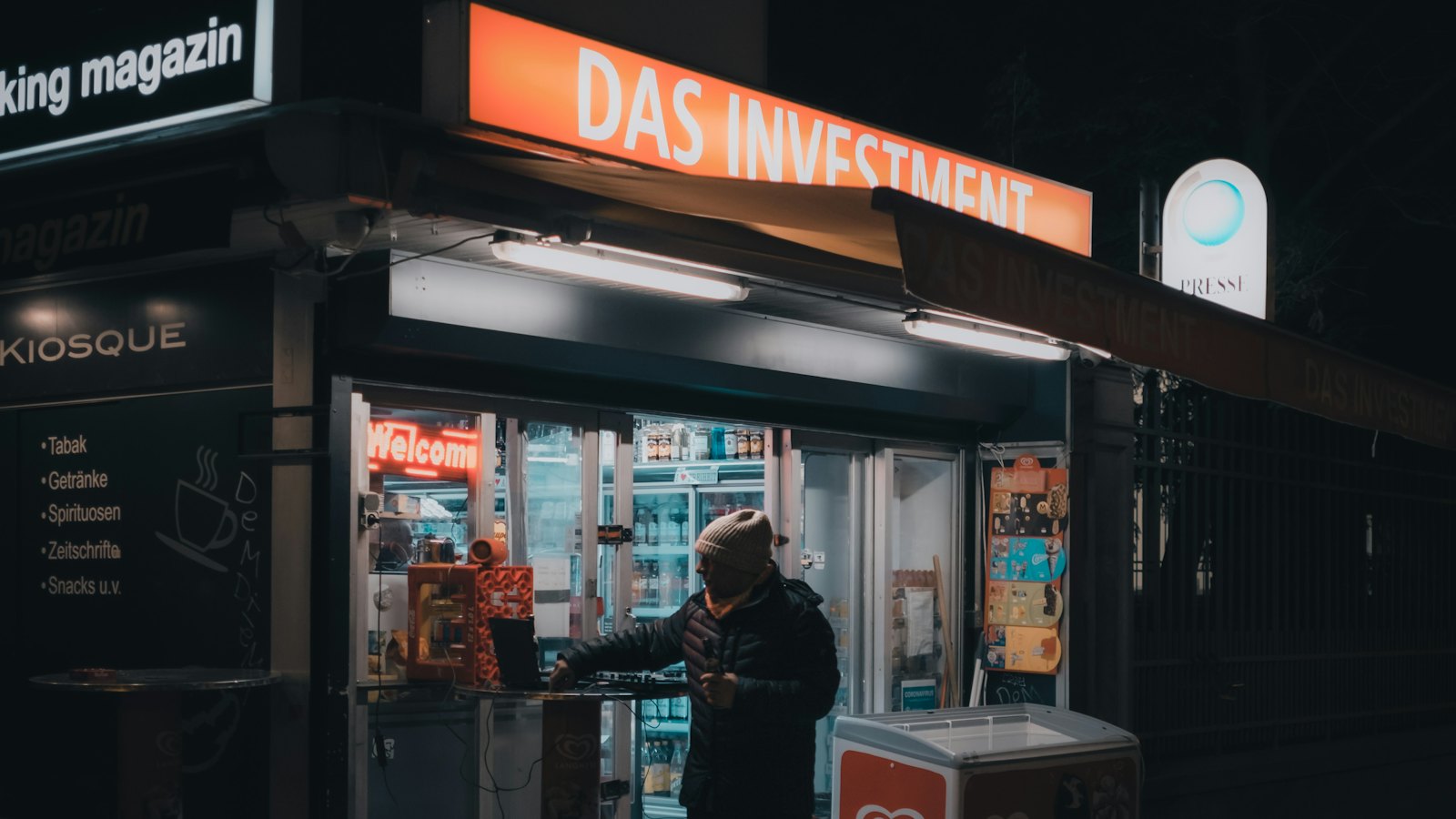
Fake Mobile Money Agents and Cash-Out Scams
Some scams happen at the agent counter: swapped phones, 'helpers' who watch your PIN, and fake agents on the phone. How to cash in and cash out safely.

Fake Mobile Money Customer Care Calls
A caller from 'customer care' says your wallet is blocked, needs upgrading or received a wrong transfer. The scripts fake agents use, and what genuine staff never ask for.

Fake Mobile Money Promotions and Prize Messages
"Congratulations, you have won in our anniversary promotion!" How fake mobile money promotions work, why you never pay or enter your PIN to receive a prize, and how to check real promotions.
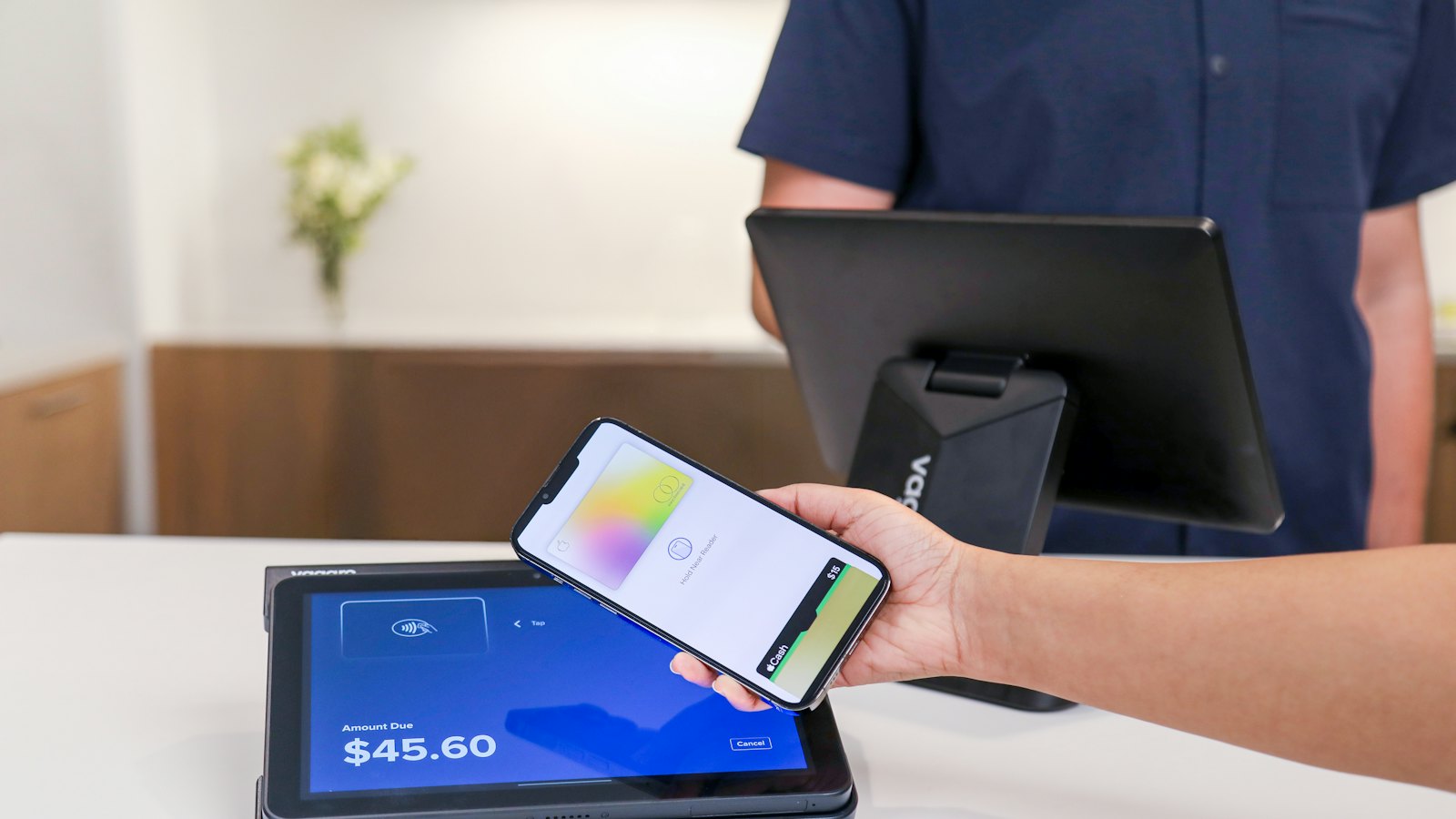
Fake Payment Alerts: How Traders Get Tricked
A customer shows a 'payment successful' screen or you receive an SMS alert, and the goods leave. The money never arrives. How fake alerts are made and how to confirm every payment.

Fake WhatsApp Update Messages
"Your WhatsApp will expire. Update now." How fake update messages spread malware and steal accounts, and how genuine WhatsApp updates actually reach your phone.

Family Code Words for WhatsApp Emergencies
A family code word lets relatives prove it is really them when an urgent message or voice note asks for money. How to choose one, share it and use it without awkwardness.

Float Theft and Insider Fraud at Mobile Money Points
Not all fraud comes from outside. Staff at agent points can misuse float, fake reversals or share customer details. Controls that help owners prevent and detect insider fraud fairly.

Helping Someone Who Lost Money in a WhatsApp Scam
A friend or relative has been scammed on WhatsApp. How to help them contact their bank, secure their account, report it, avoid recovery scams, and cope with the shame and stress.

How Banks Contact You, and How They Never Will
A clear list of what genuine bank contact looks like, and the requests that always mean a scam: PINs, codes, safe accounts, remote access and couriers for your card.
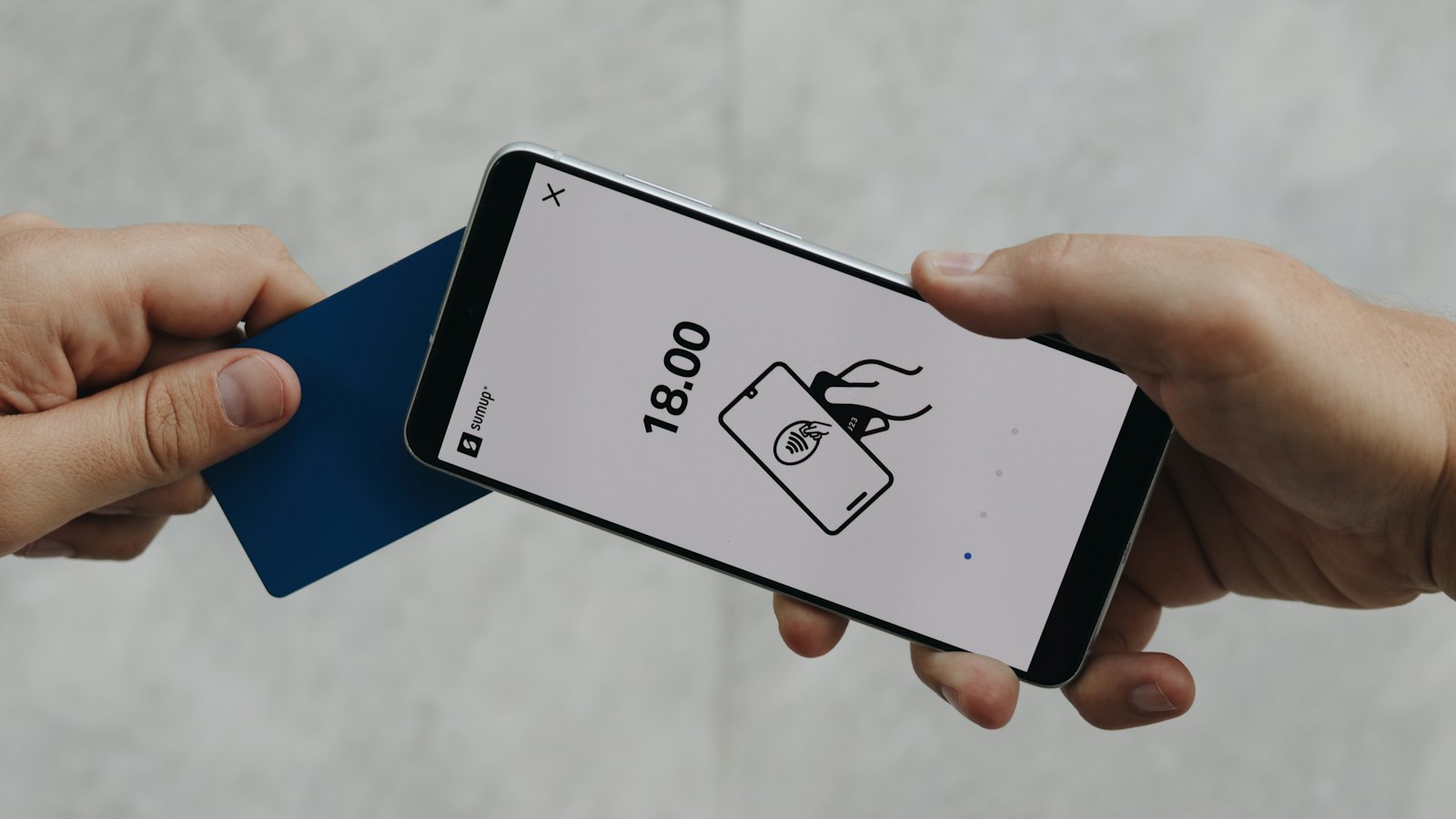
How Mobile Money Approval Prompts Work
A pop-up asks you to enter your PIN to approve a payment. Scammers trigger these prompts and tell you it's to 'receive' money. What a prompt authorises and how to read it.

How to Check a Link Sent on WhatsApp
Long-press to see the real address, read the domain carefully, question the preview, and use a scanner. A quick routine for checking any link someone sends you on WhatsApp.

How to Check Your Mobile Money Balance Safely
Fake 'you have received money' texts only work if you trust the SMS. Why you should always confirm payments through the official app or menu, and how to do it quickly.

How to Choose a Mobile Money PIN Scammers Cannot Guess
Your mobile money PIN is the last lock on your wallet. PINs to avoid, how to change yours, and the rules for keeping it private from callers, agents and even family.

Links in Profile Pictures and Stickers: Myths and Facts
"Don't open the video called X, it will hack your phone." How to separate realistic WhatsApp risks from viral rumours, and the simple habits that cover the real ones.

Malicious Files and APKs Sent on WhatsApp
An APK disguised as a wedding invitation, a 'photo' that is really an app, a fake invoice. How malicious files spread on WhatsApp and how to open files safely.

Missed Calls and Callback Charges
A single ring from an unknown number, then silence. Missed call scams try to get you to call back premium-rate numbers, or simply confirm your number is live. What to do.

Mobile Money Account Upgrade and Verification Scams
"Your wallet must be upgraded or re-verified or it will be closed." How fake upgrade and ID verification scams work, and how genuine re-registration is actually done.

Mobile Money Agent Security Checklist
Running a mobile money agent point? Daily checks, ID rules, cash handling and the common frauds against agents, from fake reversals to impersonated supervisors.

Mobile Money Privacy: What Others Can See About You
When someone sends you money, or you check a number before sending, a registered name appears. How scammers use that information, and how to limit what you reveal.

Mobile Money Safety for Merchants
Shops, stalls and service businesses taking mobile money face fake alerts, reversal tricks and staff fraud. How to confirm payments, protect merchant numbers and set staff rules.

Mobile Money Scams During Holidays and Festive Seasons
Festive seasons bring more transfers, gifts, travel and promotions, and more scams. Common holiday themes and the extra checks that keep your wallet safe at busy times.

Mobile Money Scams That Use Your Family's Names
A caller or message says a relative is in trouble and needs mobile money now, or asks you to send to 'their friend's number'. How family impersonation works and how to check.

Mobile Money Transaction Limits and Why They Protect You
Daily and per-transaction limits cap how much a scammer can take in one go. How mobile money and banking limits work, and how to review them with your provider.

One-Time Passwords: Why You Must Never Share Them
An OTP is a signature for a specific action: a payment, a login, a new device. Why no genuine person ever needs yours, who might ask, and how to read the message before acting.

Payment Requests From "the Boss" on WhatsApp
"Hi, it's the MD. I'm in a meeting, can you handle an urgent payment?" How executive impersonation works on WhatsApp and the verification rule that stops it.

Phishing Links in WhatsApp Messages
Links in WhatsApp chats lead to fake bank pages, fake delivery sites and fake WhatsApp logins. How phishing links are disguised in chats and what to check before you tap.
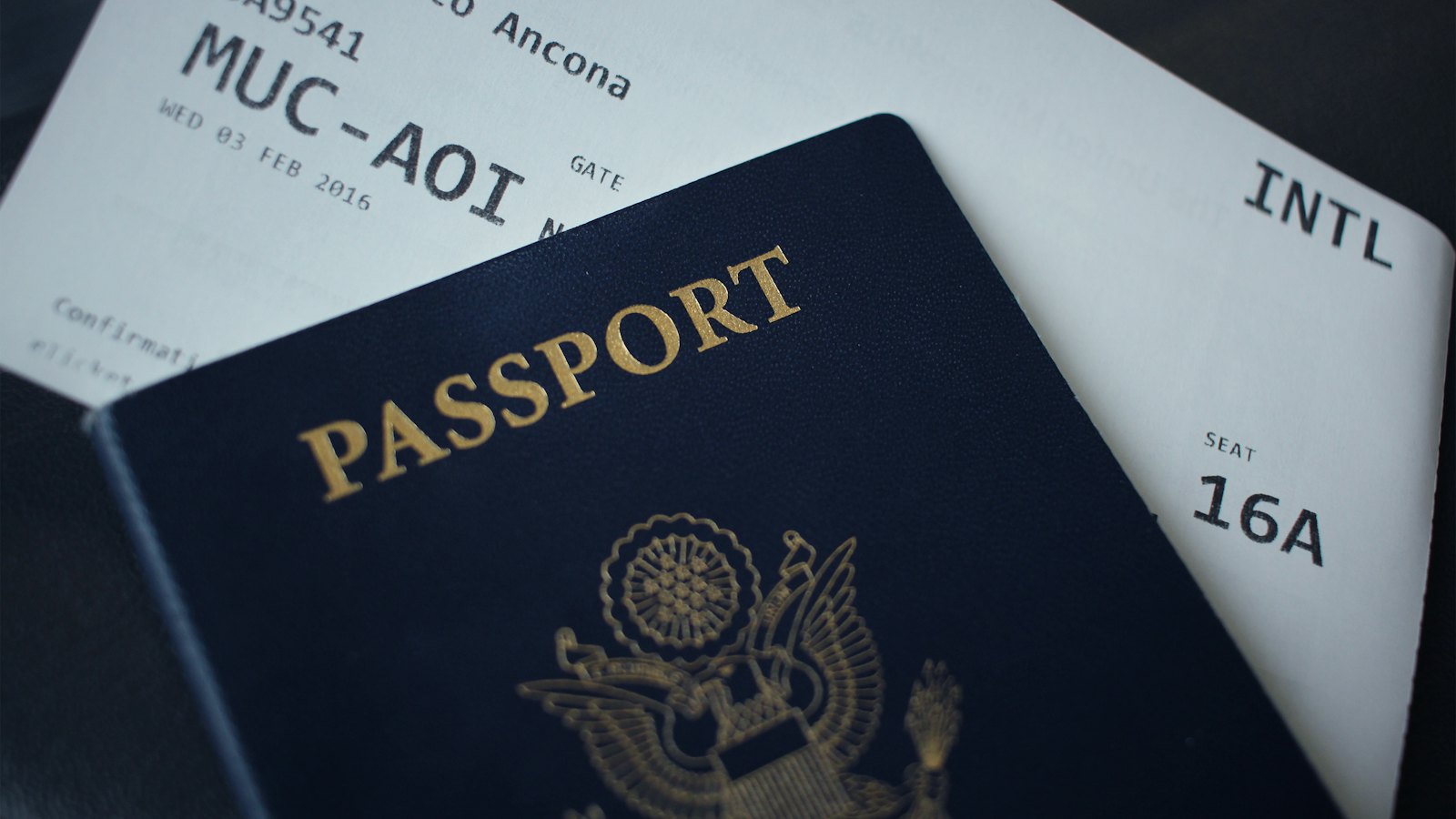
Protecting Your Identity Documents on WhatsApp
Landlords, employers, sellers and 'agents' all ask for ID photos on WhatsApp. When sharing is reasonable, how to watermark a copy, and which requests to refuse.

Protecting Your Mobile Money If Your Phone Is Lost or Stolen
A lost phone can mean a lost wallet. What to do in the first hour: block the SIM, freeze mobile money and banking apps, and get your number back safely.

Record-Keeping That Helps You Recover From Payment Fraud
When fraud happens, good records decide whether your provider, bank or the police can help. What to keep, how to organise it, and how long to keep it.

Recording, Screenshots and What Others Can Capture
Anyone you chat or call with can screenshot, record or forward what you share, whatever the settings. What can be captured, what WhatsApp limits, and how to share carefully.
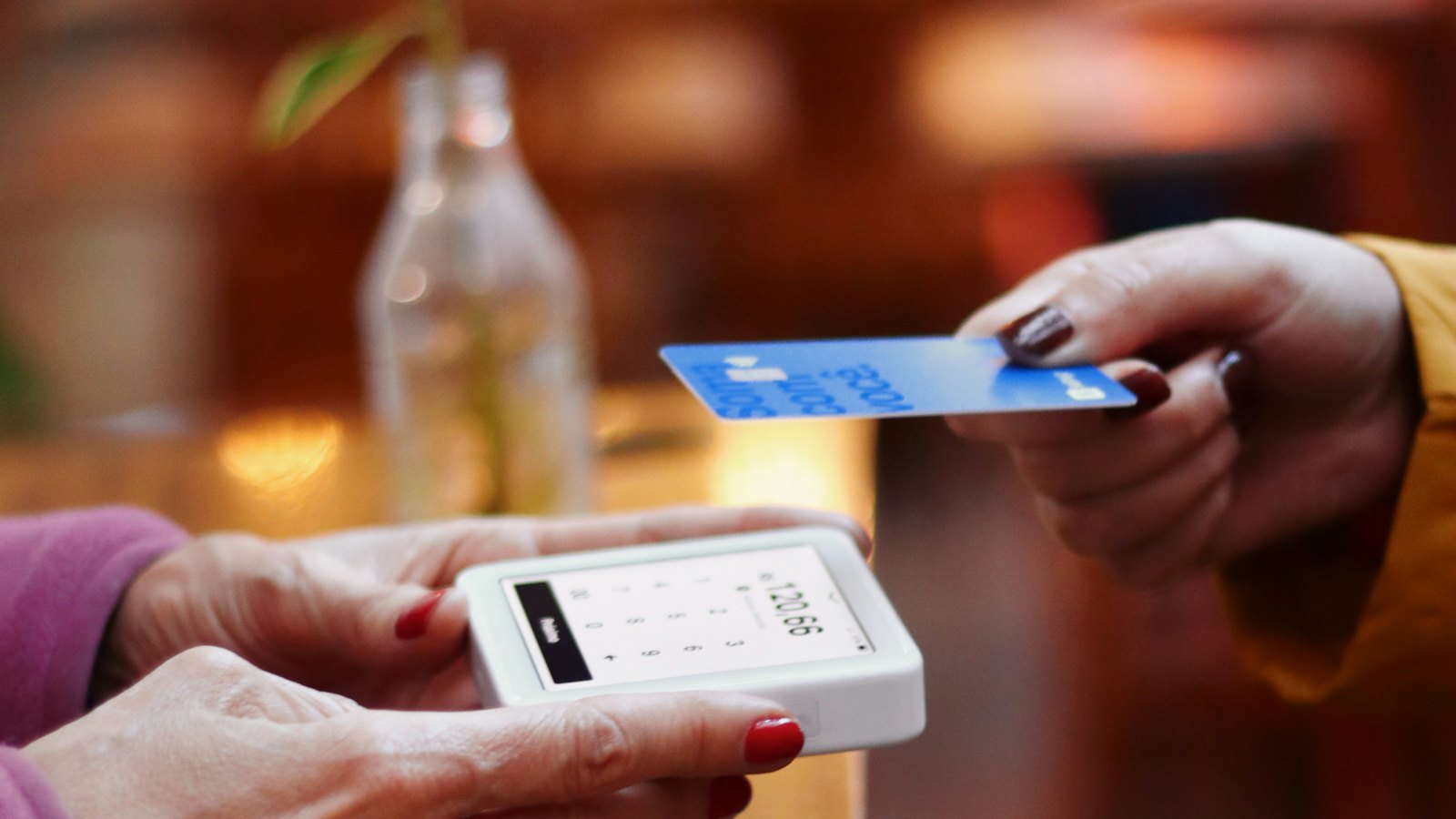
Refund Requests From Customers: When They Are Scams
"Please refund me to this other number." How customers, and people pretending to be customers, trick sellers with overpayments, refund redirects and fake returns.

Reporting a Suspicious WhatsApp Message at Work
Got a strange WhatsApp message about work, a payment or a colleague? What to send your manager or security team, what to include, and what not to do.

Reporting WhatsApp Scams to the Authorities
Report the account in WhatsApp, then to your bank and national reporting service. Where to report WhatsApp scams in the US, UK, Canada, Australia, India, the EU, Ghana and elsewhere.

Scam Calls Pretending to Be Government Agencies on WhatsApp
A 'police officer', 'tax inspector' or 'immigration official' calls on WhatsApp about fines, warrants or visas. Why real agencies don't work this way and how to check.

Scammers Impersonating Your Business on WhatsApp
A fake WhatsApp account uses your logo to take orders, deposits or payments from your customers. How to report it, warn customers and make your real number easy to verify.
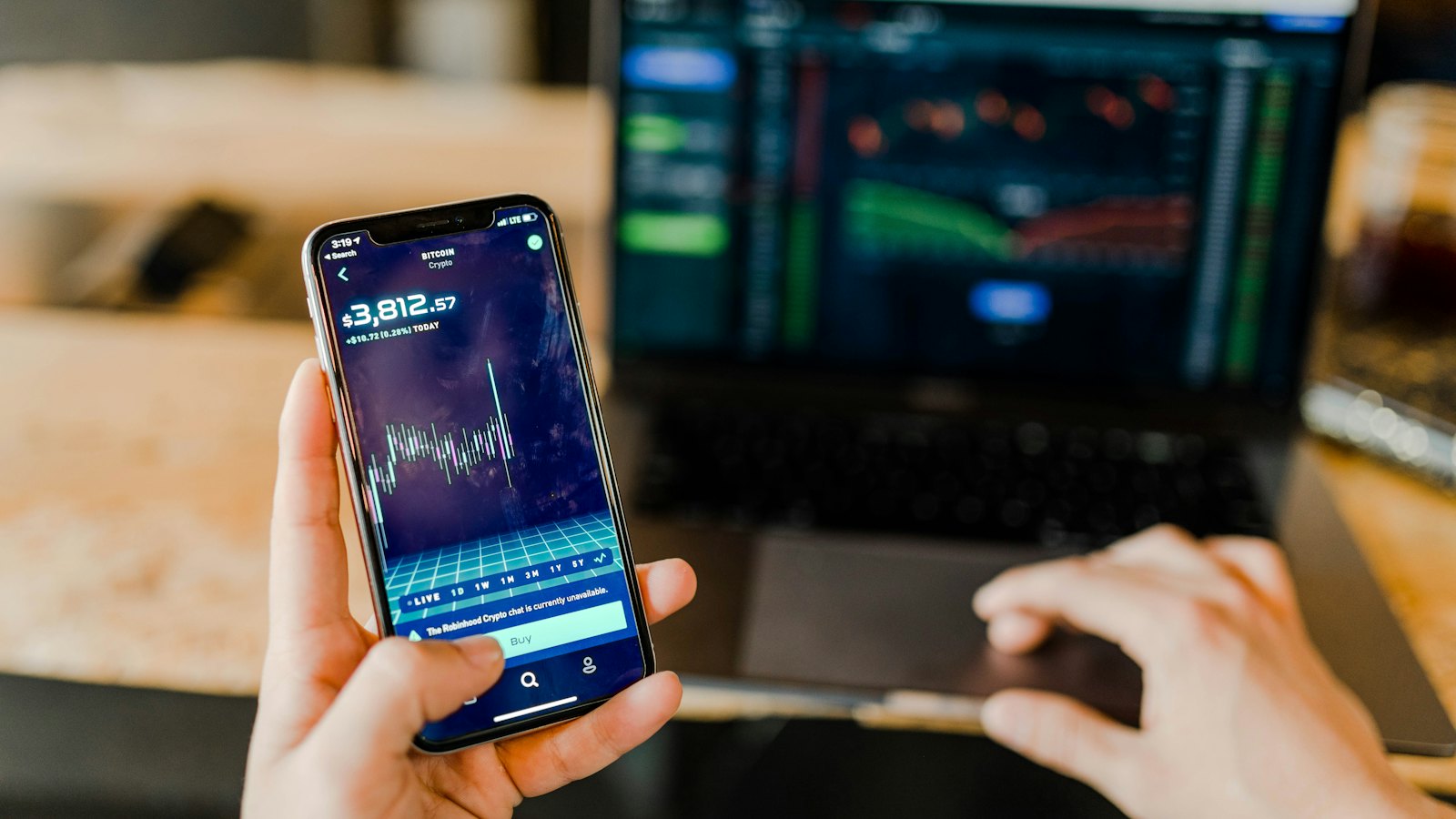
Screen Sharing on WhatsApp Calls: When to Say No
Scammers ask you to share your screen during a WhatsApp video call to 'help' you. They then see your codes, banking and messages. What screen sharing exposes and when to say no.

Sending Money Between Wallets, Apps and Banks Safely
Transfers between wallets, payment apps and banks are fast and hard to reverse. How they work, why the recipient name check matters, and what to do before you press send.
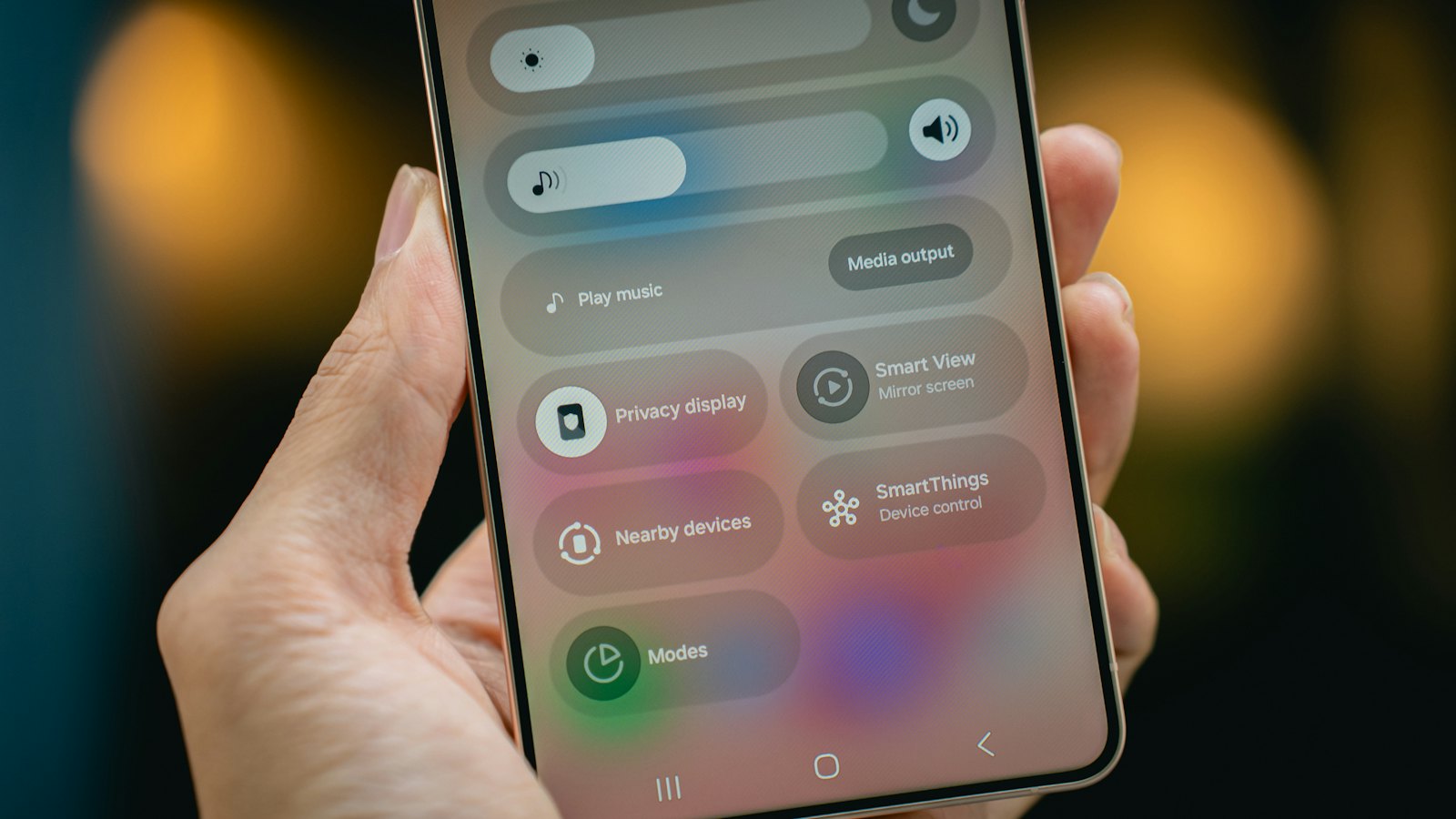
Setting Up Bank Alerts and Limits for Protection
Transaction alerts, transfer limits, device approvals and card controls in your banking app help you spot fraud fast and cap losses. What to switch on and how.

Setting Up WhatsApp for Older Parents
Helping a parent or grandparent with WhatsApp? The settings to switch on together, the contacts to save, and one simple rule that stops most scams aimed at older users.

Staff Training for WhatsApp Scams
A 15-minute briefing and a few realistic scenarios prepare staff for the WhatsApp scams that target businesses: fake bosses, supplier changes, account takeovers and fake customers.

Supplier Bank Detail Changes Sent on WhatsApp
A supplier's WhatsApp says their bank account has changed. It may be a hacked account or an impostor. Apply the same verification rules as email: call a known number first.
Suspicious Documents and Invoices in WhatsApp Chats
Invoices, receipts and 'updated payment instructions' sent as PDFs or images in WhatsApp chats can redirect payments or hide malware. How to check before you pay or open.

Talking to Children About Strangers on WhatsApp
Conversation guides for talking to children and teens about strangers on WhatsApp: who counts as a stranger online, warning signs of grooming, and what to do if someone makes them uncomfortable.

Teaching Family Members to Use Mobile Money Safely
Helping a parent, grandparent or young relative with mobile money? One simple rule, the numbers to save, and a short practice session that protects them from common scams.

The "Safe Account" Scam
"Your account is compromised. Move your money to this safe account now." How the safe account scam unfolds, why no bank ever asks this, and what to do if you moved money.

The Mobile Money Reversal Scam, Step by Step
A fake 'you have received' SMS, then a desperate call asking you to send it back. How the reversal scam works step by step, and how genuine mistaken transfers are reversed.

Training Shop Staff to Spot Payment Fraud
A short routine for cashiers and sales staff: confirm every payment, never reverse or refund without the owner, ignore callers giving instructions, and report quickly.

Unofficial WhatsApp Apps: GB WhatsApp, "Gold" and Mods
Modified WhatsApp apps promise extra features, but they are not checked for security and can get your account banned. What unofficial apps are, the risks, and how to switch back safely.

Using CyberWatch AI Scan on WhatsApp Messages and Screenshots
Copy a WhatsApp message, a link or a screenshot into CyberWatch AI Scan for a free second opinion. Step-by-step on Android and iPhone, and how to read the result.
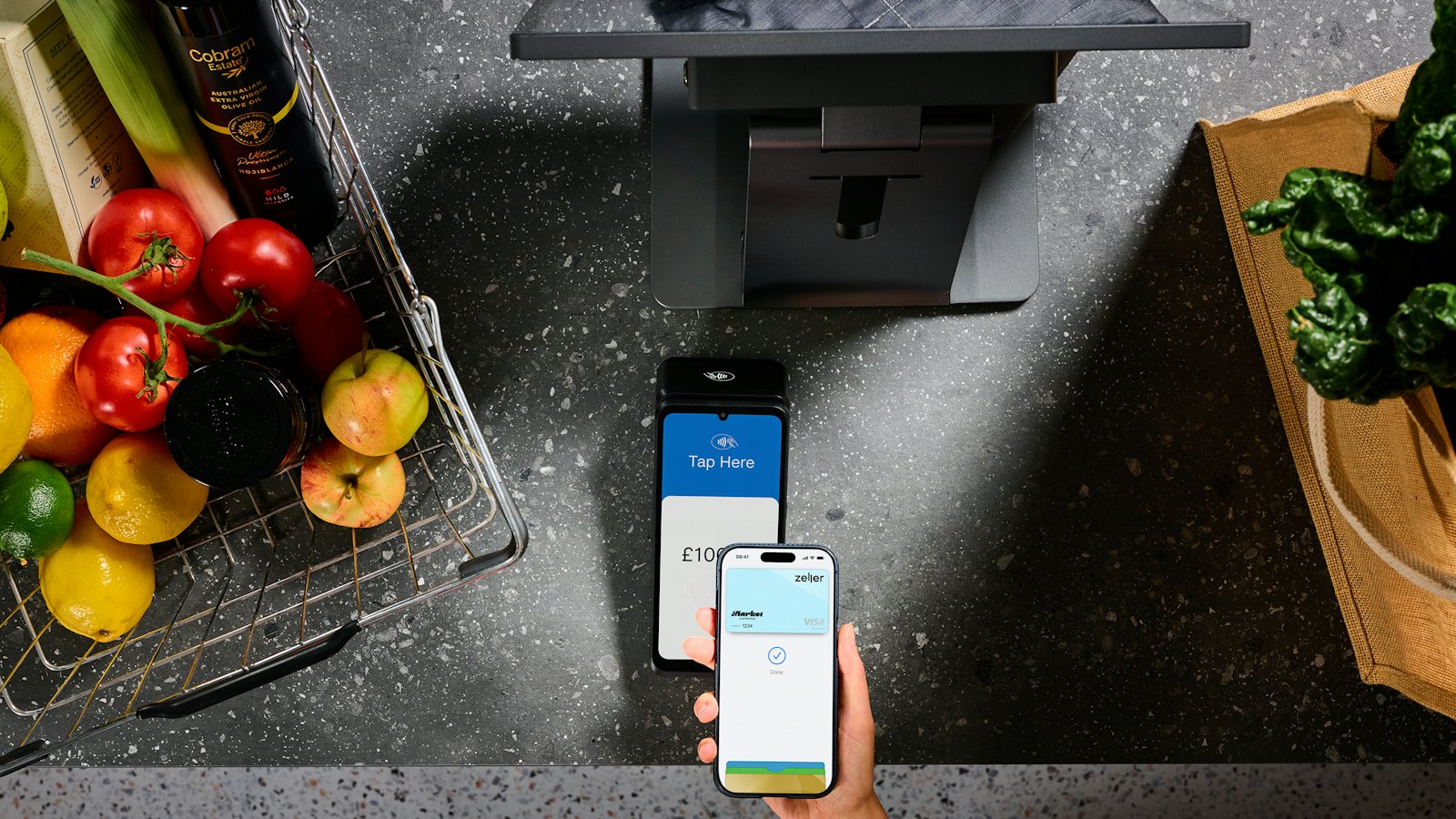
Using Mobile Money Apps Safely
Mobile money and banking apps are safer than many alternatives if you set them up well. Download from official stores, turn on app locks and biometrics, and keep them updated.

Using Personal WhatsApp for Work: Risks and Safer Options
Many teams run on staff members' personal WhatsApp. The risks: customer data on personal phones, lost access when people leave, and account takeovers. Safer options for businesses.

Using WhatsApp Calls Safely With People You Don't Know
Sellers, landlords, recruiters, dates and online friends may want to call you on WhatsApp. How to do it safely: settings, boundaries, and what you never share on a call.

Video Call Blackmail and Sextortion on WhatsApp
A stranger video calls, records you, and threatens to send the video to your contacts unless you pay. What to do: don't pay, preserve evidence, report, and get support.
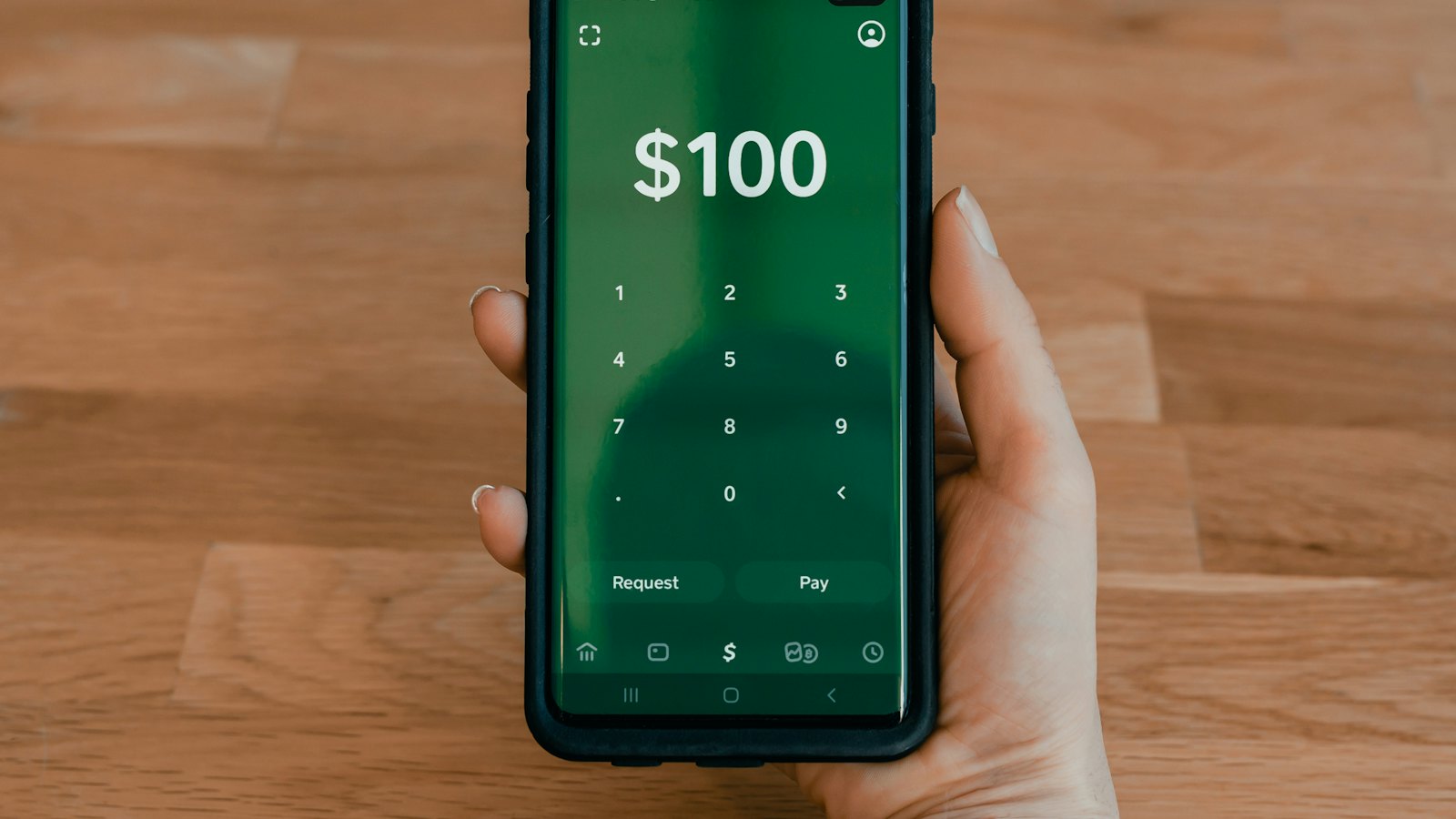
What to Check Before Sending Mobile Money to Anyone
Name confirmation, a reference note and a short pause stop most mobile money scams. A checklist to run before sending money to a seller, relative, agent or stranger.

WhatsApp Age Requirements and Children's Accounts
WhatsApp's minimum age is 13 in most places and higher in some. What the rules say, how parent-managed accounts work where offered, and how to supervise younger users sensibly.

WhatsApp Business: Protecting Your Business Account
Your WhatsApp Business number is a customer channel and a target. How to lock it down with two-step verification, control staff access through linked devices, and keep customers safe.

WhatsApp Chat Backups: Protecting Them From Others
WhatsApp backups sit in your cloud account. Without end-to-end encrypted backup, their safety depends on that account. How to turn on encrypted backup and protect the cloud account.

WhatsApp Harassment and Threats: What to Do
Repeated messages, threats or abuse on WhatsApp can be frightening. How to block and report, keep evidence safely, limit who can contact you, and when to go to the police.

WhatsApp Safety for Teenagers
A practical WhatsApp safety guide for teenagers and their parents: privacy settings, big group chats, strangers, pressure to share images, and where to get help.

WhatsApp Scam Myths That Put People at Risk
"It's encrypted so it's safe." "It came from my friend's number." "Sharing a code is harmless." Common WhatsApp myths that scammers rely on, and the facts.

WhatsApp Web and QR Code Hijacking
Scanning a WhatsApp Web QR code links a computer to your account. Scammers trick people into scanning their code to read chats. How QR hijacking works and how to stop it.

When an Employee's WhatsApp Is Hacked
A staff member's WhatsApp is taken over and starts messaging colleagues and clients. A step-by-step response: recover the account, warn people, check payments and prevent repeats.

Workplace WhatsApp Groups: Rules That Prevent Fraud
Work WhatsApp groups are fast and informal, which is exactly why fraudsters like them. Simple rules on payments, approvals, sensitive data and reporting that protect teams.

"Assistants" and "Teachers" in Investment Chats
In WhatsApp investment scams, a friendly 'assistant' or 'teacher' guides you step by step into a fake platform. How the coaching role works and why their help is the trap.

"My Phone Broke, This Is My New Number" on WhatsApp
A message from an unknown number claims to be your child, parent or sibling with a new phone, then asks for money. How the script works and polite ways to check.

A Friend's Hacked WhatsApp Asking for Money
A message from a friend's real WhatsApp asks for an urgent loan. Their account may be hacked. How to check with a quick call, what to say, and how to help your friend recover.

After Recovering Your WhatsApp: The Security Checklist
You have your WhatsApp back. Now make sure the scammer cannot return: two-step verification, linked devices, backups, groups, contacts and what to check over the next few weeks.

Building a Phishing Defence in Layers
No single tool stops all phishing. How to combine email security, strong sign-in, payment checks and a reporting culture so one miss does not become a breach.

Buying and Selling on WhatsApp Safely
WhatsApp is a busy marketplace, with no buyer protection. How to check a seller, pay in ways you can dispute, arrange safe handovers, and protect yourself when you are the seller.

Celebrity and Influencer Impersonation on WhatsApp
A 'celebrity' or their 'manager' messages you on WhatsApp about a giveaway, meet-and-greet or investment. How celebrity impersonation scams work and why the real ones won't message you.

Charity and Emergency Appeals Shared on WhatsApp
Medical bills, funerals, disasters and sick children: emergency appeals spread fast on WhatsApp, and some are fake. How to check an appeal and give safely.

Checking Your Email for Hidden Forwarding Rules
After a phishing attack, criminals often add rules that forward, hide or delete your email. How to find malicious forwarding and filter rules and remove them.

Collecting Group Money Safely: Contributions, Dues and Gifts
Club dues, gift collections, funeral contributions and savings groups run on WhatsApp are easy targets. Simple treasurer rules, confirmation habits and records that stop fraud.

Contacting WhatsApp Support Safely
The only safe ways to reach WhatsApp support are inside the app and on its official website. How to use them, what real support looks like, and the fake helpers to avoid.

Deposits for Rentals, Cars and Services on WhatsApp
"Send a small deposit to hold it for you." Deposit scams on WhatsApp target people renting homes, buying cars or pets, and booking services. How to check the item exists first.

Disappearing Messages and View Once: What They Do and Don't Protect
Disappearing messages and view once reduce what stays on phones, but they cannot stop someone photographing the screen. What each feature protects and when not to rely on it.

Entered Your Password on a Phishing Page: Next Steps
Typed your password into a fake login page? Act in the next few minutes: change the password, sign out other sessions, check recovery details and forwarding rules. A step-by-step guide.

Exposed Phone Numbers in Large Groups
In a WhatsApp group, every member can see your phone number. In large groups that means strangers, and sometimes scammers harvesting numbers. How to limit the exposure.

Fake Bank and Payment Company Accounts on WhatsApp
Scammers set up WhatsApp accounts with bank logos to 'help' you, 'verify' your account or 'reverse' a transaction. How to spot fake bank accounts and check safely.

Fake Business Accounts and Verified Badges
Anyone can create a WhatsApp Business profile with a copied logo. What verified badges mean, what they don't, and how to confirm a business is real before you pay.

Fake Delivery Messages on WhatsApp
A 'courier' messages on WhatsApp about a parcel that needs a fee, an address update or a code. How delivery scams work in chat and how to check your parcel safely.

Fake Giveaways, Vouchers and Free Data Offers
"Get free data for 90 days" or "Claim your supermarket voucher." How WhatsApp giveaway scams collect your details, spread through forwarding chains, and sometimes steal accounts.

Fake Online Shops Run Through WhatsApp
A professional catalogue, glowing reviews and bargain prices, but the goods never arrive. How fake shops use WhatsApp Business and social ads, and how to check before paying.
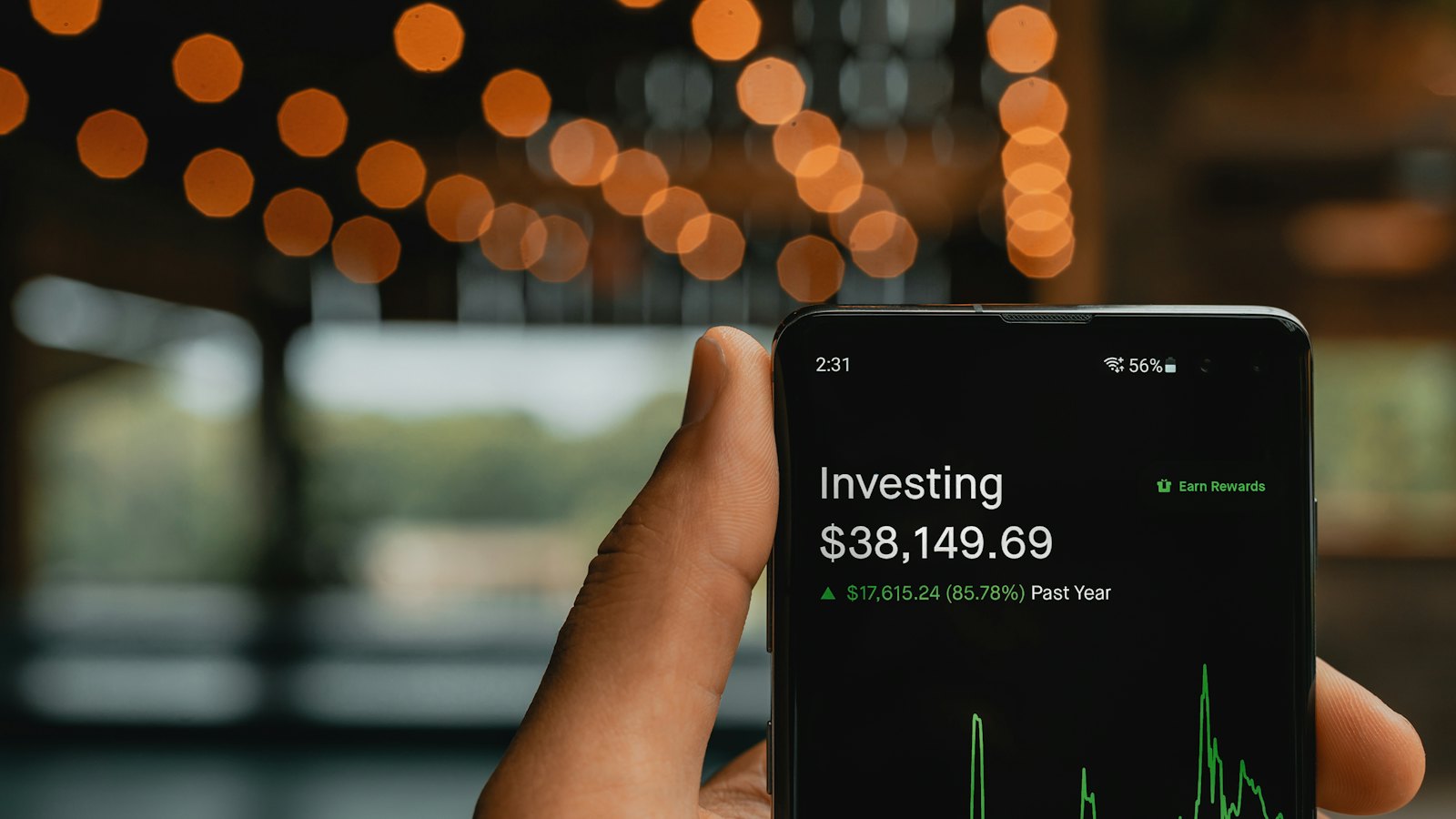
Fake Profit Screenshots and Testimonials
Screenshots of big withdrawals, bank alerts and thank-you messages fill investment groups. How they are faked, why they work, and what real evidence of a legitimate investment looks like.

Fake WhatsApp Support Messages
Messages claiming to be from 'WhatsApp Security' warn your account will be closed unless you verify. What official WhatsApp messages look like and how to spot the fakes.

Helping a Family Member Who Fell for Phishing
A parent, partner or friend clicked a phishing link or gave away details. How to help them secure accounts, contact the bank, report it and recover their confidence, step by step.

How to Block and Report Someone on WhatsApp
Blocking stops someone contacting you; reporting helps WhatsApp act against scam accounts. How to do both, what reporting sends to WhatsApp, and what the other person notices.

How to Check and Remove WhatsApp Linked Devices
A linked computer or browser can read your WhatsApp chats without your phone in hand. How to see every linked device, log out ones you don't recognise, and keep it that way.

How to Keep a WhatsApp Group Safe as an Admin
Admin-only settings, member approval, invite link control and simple rules about money: how WhatsApp group admins keep scammers and hacked accounts from hurting members.
How to Silence Unknown Callers on WhatsApp
Stop spam and scam calls from unknown numbers ringing your phone on WhatsApp. How to turn on Silence unknown callers, and what still reaches you afterwards.

How to Stop Strangers Adding You to WhatsApp Groups
Added to a random investment or job group? Change one WhatsApp privacy setting so only your contacts can add you, and learn what happens when someone else tries.
How to Turn On WhatsApp Two-Step Verification
Two-step verification adds a PIN that stops someone taking over your WhatsApp even if they get your six-digit code. Step-by-step setup on Android and iPhone, plus adding a recovery email.
How to Warn Your Contacts When Your WhatsApp Is Stolen
While a scammer controls your WhatsApp, they message your contacts for money and codes. A short warning template and the other channels to use to reach people fast.

Impersonated Landlords and Property Agents
A 'landlord' on WhatsApp wants a deposit before you can view the property, or your real landlord suddenly has new bank details. How to verify ownership and pay rent safely.

Impersonated Teachers, Schools and Coaches
Scammers pose as teachers, school offices or sports coaches in parent groups, asking for fees, trip money or uniform payments. How to verify before paying anything.

Is WhatsApp Encryption Enough to Keep You Safe?
End-to-end encryption keeps outsiders from reading your messages in transit. It does nothing to stop a scammer who is in the chat with you. What encryption does and why scams still work.

Leaving and Reporting a Scam Group
Added to an investment, job or giveaway scam group? How to report it, leave without engaging, and stop being added again.

Loan Offers on WhatsApp
"Instant loan, no credit check, just pay the processing fee." How WhatsApp loan scams work, why legitimate lenders don't charge upfront fees, and how to check a lender.

Locked Out by a Two-Step Verification PIN You Didn't Set
After a WhatsApp takeover, scammers often set their own two-step PIN to lock you out. Why they do it, what re-registering still achieves, and how to regain full access.

Misinformation and Forwarded Messages on WhatsApp
What the 'Forwarded' and 'Forwarded many times' labels mean, why chain messages spread scams and false warnings, and a quick routine for checking claims before you share.

Online Friends Who Introduce an Investment Platform
A friendship or romance that started online turns to talk of trading, crypto or a special platform. How to recognise the pivot from friendship to money, and what to do.

Overpayment and Refund Tricks in WhatsApp Sales
A buyer 'accidentally' overpays and asks for the difference back. The original payment was fake or reversed. How overpayment and refund tricks target sellers on WhatsApp.

Passkeys: The Sign-In Method Phishing Can't Steal
Passkeys are tied to the real website, so a fake login page has nothing to steal. How passkeys defeat phishing, where they still fall short, and how to start using them.

Password Managers as a Phishing Alarm
A password manager only autofills on the website it saved the password for. When it stays silent on a login page, that hesitation is a warning. How to use it as a phishing alarm.

Payment Requests in WhatsApp Chats: How to Verify
Friends, family, sellers, landlords and bosses all ask for money on WhatsApp, and so do scammers pretending to be them. A short checklist to run before any payment.

Phish Report Buttons: Why They Matter
Deleting a phishing email protects one inbox. Reporting it can protect everyone. How report buttons work, what happens after you press one, and how to make reporting a habit.

Phishing Awareness for Small Teams Without IT Staff
No IT department? A simple phishing routine for small businesses, charities and clubs: key settings, a payment rule, a reporting habit and a one-page checklist.

Phishing Simulations: Measuring How People Respond
A phishing simulation sends safe practice phishing emails to see how people respond. How they work, what to measure beyond click rates, and how to run them fairly.

Polls, Votes and "Help My Child Win" Scams
A friend asks you to vote for a child in a competition. The 'voting' page asks for your number and a code, and your WhatsApp is stolen. How the voting scam works.

Pyramid Recruitment Through WhatsApp Status and Groups
"Join with a small fee, add two people, and earn from everyone below you." How pyramid and chain schemes spread through WhatsApp status and groups, and why most people lose.

Received a WhatsApp Code You Didn't Request
A WhatsApp registration code you didn't request usually means someone is trying to register your number. What to do, what not to do, and how to make sure they can't succeed.

Recruiters Asking for Documents on WhatsApp
"Send your passport, ID and bank details to complete onboarding." How fake recruiters collect documents on WhatsApp, and when and how to share documents safely.

Reporting Phishing That Impersonates Your Organization
Criminals are sending emails or running fake sites in your organization's name. How to get the sites taken down, warn customers, lock down your email domain and keep records.

Reporting Phishing Websites So They Get Taken Down
Found a fake login page or scam shop? How to report it to browser blocklists, the hosting company and the domain registrar, and what happens after you report.
Scam Calls on WhatsApp From International Numbers
Missed WhatsApp calls and messages from unfamiliar country codes are common. Why scammers use them, what they want, and how to silence and report them.

Scams in Family, School and Community Groups
Fake collections, impersonated leaders and 'too good to miss' links spread fast in trusted WhatsApp groups. The common patterns and how members and admins can stop them.

Security Keys for People Who Need the Strongest Protection
A physical security key is a small device that proves it is you and refuses to work on fake sites. Who benefits most, how to set one up and how to avoid getting locked out.

Status Scams: Links and Offers in WhatsApp Status
A friend's WhatsApp status suddenly promotes an investment, a cheap sale or a giveaway. It is often a hacked account or a friend being used. How to spot status scams.

Telegram Hand-Offs: When WhatsApp Chats Move to Telegram
Job, task and investment scams often start on WhatsApp and quickly move you to Telegram or another app. Why scammers switch platforms and why it is a warning sign.

Testing Yourself: Phishing Quiz With Explained Answers
Six illustrative messages: some phishing, some genuine. Decide for each one, then read the explanation. A quick way to practise spotting phishing emails and texts.

The WhatsApp Verification Code Scam, Explained
"I sent you a code by mistake, can you send it back?" How scammers use your six-digit WhatsApp registration code to steal your account, and the one rule that stops it.

Ticket and Event Scams on WhatsApp
Sold-out concert or match? Resale tickets offered on WhatsApp are a common scam: fake tickets, duplicate tickets or nothing at all. How to buy event tickets safely.

Voicemail Hacking and WhatsApp Voice Call Verification
Scammers can ask WhatsApp to read your registration code by voice call, then break into your voicemail to hear it. How the voicemail hack works and how to lock your voicemail.

What Scammers Do With a Stolen WhatsApp Account
A stolen WhatsApp account is used to ask your contacts for money, steal their accounts, spam groups and sometimes blackmail you. What scammers do and how to limit the damage.

WhatsApp and SIM Swap: When Your Number Is Taken
If criminals move your phone number to their SIM, they can receive your WhatsApp code and take your account. Warning signs of a SIM swap and what to do in the first hour.

WhatsApp Channels: Fake Channels and Misleading Updates
WhatsApp Channels let anyone broadcast updates, including scammers posing as brands, celebrities and news outlets. How to spot fake channels and handle links in updates.

WhatsApp Communities: Settings and Risks
WhatsApp Communities bring several groups under one umbrella with an announcement channel. How they work, who can see your number, and the admin settings that keep them safe.

WhatsApp Hacked? Step-by-Step Account Recovery
Logged out of WhatsApp, or friends getting strange messages from you? Re-register your number, deal with a PIN you didn't set, warn contacts and lock the account down.
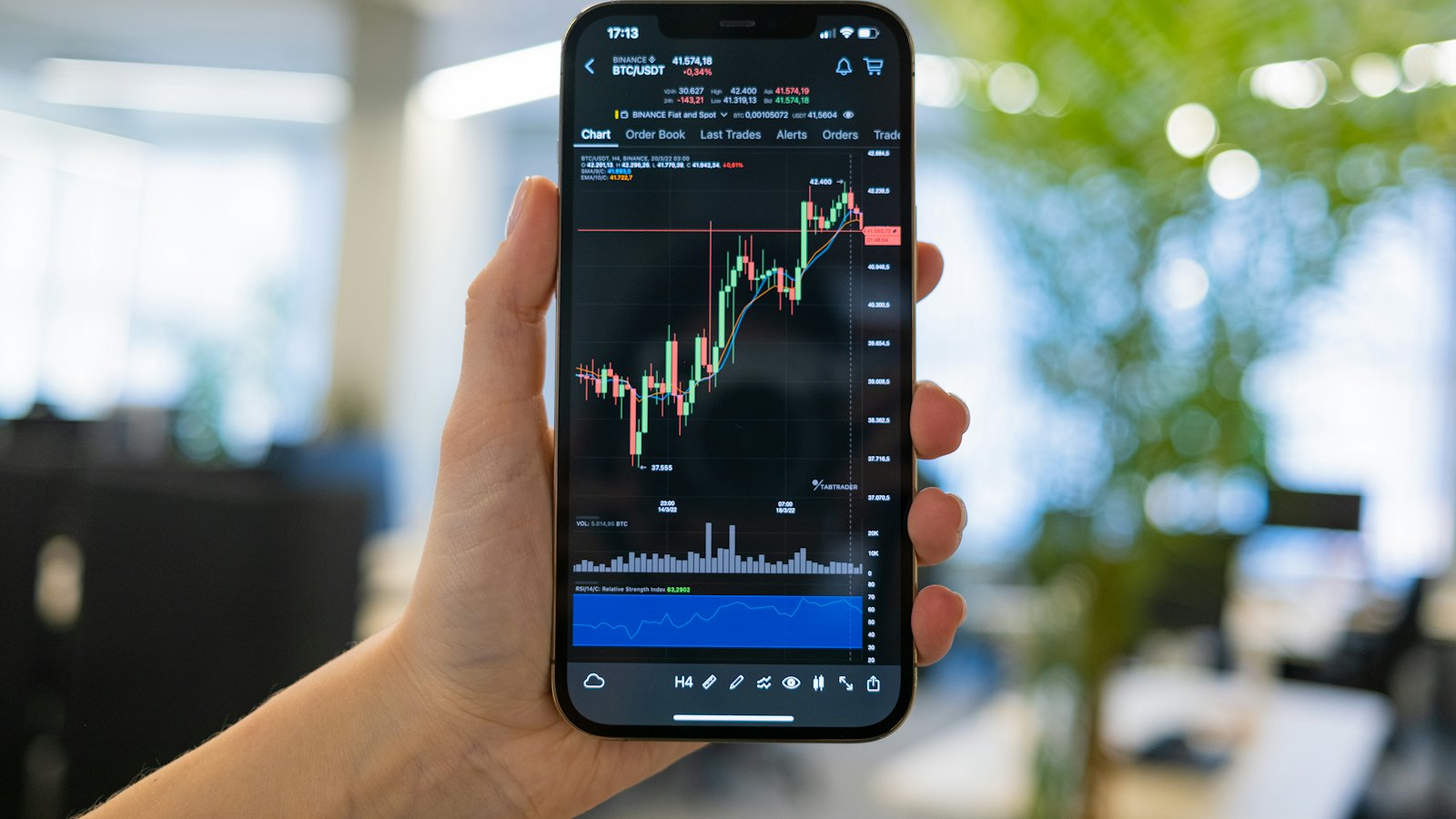
WhatsApp Investment Groups and Trading Signals
Groups promising stock tips, forex signals or crypto profits are full of fake members and fake screenshots. How WhatsApp investment group scams work and how to check an adviser.

WhatsApp Job Offer Scams
"Hello, I'm a recruiter. Earn 300 a day working from home." How WhatsApp job scams start, the scripts they follow, and how to check a job offer is real.

WhatsApp Privacy Settings: A Complete Walkthrough
Profile photo, About, last seen, read receipts, status and groups: what each WhatsApp privacy setting shows, who can see it, and the choices that make you harder to target.

WhatsApp Security Checkup: Ten Minutes to a Safer Account
A quick routine that covers every WhatsApp setting that matters: two-step verification, linked devices, privacy, groups, calls, backups and your phone itself.

WhatsApp Task Scams: Likes, Reviews and Hotel Ratings
Get paid to like videos, rate hotels or review products. It starts with small real payouts, then you must deposit money to unlock bigger earnings. How task scams escalate.

Where to Report Phishing Emails in Different Countries
Where to forward phishing emails and texts, and who to tell if you lost money, in the US, UK, Canada, Australia, India, the EU, Ghana and anywhere else. What each service does with your report.

Who Can See Your WhatsApp Profile Photo, and Why It Matters
Scammers copy WhatsApp profile photos to impersonate people to their family and friends. Who can see your photo by default, how to limit it, and what to use instead.

Why Reporting Quickly Matters More Than Never Clicking
Nobody spots every phishing message. What limits the damage is how fast someone speaks up. Why quick reporting protects you and your colleagues, and how to make it easy.

Why Some Two-Step Verification Can Be Phished
Text codes, app codes and push approvals can all be phished by pages that relay them in real time. How these attacks work and which methods resist them.

Wrong-Number Messages That Become Friendships
"Hi Linda, are we still meeting for golf?" A wrong-number message leads to a friendly chat that slowly turns to romance or investment. How the slow build works.

"Enable Content": The Macro Warning You Should Never Ignore
A document says "Enable content to view". That yellow bar is one of the most important warnings on your computer. How malicious macros work and why you should refuse.

"Your Mailbox Is Full" and Other IT Phishing Emails
Mailbox full, password expiring, account deactivation and security update emails are among the most common phishing lures. How they work and how real IT departments communicate.

AI-Written Phishing: What Has Changed
AI lets attackers write fluent, personalised phishing in any language. What has changed, what has not, and the checks that still catch AI-written phishing.

Apple ID Phishing
Fake Apple receipts, "your Apple ID is locked" messages and iCloud storage warnings target Apple users. How to spot Apple-themed phishing and check your account safely.

Automated Robocall Phishing
"Press 1 to speak to an agent about your account." How automated robocall phishing works, why pressing keys is risky, and how to block and report robocalls.

Bank Security Alert Texts
Fake bank alerts about blocked cards, new payees or suspicious payments lead to fake login pages or scam calls. How bank alert text scams work and how to check safely.

Blocking and Filtering Spam Texts
How to cut down scam and spam texts on iPhone and Android: filter unknown senders, block numbers, turn on spam protection, use carrier tools and report what gets through.

Browser Protections Against Phishing
Modern browsers warn you about known phishing sites and dangerous downloads. How those warnings work, which settings to keep on, and what to do when you see a red warning page.

Calendar Invite Phishing
Phishing can arrive as a calendar invite that appears in your calendar even if you ignore the email. How calendar phishing works and settings that reduce it.

Callback Phishing: The Fake Invoice With a Phone Number
Callback phishing emails contain no links, just a fake invoice and a phone number to cancel. How the call leads to remote access, refunds scams or malware, and how to avoid it.

Caller ID Spoofing: When the Number Looks Real
Scammers can make any number or name appear on your caller ID, including your bank's. How caller ID spoofing works, why it succeeds, and why calling back is the answer.

Clone Phishing: When a Real Email Is Copied
Clone phishing copies a real email you received before, swaps the link or attachment for a malicious one, and resends it. How it works and how to spot a cloned message.

Cloud Storage Links in Phishing Emails
Phishers host fake documents and sign-in pages on real cloud storage and form services, so links start with trusted domains. How this works and how to judge a shared link.
Consent Phishing: Malicious App Permission Requests
Consent phishing asks you to approve an app that then reads your email and files, without ever stealing your password. How it works and how to spot and revoke malicious app permissions.

Courier Brand Phishing Emails
Emails pretending to be from courier and postal companies about missed deliveries, customs fees and address problems. How courier phishing works and how to track parcels safely.

Crypto Exchange and Wallet Phishing
Crypto phishing uses fake exchange alerts, fake airdrops and wallet drainer sites that empty wallets in seconds. How it works and how to protect exchange accounts and wallets.

Dangerous Email Attachments: What to Watch For
Which email attachments are risky, how double extensions and disguised files trick people, and simple rules for opening attachments safely at home and at work.

Does HTTPS Mean a Website Is Safe?
The padlock and HTTPS mean your connection is encrypted, not that the website is honest. What HTTPS really protects, why phishing sites use it, and what to check instead.

Fake Fraud Department Calls
A caller from your bank's "fraud department" says your account is under attack. How fake fraud team calls work, the scripts they use, and what your real bank will never ask.

Fake Login Pages: How They Copy the Real Thing
Phishing login pages can look pixel-perfect and even relay your two-step code in real time. How fake sign-in pages work and the signs that reveal them.

Fake Security Warnings in Email
Emails warning of viruses, hacked accounts or expiring antivirus push you to download "fixes" or call fake support. How fake security emails work and how to check real alerts.

Fake Voicemail and Fax Notification Emails
"You have a new voicemail" emails with a play button or attachment often lead to fake sign-in pages. How voicemail and fax phishing works and how to check a real message.

Google Account Phishing
Fake Google security alerts and sign-in pages target Gmail and Google Workspace accounts. How to spot them, and how to check your account's real security status.
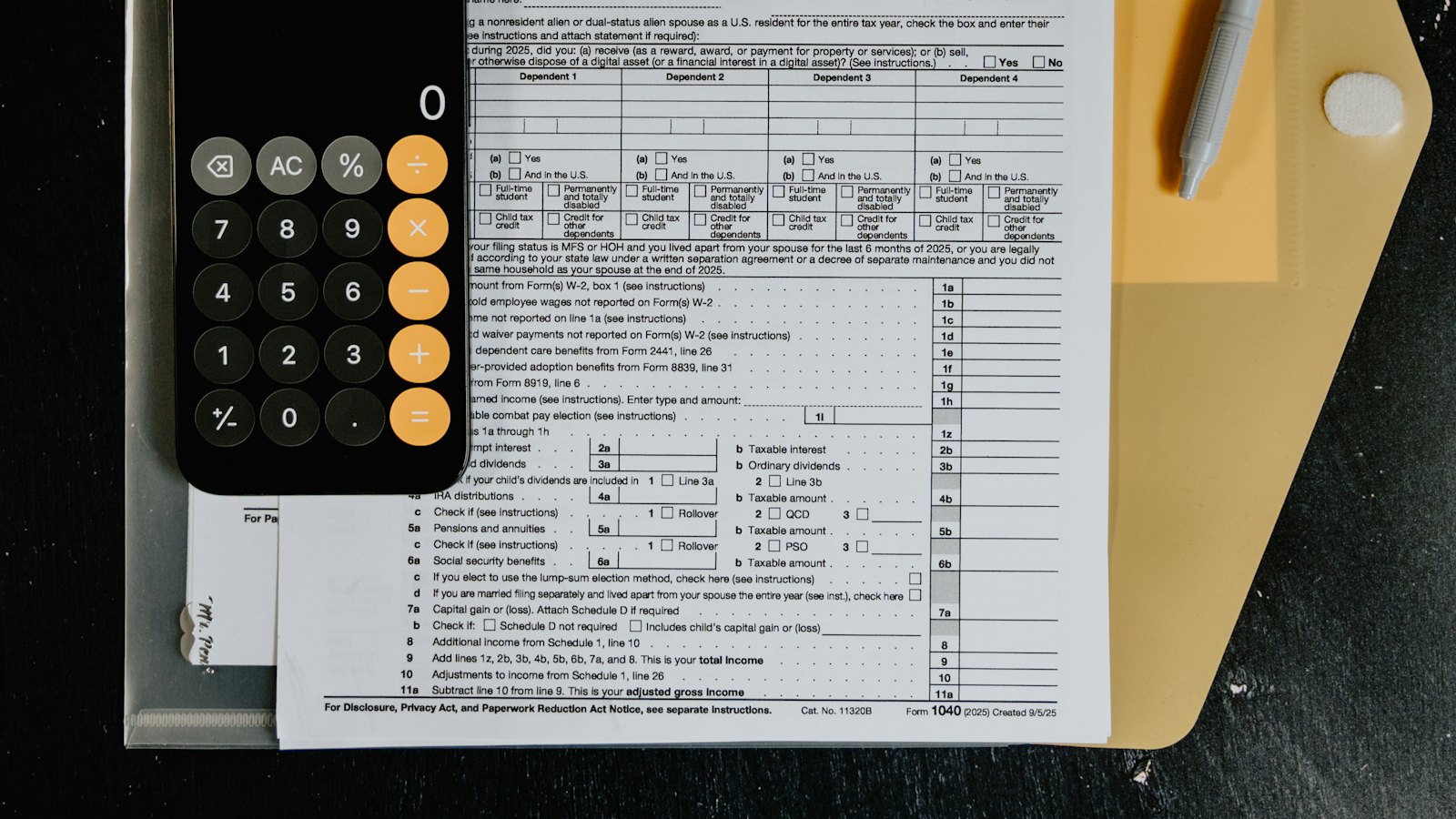
Government and Tax Agency Phishing
Phishing that imitates tax agencies and government departments uses refunds, penalties, benefits and official notices. How to spot it and how to deal with government matters safely.

Group Text and RCS Message Scams
Scammers add you to group texts and chat-style messages with strangers, promoting investments, jobs or fake prizes. How these scams work and how to leave and report safely.

Helpdesk Phishing: Attackers Calling Your IT Team
Attackers call IT helpdesks pretending to be employees who need a password reset or new two-step device. How helpdesk social engineering works and the verification that stops it.
How Attackers Research Their Targets
Targeted phishing starts with research. The public sources attackers use, from professional profiles to company websites and leaked data, and what individuals and organizations can reduce.

How Email Authentication (SPF, DKIM, DMARC) Stops Spoofing
SPF, DKIM and DMARC let receiving mail servers spot emails that fake your domain. A plain-English guide to what each one does, what they cannot stop, and where to start.
How to Check an Email Sender's Real Address
The name you see is not always who sent the email. How to reveal the real sender address and reply-to address in common email apps, and how to spot lookalike domains.

How to Read a URL Like a Security Analyst
Security analysts read web addresses in a particular order to find who really owns a link. How to break down any URL into its parts and spot the tricks phishers use.

How to Report Scam Texts in Your Country
Reporting scam texts helps networks block numbers and warn others. How to report scam texts in the UK, US, Canada, Australia, India and elsewhere, and using your phone's report options.

HR and Payroll Phishing
Salary reviews, payslips, bonuses, policy updates and benefits enrolment are powerful phishing lures. How HR and payroll phishing works and how to check HR messages safely.
HTML Attachments That Open Fake Sign-In Pages
An email attachment ending in .html or .htm can open a convincing fake sign-in page on your own computer. How HTML attachment phishing works and why you should not open them.

Invoice and Payment Phishing Emails
Fake invoices, failed payment notices and remittance advice emails trick people into opening malware or sending money. How invoice phishing works and the checks that stop it.

Lookalike Domains: The One-Letter Trick
Phishers register domains that look almost identical to real ones: a swapped letter, an extra word, or a different ending. How to spot lookalike domains in emails and links.

Microsoft 365 Phishing Emails
Fake Microsoft sign-in pages are among the most common phishing traps at work. The lures used, how to recognise the real Microsoft sign-in, and how to protect a work account.

Mobile Network and Data Bundle Text Scams
Texts claiming to be from your mobile network offer free data, loyalty points or warn your SIM will be blocked. How network text scams work and how to check with your provider.

Online Marketplace and Shopping Account Phishing
Fake order confirmations, refund notices and account suspension emails from big shopping brands lead to stolen logins and cards. How to spot them and check orders safely.

Opening an Attachment by Mistake: What to Do
You opened an email attachment and now suspect it was malicious. What to do right now: disconnect, report, avoid making it worse, and check your device and accounts.

Parcel Delivery Text Scams
"Your parcel is on hold" and "Pay a small redelivery fee" texts are among the most common scams worldwide. How delivery text scams work and how to track parcels safely.

Password-Protected Zip Files in Unexpected Emails
An email with a zip file and a password in the message is a classic malware trick. Why attackers encrypt attachments, and what to do when you receive one.
Personalised Phishing Using Stolen Data
Phishing that quotes your real name, address, order history or old password feels genuine. How attackers use leaked data to personalise messages, and why real details prove nothing.

Phishing Aimed at Finance Teams
Finance and accounts staff are prime phishing targets because they move money. The lures they see, from fake invoices to CEO requests, and the verification habits that stop losses.

Phishing Aimed at HR and Recruiters
HR and recruitment teams open attachments from strangers every day, which makes them ideal phishing targets. Fake CVs, fake candidate portals, payroll diversion and how to stay safe.

Phishing Aimed at IT Administrators
IT and cloud administrators hold the keys to everything, so attackers target them with fake admin alerts, domain renewals and support tickets. How to protect privileged accounts.

Phishing Myths That Put People at Risk
Common beliefs about phishing that leave people exposed, from spelling mistakes and padlocks to two-step verification and 'I would never fall for it', and what is actually true.
Phishing on Mobile Devices: Why It's Harder to Spot
Phones hide sender addresses and full links, show small screens and encourage quick taps. Why phishing is harder to spot on mobile, and habits that make you safer.

Phishing Through Collaboration Tools
Attackers now phish through work chat and collaboration apps, posing as IT support or colleagues from outside the organization. How it works and settings and habits that help.

Phishing vs Spam: What Is the Difference?
Spam is unwanted marketing; phishing is deception designed to steal. How to tell them apart, why the difference matters, and how to handle each in your inbox.

Phone Call Scripts That Should Make You Hang Up
A list of phrases real bank, government and support staff never say on the phone, and that should make you hang up and call back on a number you trust.

Previewing Links on Phones and Computers
How to see where a link goes before you open it on iPhone, Android, Windows and Mac, including hover, long-press and link preview settings in email and messaging apps.
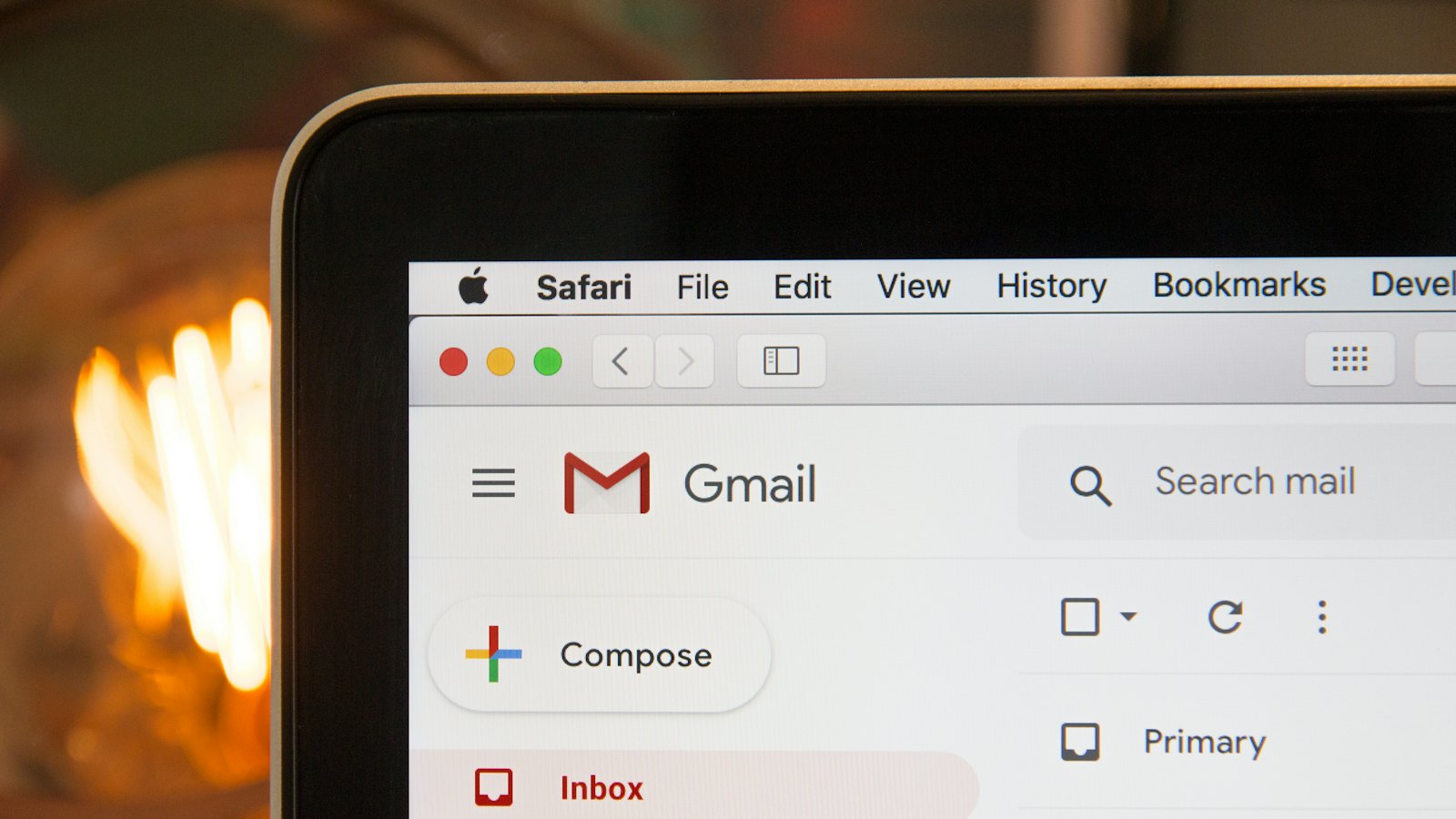
Reading Email Headers Without Being a Techie
Email headers show where a message really came from and whether it passed security checks. How to open them in common email apps and the few lines worth reading.

Remote Access Requests During a Call
"Let me connect to your computer to fix this." How callers use legitimate remote control tools to steal money and install malware, and the rule that keeps you safe.

Reply-Chain Phishing Inside Real Conversations
Attackers who compromise a mailbox reply inside real email threads, adding a malicious link or payment request. How thread hijacking works and how to spot a reply that does not fit.

Safe Ways to Open Files You Are Unsure About
When you are unsure about a file but need to see it, there are safer ways: ask the sender, use preview modes, open in the browser, scan it, or ask IT. A practical guide.

Search Ads That Lead to Phishing Sites
Criminals buy search adverts that appear above real results for banks, software downloads and customer support. How malicious search ads work and how to avoid them.

Seasonal Phishing: Tax Time, Holidays and Big Events
Phishing follows the calendar: tax refunds, holiday deliveries, open enrolment, sports events and year-end. Which themes to expect when, and how to prepare.

Shared Document and E-Signature Phishing
"A document has been shared with you" and "Please sign this contract" are favourite phishing lures. How fake sharing and e-signature notices work and how to check them.
Shortened Links and Redirects
Short links and redirect chains hide where a link really goes, which phishers love. How shorteners and redirects work, and safe ways to see the real destination first.
Social Media Account Phishing
Fake copyright strikes, policy violations and verification badge offers are used to steal social media accounts. How social media phishing works and how to check real notices.

Spear Phishing: When the Email Is Written for You
Spear phishing uses research about you, your job and your colleagues to craft a believable message. How it works, real-world patterns, and how individuals and teams defend against it.

Streaming and Subscription Phishing
"Your payment failed. Update your details to keep watching." How streaming and subscription phishing works, and how to check your account safely in the official app.
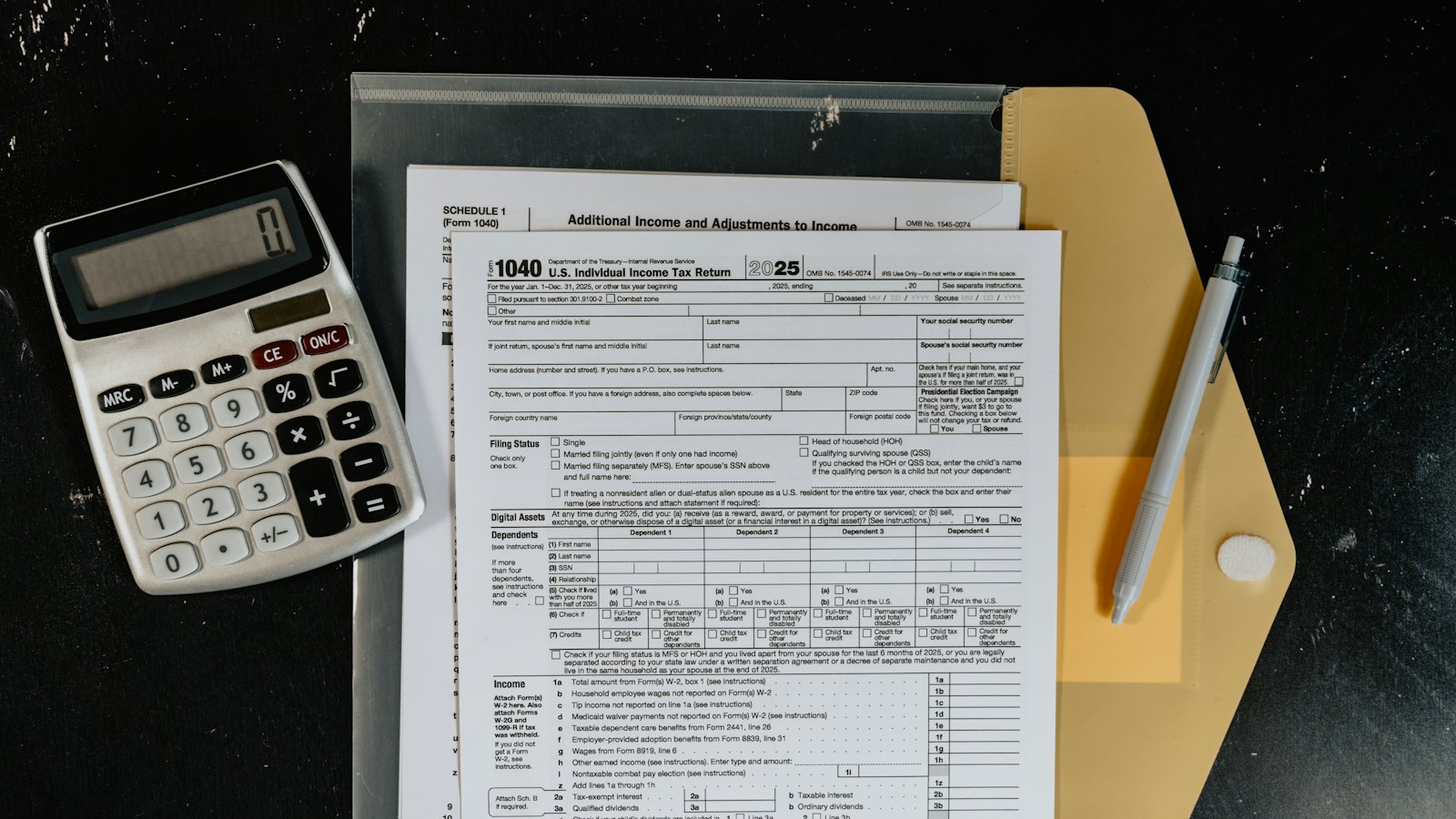
Tax Refund Text Messages
"You are due a tax refund" texts lead to fake government pages that steal card and bank details. How tax refund text scams work and how to check through official channels.

The Psychology of a Phishing Message
Phishing messages are built to trigger quick, emotional reactions. How urgency, authority, curiosity, fear and reward are used, with examples, and how to spot the trigger before you act.

Toll, Parking and Fine Text Scams
"You have an unpaid toll" or "Pay your parking fine now to avoid penalties" texts are widespread. How fake fine texts work and how to check with the real agency.

Typosquatting: When a Typing Mistake Takes You to a Scam
Typosquatting sites wait for you to mistype a web address. How misspelled domains are used for phishing, fake shops and malware, and simple habits that avoid them.

University and School Account Phishing
Students and staff are targeted with fake portal logins, grant and payroll emails, and job offers. How education phishing works and how students and schools can protect accounts.

Vendor and Supplier Email Compromise
When a supplier's email account is hacked, attackers send invoices and bank detail changes from the real address. How vendor email compromise works and the payment controls that stop it.

Voice Phishing With AI-Cloned Voices
AI can clone a voice from a short recording, making phone phishing more convincing than ever. How cloned-voice phishing targets businesses and families, and verification that still works.

Whaling: Phishing Aimed at Executives
Whaling targets senior leaders with legal, board and deal-related lures, or impersonates them to staff. How whaling works and the routines that protect executives and organizations.

What Email Filters Catch, and What They Miss
Email filters stop a huge amount of phishing, but some always gets through. How filters decide, the gaps attackers aim for, and why a message in your inbox is not proof it is safe.

What Happens After You Get Phished
What attackers do with a phished password, card number or infected device, from account takeover and fraud to further phishing and ransomware, and how quick action limits each.

What Is Vishing? Voice Phishing Explained
Vishing is phishing by phone: callers posing as banks, IT support, government or family to get codes, money or access. How it works, why it succeeds and how to protect yourself.

What to Do After Giving Details on a Phishing Call
You realise the caller was a scammer and you shared a code, card number, password or access. What to do right away, depending on what you gave, and how to avoid a follow-up scam.

Why Phishing Works on Careful People
Phishing does not only fool careless people. Timing, workload and familiar-looking messages catch careful people too. Why it works, and practical habits that counter each tactic.

Why Scam Texts Can Appear in Your Bank's Real Message Thread
A scam text can land in the same conversation as genuine messages from your bank or courier. How sender ID spoofing works, why it happens, and what it means for you.

Account Security After Bereavement or Divorce
Big life changes leave shared accounts, recovery contacts and access in the wrong hands. A calm checklist for reviewing accounts after a bereavement, separation or divorce.

Account Security for Couples and Shared Households
Couples, families and housemates share Wi-Fi, subscriptions, bills and devices. How to share access safely without sharing personal passwords, and how to keep personal accounts private.

Account Security While Travelling
Travelling can lock you out of accounts or expose them: roaming stops text codes, public Wi-Fi is risky, and phones get lost. How to prepare before you go and stay safe on the road.

After a Breach at Work: Protecting Your Personal Accounts
Your employer has had a data breach or cyber attack. What it may mean for your personal information and accounts, and the steps to protect yourself from reused passwords and follow-up phishing.

Changing Passwords After a Compromise: The Right Order
After a hack, breach or malware infection, the order you change passwords in matters. A priority list: clean device first, then email, money, phone and password manager, then everything else.

Changing Phones Without Losing Access
A checklist for moving to a new phone without getting locked out: authenticator apps, passkeys, banking and mobile money apps, WhatsApp, and when it is safe to reset the old phone.

Checking a Device for Password-Stealing Malware
Infostealer malware grabs saved passwords, browser sessions and crypto wallets. How it gets onto devices, signs of infection, and a clean-up plan that includes changing passwords from a safe device.
Company Breach Compensation and Recovery Offers
After a big breach, you may hear about compensation, settlements or recovery services. How genuine settlements work, how to spot claim scams, and what to check before sharing any details.
Credential Stuffing Explained
Credential stuffing is when criminals take leaked usernames and passwords and try them automatically on other sites. How it works, why it succeeds, and the defences for individuals and businesses.

Credit Freezes and Fraud Alerts Explained
A credit freeze or fraud alert makes it harder for someone to open credit in your name. What each does, how they differ by country, and when to use them.

Criminal Record Identity Theft
When someone gives your name or ID to police or courts, their offences can end up linked to you. How criminal identity theft happens, the warning signs, and how to correct records and get documentation.

Data Breach Notification Letter: What to Do Next
You received a letter or email saying your data was involved in a breach. How to confirm it is genuine and exactly what to do depending on what leaked: passwords, cards, ID numbers or contact details.

Data Brokers and People-Search Sites
Data brokers collect and sell personal information such as addresses, phone numbers and relatives. What they collect, why it matters for scams and safety, and the routes to opt out or request deletion.

Dealing With Debt Collectors After Identity Fraud
Debt collectors are chasing you for a loan or account you never opened. How to respond in writing, dispute the debt, provide evidence of identity fraud, and spot fake debt collectors.

Deleting Old Online Accounts to Reduce Risk
Every forgotten account is another place your data can leak from. How to find old accounts, decide what to keep, and close the rest properly.

Digital Legacy: Accounts After Someone Dies
What happens to email, social media, photos and online accounts when someone dies, how to set up legacy contacts now, and how families can close or memorialise accounts safely.

Employment Identity Fraud
Someone may use your ID or tax number to get a job, leaving income on your tax record that is not yours. Warning signs, how to report it, and how to correct your tax and employment records.

Fake Identity Verification Requests
Scammers send fake "verify your identity" requests from banks, platforms, employers and marketplaces to collect ID photos, selfies and card details. How to spot them and verify safely.
Find My Device: Setting Up Before You Need It
Find-my-device services let you locate, lock and erase a lost phone, but only if you set them up first. How to turn them on for Android and iPhone and how to use them when needed.

Getting Locked Out of Your Own Account
Forgotten password, lost phone, changed number or a security lock: how to get back into your own account through official support, what information helps, and how to avoid lockouts in future.

Helping Older Relatives Secure Their Accounts
A practical one-afternoon plan to help parents and grandparents secure their email, phone, banking and WhatsApp, respecting their independence while protecting them from takeovers and scams.
How to Check If Your Details Were in a Breach
How to use breach-checking services safely to see if your email, phone number or passwords have appeared in known data breaches, what the results mean, and what to do next.
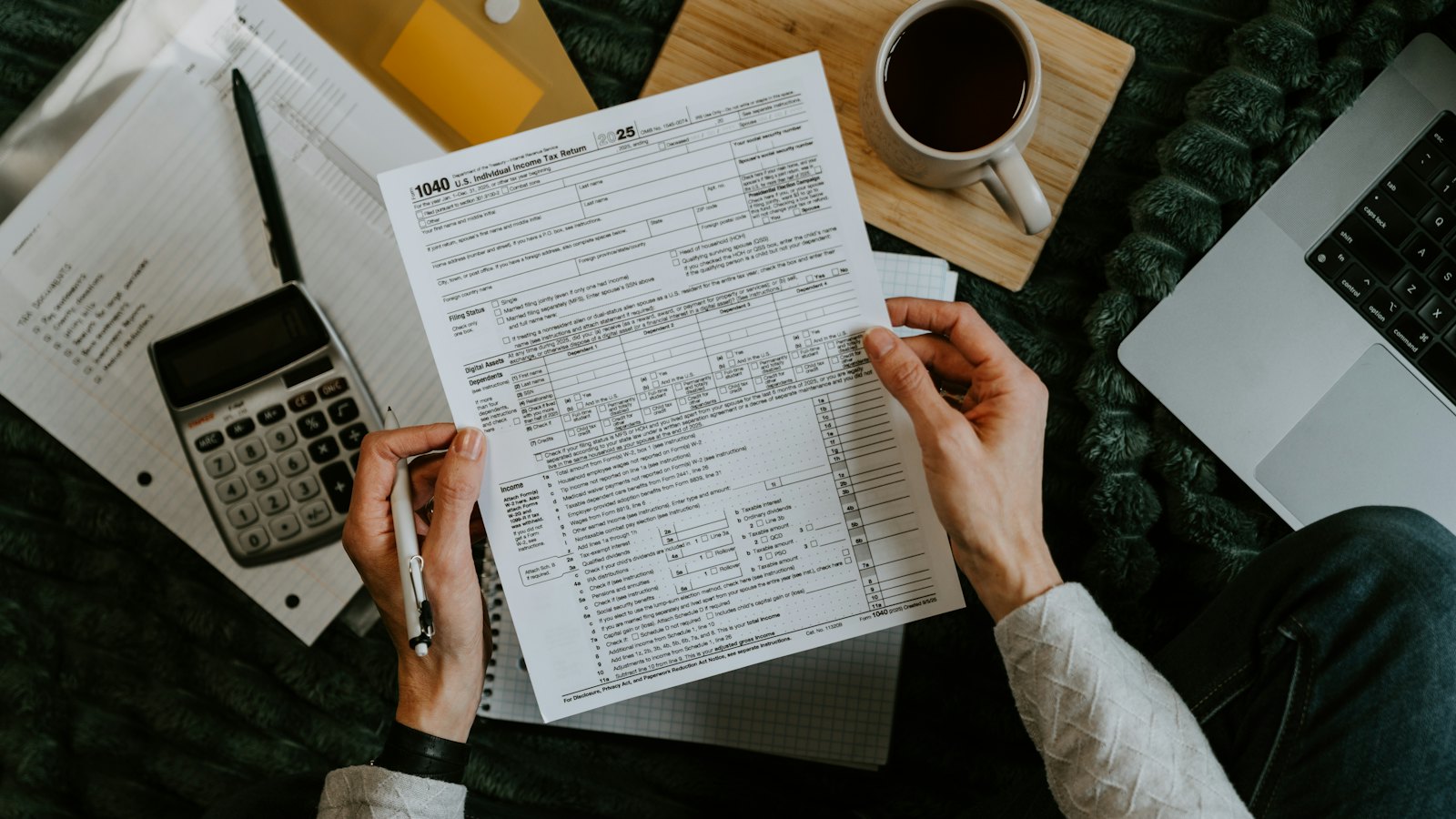
How to Check Your Credit Record
Your credit record shows accounts and applications in your name, making it one of the best ways to spot identity fraud. Where credit records are kept, how to check for free, and what to look for.
How to Recover a Hacked Facebook Account
Someone took over your Facebook account. How to use Facebook's official recovery page, what to check once you are back in, including linked Instagram, Messenger and payment details.

How to Recover a Hacked Instagram Account
Someone took over your Instagram account. How to use Instagram's official recovery options, what to do if the email and phone were changed, and how to secure the account once you are back in.
How to Recover a Hacked TikTok or X Account
How to get a hacked TikTok or X (formerly Twitter) account back through official support, what to check once you are in, and the settings that stop it happening again.

Impersonation Accounts Pretending to Be You
A fake account is using your name and photos to message your friends. How to report impersonation on the main platforms, warn your contacts, and reduce the chance of it happening again.

Keeping a Log After Identity Fraud
Resolving identity fraud can take weeks and many calls. A simple log template for dates, contacts, reference numbers and outcomes, and why it makes recovery faster and less stressful.

Know Your Customer Requests: When Sharing ID Is Legitimate
Banks, mobile money providers and exchanges must verify customers, so ID requests are normal. How genuine know-your-customer checks work, and how scammers fake them.
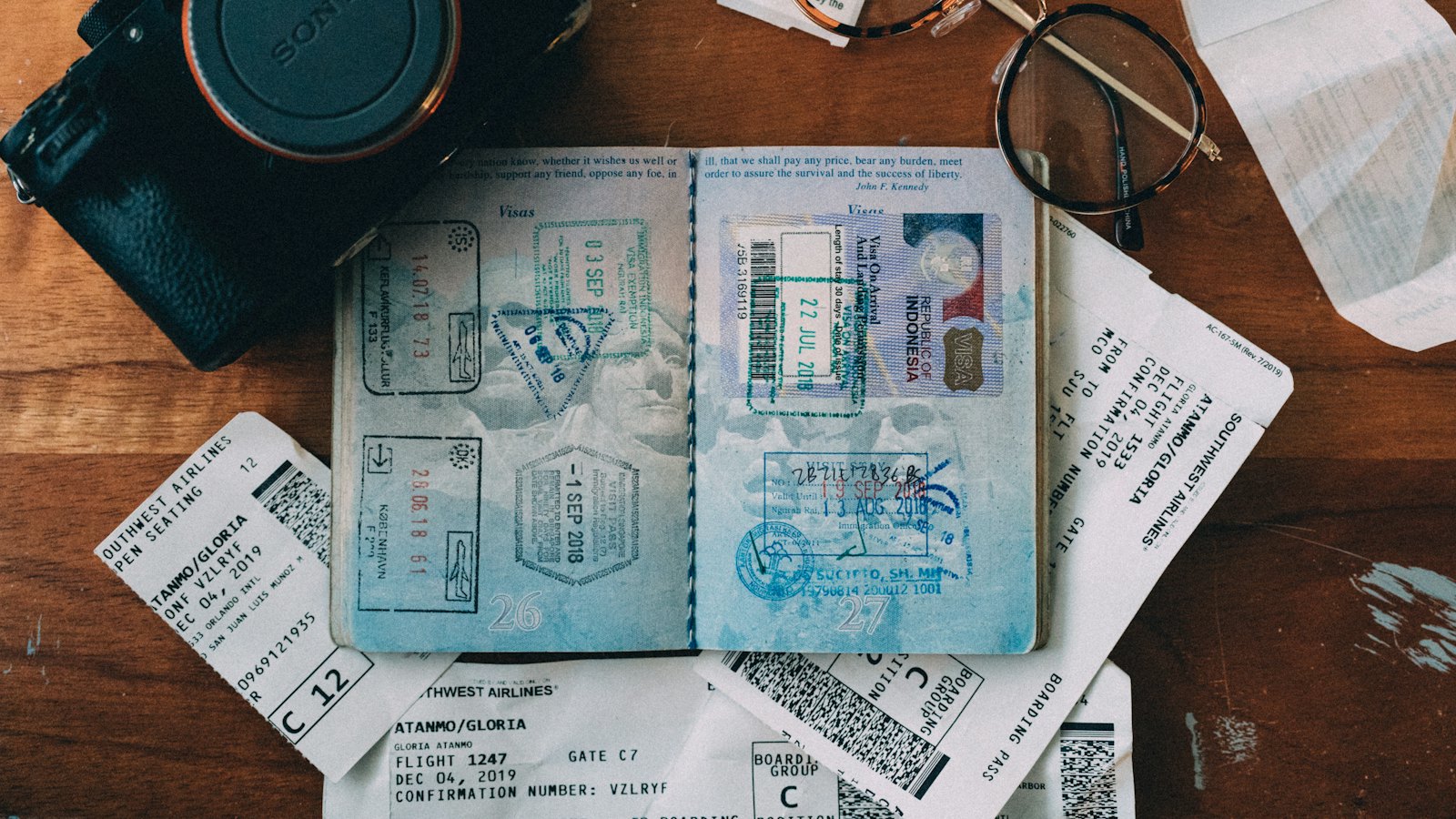
Leaked ID Numbers: What to Do
Your national ID, passport, tax or social security number was exposed. What criminals can do with it, and the practical steps: credit freezes, fraud alerts, monitoring and replacing documents.

Leaving a Job: Personal Accounts to Update
Before your last day, move personal accounts off your work email, update recovery details, and remove work access from personal devices, so you do not get locked out or leave data behind.

Login Alerts on Social Media: Turn Them On
Login alerts tell you when someone signs in to your account from a new device. How to turn them on, how to tell real alerts from fake ones, and exactly what to do when you get one.

Lost or Stolen Phone: Protecting Your Accounts
Your phone has been lost or stolen. What to do in the first hour to protect your bank, mobile money, email and social accounts: remote lock, SIM block, password changes and alerts.

Mail and Post Theft
Stolen letters and parcels can reveal bank details, new cards, ID documents and personal data. What criminals look for in your post, warning signs of mail theft, and how to protect it.

Medical Identity Theft
Someone may use your identity or insurance to get medical care, prescriptions or equipment. The warning signs, why it can be dangerous, and how to correct your medical and insurance records.

Moving Countries: Keeping Access to Your Accounts
Moving to another country can cut you off from accounts tied to your old phone number and bank. How to keep access to email, banking, mobile money and government accounts during and after a move.
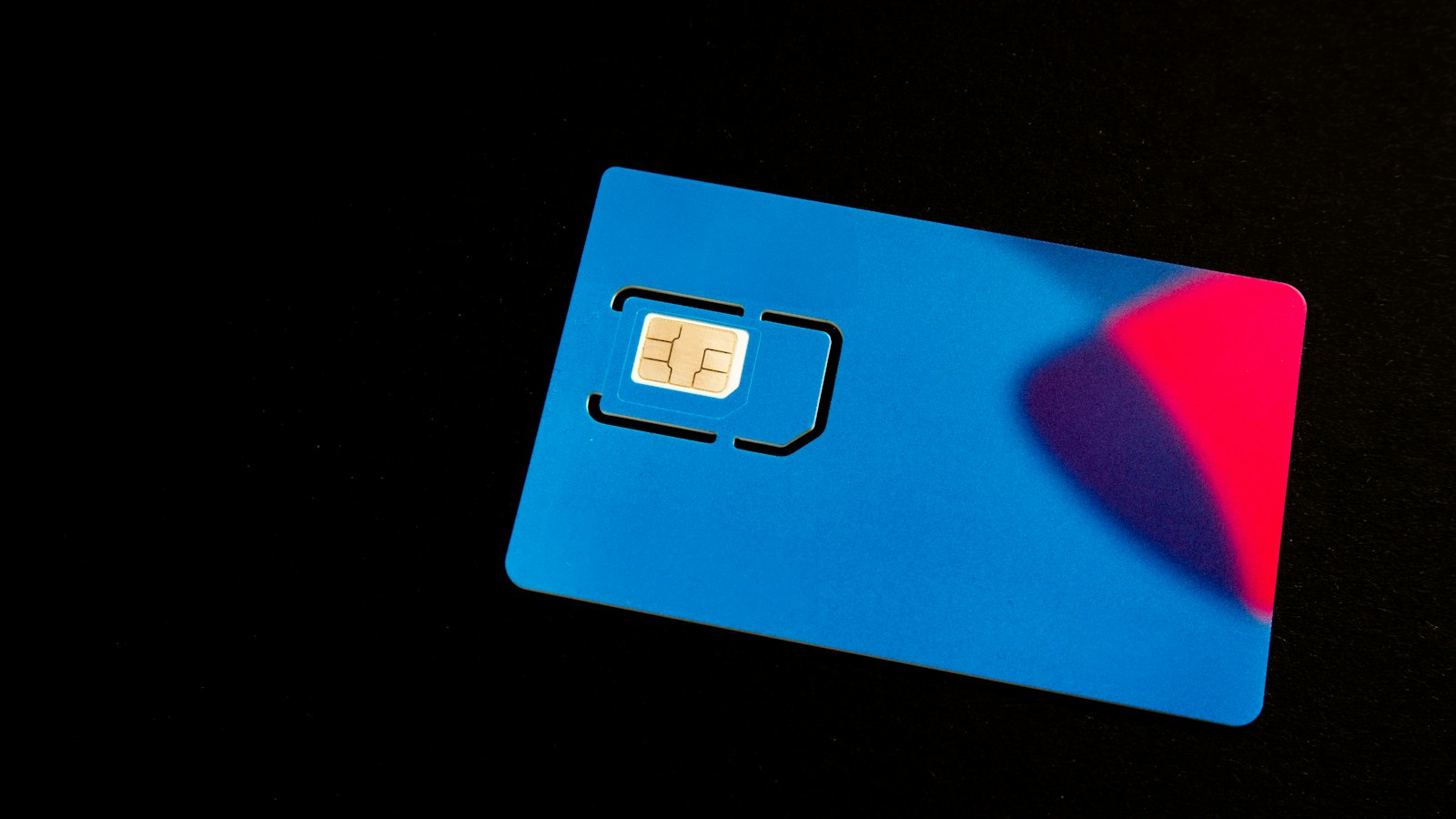
Number Porting Fraud
Criminals can move your phone number to another network without your permission, then receive your codes. How port-out fraud works, the warning signs, and how to lock your number.
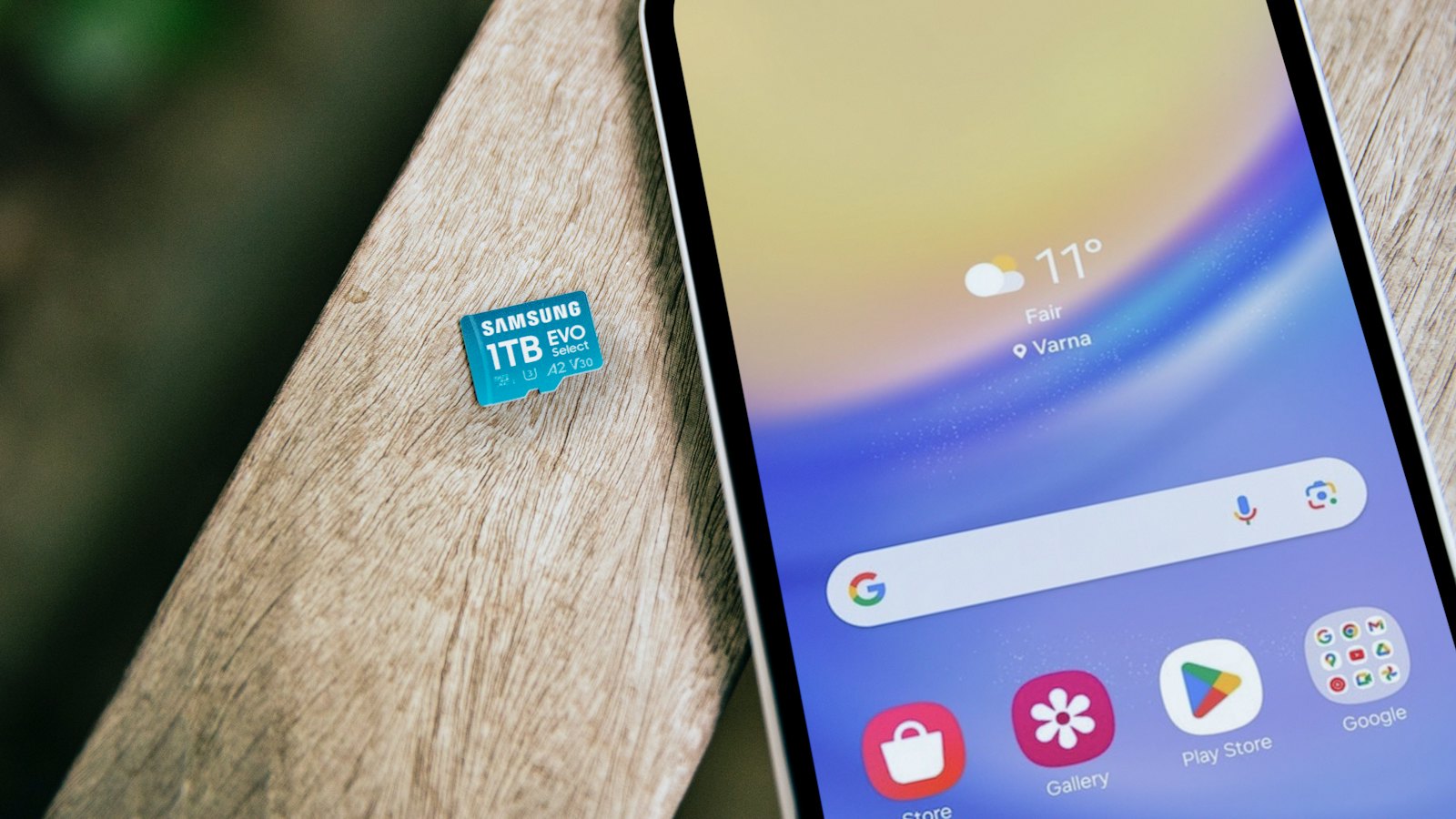
Official Account Recovery vs Fake Recovery Services
After an account is hacked, "recovery experts" appear in comments and messages offering to get it back for a fee. Why they are almost always scams, and how official recovery actually works.
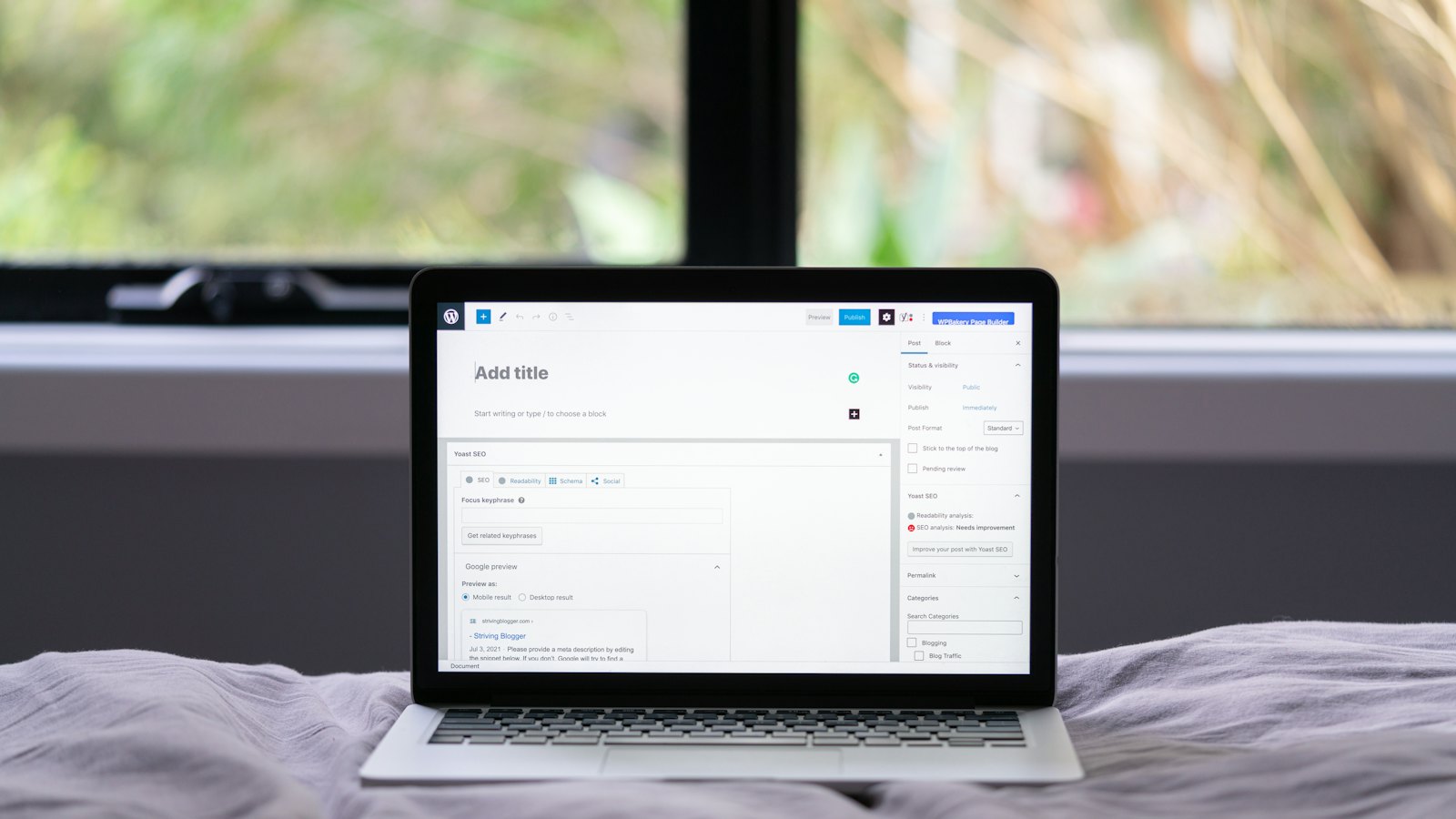
Old Email Accounts You Forgot About
Forgotten email accounts from school, old jobs or years ago can still be linked to your accounts and personal data. How to find them, and whether to recover, secure or close them.

Phishing That Follows a Data Breach
After a breach is announced, criminals send fake breach notices and targeted phishing that uses your real details. How to recognise it and how to respond to genuine breach emails safely.

Phone Number Recycling and Old Accounts
When you stop using a phone number, networks eventually give it to someone else. Why accounts still linked to an old number are at risk, and how to update them before and after you change numbers.
Phone Screen Lock and Biometrics
Your screen lock is the first barrier protecting your banking, email and messages. PINs, passwords, patterns, fingerprints and face unlock compared, and how to set a strong lock.

Protecting Children's Identities
Children's identities are attractive to fraudsters because misuse can go unnoticed for years. How child identity theft happens, the warning signs, and practical protections for parents.

Protecting Your Passport and ID Card Copies
Hotels, landlords, employers and apps ask for copies of your passport or ID. When sharing is legitimate, how to share safely, and what to do if a copy ends up in the wrong hands.

Protecting Your Phone Number From Takeover
Your phone number receives codes for your bank, mobile money and email. How criminals take numbers over, and practical protections: SIM PINs, network account security, and reducing exposure.

Protecting Your Tax and Government Account Logins
Tax, benefits, pension and ID portals hold valuable information and are targeted by criminals. How to secure your government account logins, spot fake portals, and recover if something goes wrong.
Protective Registration and Similar Services
Protective registration flags your identity as at risk, so organizations take extra care with applications in your name. How Cifas protective registration works in the UK and what similar options exist elsewhere.
Remote Access App Scams
Scammers talk people into installing remote access apps so they can see and control their phone or computer. How these scams work, which requests to refuse, and how to stay safe.

Reporting Identity Theft in Different Countries
Where to report identity theft in the US, UK, Canada, Australia, the EU, India, Ghana and elsewhere, what to have ready, and who else to tell.
Securing Social Media Accounts: A Checklist
A practical checklist to secure Facebook, Instagram, TikTok, X, LinkedIn and other social accounts: two-step verification, login alerts, recovery details, connected apps and privacy.

Selfie and Face Verification Scams
Scammers ask for selfies holding your ID, short face videos, or face scans to "verify" you, then use them to open accounts or pass checks in your name. How to spot and avoid these requests.

Selling or Buying Social Media Accounts: The Risks
Accounts with followers, rare usernames or game items are bought and sold online. Why these deals often end in scams, bans or the account being taken back, and what to do instead.

Selling or Giving Away an Old Phone Safely
Before you sell, trade in, recycle or give away a phone, remove your accounts and data properly. A step-by-step checklist for Android and iPhone, including the SIM and memory card.

Setting a SIM PIN
A SIM PIN stops someone using your SIM card in another phone. What it protects, what it does not, and how to set one up on iPhone and Android without locking yourself out.

Shredding and Disposing of Personal Documents
Bank statements, bills and letters thrown away whole can be used for identity fraud. Which documents to shred, which to keep, and how to dispose of paper and old devices safely.

Social Media Quizzes That Harvest Security Answers
"What's your first car?" "Your elf name is your birth month plus your pet!" How fun quizzes and challenges collect the answers to security questions, and how to join in safely.

Someone Opened an Account in My Name: What to Do
A bank account, credit card, loan or phone contract was opened using your identity. Step-by-step: confirming the account, contacting the provider, reporting, protecting your credit and keeping records.

Students and Identity Theft
Students share housing, send documents for jobs and accommodation, and are new to managing money, which makes them targets for identity theft. Practical protections for students.

Synthetic Identity Fraud Explained
Synthetic identity fraud combines real details, such as an ID number, with fake ones to create a new identity that builds credit before "busting out". How it works, who is at risk, and how to protect yourself.
Tax Refund and Benefit Fraud Using Your Identity
Criminals use stolen identities to claim tax refunds and benefits. Warning signs, how to report it to tax authorities, and how to protect your government accounts.

The Dark Web and Your Data, Without the Hype
"Your data was found on the dark web" sounds terrifying. What that actually means, what dark web monitoring services can and cannot do, and the practical steps that matter.

The Types of Phishing, Explained Side by Side
A side-by-side comparison of the main types of phishing: which channel each uses, who it targets, what it wants, and the one check that stops it.

Third-Party Apps Connected to Your Accounts
Quizzes, games, sign-in buttons and tools you connected years ago may still have access to your accounts. How to find third-party apps with access and remove the ones you do not need.

Using Email Aliases to Protect Your Main Address
Email aliases and masking services let you sign up for things without giving out your main address. How they work, when to use them, and how they cut spam, phishing and breach exposure.

Warning Friends After Your Account Was Hacked
Your account was hacked and may have messaged your contacts. Ready-to-use message templates, which channels to use, and what to tell people who already replied or paid.

Watermarking Documents Before You Share Them
Adding a watermark to a copy of your ID or documents makes it harder to reuse for fraud. Simple ways to watermark on a phone or computer, and what to write.

What Is a Data Breach and What Does It Mean for You?
A plain-English explanation of data breaches: what they are, what kinds of information leak, how criminals use it, and the practical steps to take when a company you use is breached.

What Is Identity Fraud?
Identity fraud is when someone uses your personal details to get money, credit, goods or services. The main types, the warning signs, and the first steps if it happens to you.

What Is Phishing? A Plain-English Explanation
Phishing is a message that pretends to be from someone you trust to trick you into giving away passwords, money or access. A plain-English explanation with everyday examples and simple defences.
What Not to Post Online: Identity Edition
Everyday posts can hand criminals the details they need for identity fraud and scams. What to avoid posting, from boarding passes and birthdays to new-job and travel updates.

What Scammers Do With Hacked Social Accounts
Why criminals want your social media account: scamming your contacts, fake sales and investment posts, extortion, and reselling. How each works and how to protect yourself and your friends.

What to Do After Giving a Scammer Remote Access
You let a scammer connect to your computer or phone. What to do right now: disconnect, remove the software, secure your accounts from another device, and check your banking.

When a Partner or Ex Has Access to Your Accounts
After a breakup, or in a controlling relationship, someone close may still have access to your email, phone, location or cloud. How to review access safely, and where to get help if you feel unsafe.
When Recovery Takes Months: Staying Protected
Identity fraud does not always end when the first account is closed. How to stay protected over the following months: monitoring, follow-ups, repeat attempts and looking after yourself.

Work Email vs Personal Email: Keeping Them Separate
Using work email for personal accounts, or personal email for work, creates security and privacy problems, especially when you leave a job. Why to keep them separate and how to untangle them.

"Hi Mum, This Is My New Number" Family Emergency Scams
A message from your "child" on a new number, needing money urgently. How family emergency and new-number scams work, how to check without offending anyone, and the code word habit.

"Pay for Training" and Uniform Fee Job Scams
You got the job, but first you must pay for training, a uniform, a medical test or a starter kit. Why legitimate employers do not charge new hires and how to spot training fee scams.

"Stuck at Customs": Gift and Parcel Romance Scams
Your online partner has sent you a gift, but it is stuck at customs and a fee must be paid. How the fake courier stage of romance scams works and how to check any parcel claim.

A First-Time Smartphone User's Guide to Scams
New to smartphones, mobile money or banking apps? Five simple habits prevent most scam losses. A plain guide for first-time users and the family members helping them.

After a Romance Scam: Reporting, Recovery and Support
Realising a relationship was a scam is devastating. What to do next: stop contact, protect your money and accounts, report it, avoid recovery scams, and look after yourself.

AI Voice Cloning Scams Targeting Families
A call in your child's voice, crying and asking for help. How AI voice cloning scams work, where scammers get voice samples, and the simple habits that defeat them.
Authenticator Apps: Setup and Backup
Authenticator apps generate sign-in codes on your phone and are safer than text messages. How to set one up, back it up, and move it to a new phone without getting locked out.

Backup Codes: The Safety Net Most People Skip
Backup codes let you into your account if you lose your phone or authenticator. What they are, where to store them safely, how to use them, and when to generate new ones.
Browser Notification Spam and Fake Alerts
Pop-up alerts saying you have viruses or have won prizes, even when the browser is closed? How websites trick you into allowing notifications and how to turn them off on phone and computer.
Catfishing vs Romance Scams: What Is the Difference?
Catfishing and romance scams both involve fake identities online, but the motives and risks differ. How to tell them apart, the harm each can cause, and when to report.

Celebrity and Public Figure Impersonation Scams
Fake celebrity accounts, fan pages, giveaways and endorsements used to steal money and data. How celebrity impersonation scams work and how to tell a real account from a fake.

Checking Email Sessions and Connected Apps
Where to find the devices signed in to your email and the apps connected to it, how to tell what belongs to you, and how to remove access you do not recognise.

Church and Community Leader Impersonation Scams
Scammers impersonate pastors, imams, priests, chiefs, club chairs and association leaders to ask members for money. Why community trust is targeted and how groups can protect members.

Dating App Safety Checklist
A practical checklist for using dating apps safely: checking profiles, keeping chats on the app, first meetings, protecting your personal information, and firm money boundaries.

Deepfake Videos of Public Figures Promoting Scams
Fake videos of presidents, billionaires, news presenters and celebrities promoting trading platforms and giveaways. How deepfake endorsement scams work and how to spot them.

Election and Current-Events Scams
Elections, disasters, health scares and big news stories are quickly followed by scams. How scammers borrow headlines, fake appeals and fake news, and how to respond.

Electricity and Utility Disconnection Scams
"Your power will be cut off in one hour unless you pay now." How electricity, water and gas disconnection scams work, and how to check your account and pay safely.

Email Recovery Settings Explained
Recovery settings decide whether you can get back into your email, and whether an attacker can. What each option does, how to set them up, and the mistakes that cause lockouts or takeovers.

Fake App Store Support and Fake Apps
Copycat banking apps, fake investment apps, apps sent as download links, and fake "app support" accounts. How fake app scams work and how to install and get help safely.

Fake Customer Care Numbers in Search Results and Social Media
You search for a company's helpline and call the number at the top, but it belongs to a scammer. How fake customer care numbers are planted online and where to find genuine contact details.

Fake Job Interviews on Telegram and WhatsApp
A recruiter invites you to an interview by chat, asks a few easy questions, and offers you the job on the spot. How fake chat interviews work and what real employers do instead.

Fake Network Customer Care Calls and Messages
Callers pretending to be your mobile network's customer care want your PIN, a code or a SIM swap. What real network staff can and cannot ask, and how to check a call.

Fake Payment Screenshots, Receipts and Documents
Edited or generated screenshots of transfers, fake SMS alerts and forged receipts are used to take goods without paying. How sellers can spot fakes and confirm payment properly.

Fake Subscription Renewal Emails and Calls
An email says your antivirus or streaming subscription renewed for a large amount, and to call if you want to cancel. How fake renewal and callback scams work and how to check your subscriptions.
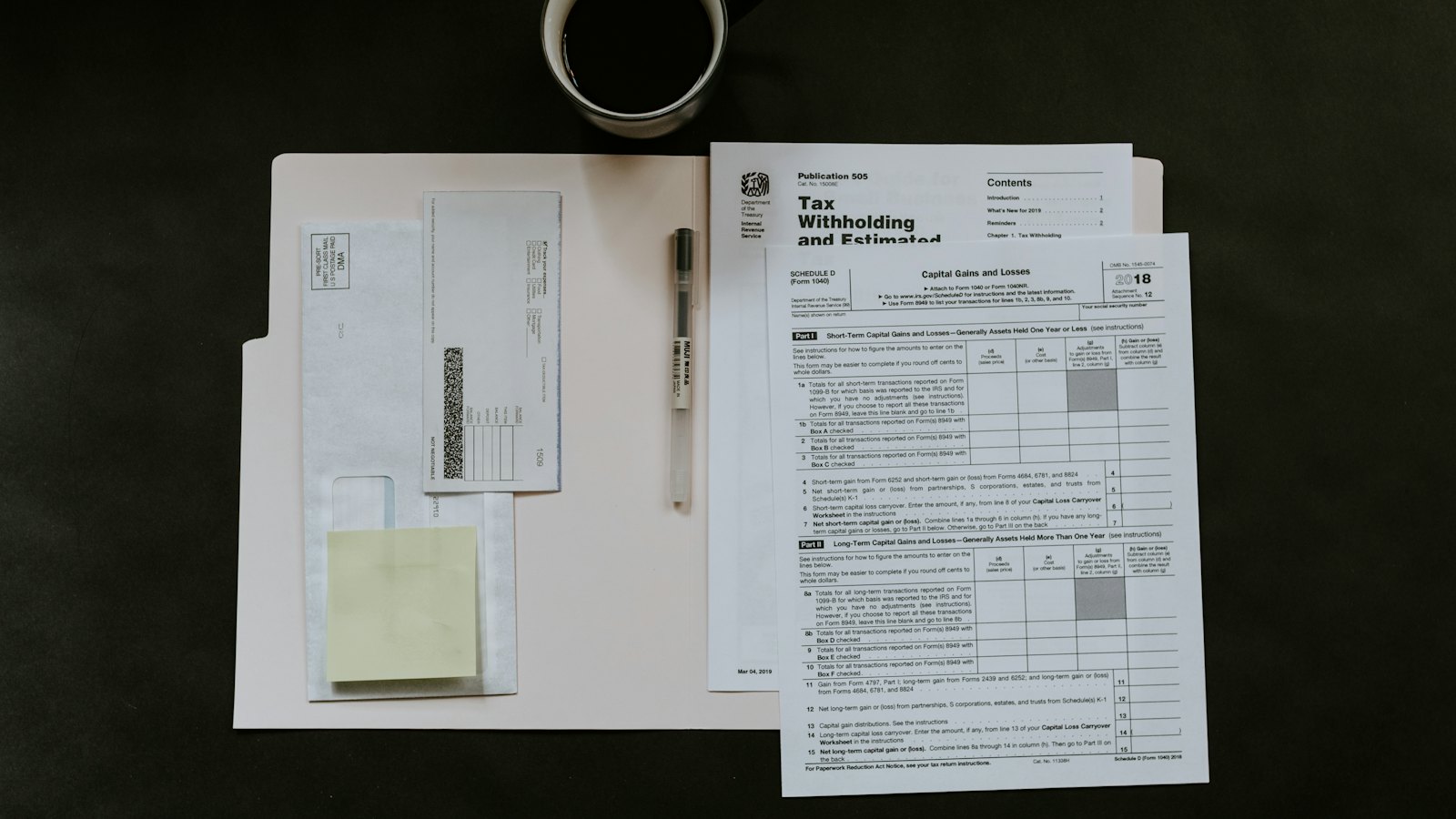
Government and Tax Authority Impersonation Scams
Fake tax refunds, unpaid tax penalties, benefit updates and fines. How government and tax authority impersonation scams work and how real agencies actually contact people.
How Long Should a Password Be?
How long a password should be, according to current guidance from NIST and the UK's NCSC, why length matters more than symbols, and how to make long passwords easy to remember.
How Scammers Use AI Chatbots
Scammers use AI chatbots to run thousands of friendly conversations at once, in any language. How AI chatbot scams work, where they appear, and what still gives them away.

How to Choose and Set Up a Password Manager
What a password manager does, the features to look for, and a simple first-day setup plan so you can start using unique passwords today without feeling overwhelmed.

How to Help a Family Member Caught in a Romance Scam
Your parent, sibling or friend is in love with someone online who keeps asking for money. Approaches that help without driving them away, what to say, what to avoid, and practical steps.

How to Keep Up With New Scams Without Becoming Paranoid
New scams appear every week, but you do not need to track them all. Trusted sources to follow, a simple monthly habit, and rules that protect you from scams you have never heard of.

How to Secure Your Email Account Step by Step
Your email is the key to your other accounts. A step-by-step checklist to secure it: a strong unique password, two-step verification, recovery details, sessions, forwarding and connected apps.

How to Tell Real Security Warnings From Fake Ones
Some security alerts are genuine and important; many are fake. Where real alerts appear, how they behave, and the requests that reveal a fake warning every time.

How to Verify a Job Offer Before You Accept
A step-by-step check to confirm a job offer is real before you accept, share your details or pay anything: the company, the recruiter, the interview, the offer letter and the contract.

Internship and Graduate Placement Scams
Fake internships and graduate placements target students with fees, fake offers and data theft. How to spot internship scams and confirm an opportunity with the employer or programme.

Is It Safe to Save Passwords in Your Browser?
Browsers and phones now offer built-in password managers. How safe they are, how they compare with dedicated password managers, and how to use them securely.

Losing Your Phone With Your Authenticator on It
Your phone is lost, stolen or broken, and your authenticator app and passkeys were on it. How to get back into your accounts, secure them, and set things up so it cannot lock you out again.

Malicious Email Forwarding and Filter Rules
After breaking into an email account, attackers often add hidden forwarding and filter rules to keep reading your mail and hide security alerts. How to find and remove them.

Money Mule Recruitment: When a Job Makes You Move Stolen Money
"Receive payments into your account and forward them, keep 10%." How money mule schemes recruit students, job seekers and romance victims, the legal risks, and what to do if you are involved.
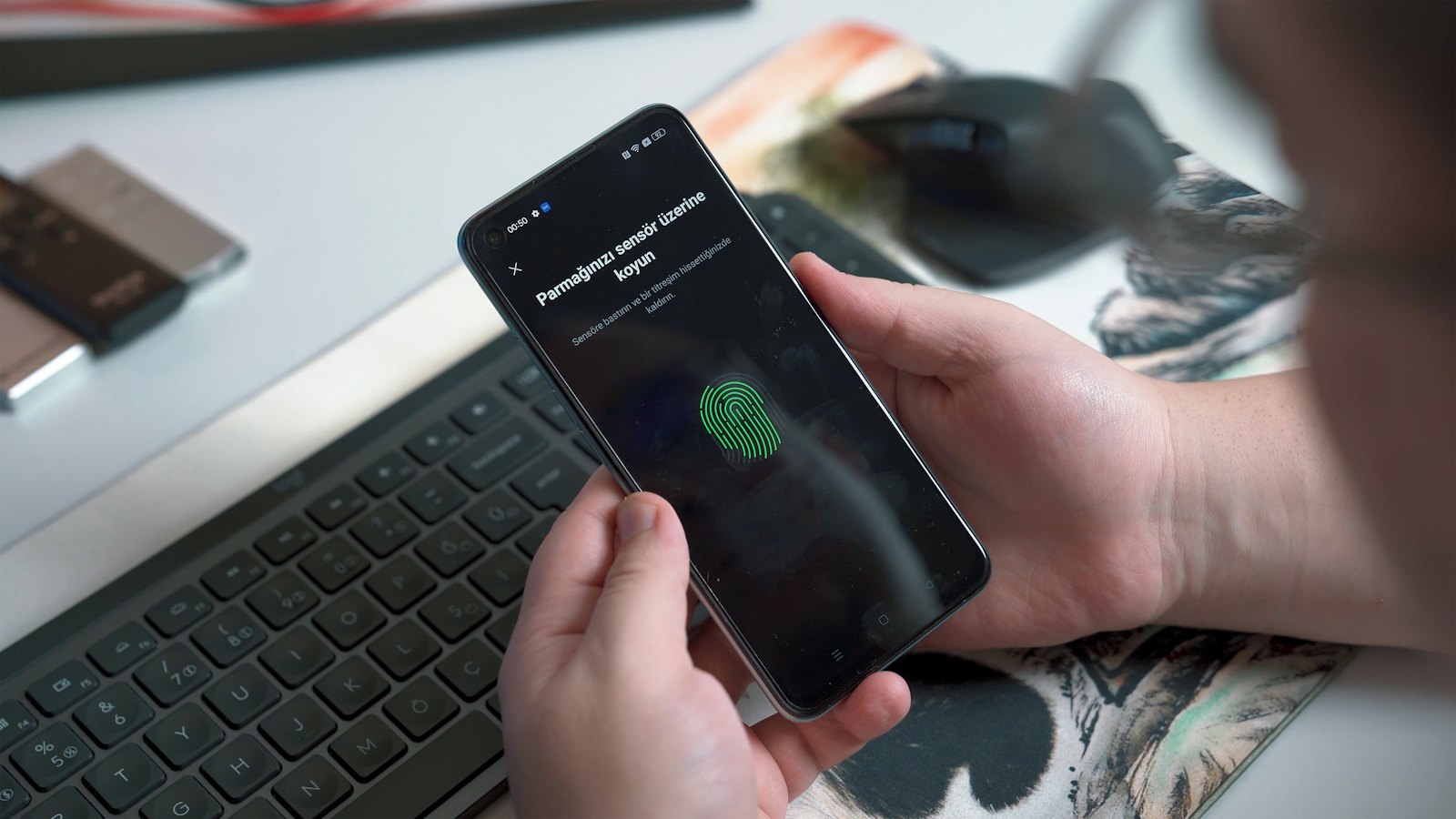
Moving From Old Passwords to a Password Manager
You have a password manager, but years of old and reused passwords. A gradual, low-stress plan to move your accounts over, starting with the ones that matter most.

Overpayment and Fake Cheque Scams
A buyer, employer or tenant pays you too much and asks you to send the difference back. How overpayment and fake cheque scams work, why the money seems to clear, and how to protect yourself.

Password Myths That Weaken Security
Some popular password advice actually makes accounts weaker. Eight common password myths, what current guidance from NIST and the UK's NCSC says instead, and what to do.

Password Sharing With Family Safely
Families need to share some logins, like streaming, utilities and household accounts. How to share safely with family vaults and emergency access, instead of texting passwords around.

Police and Arrest Threat Scams
A caller says they are police, a warrant has been issued, or your ID was used in a crime. How police impersonation and arrest threat scams work, including "digital arrest" video calls, and how to check.

Protecting Elderly Parents From Online Scams
Practical ways to protect older parents from scams: phone and bank settings, a family code word, simple rules, and conversations that help without taking away their independence.

Refund Scams: "We Overpaid Your Refund"
A caller processes a refund, then claims they sent too much and need the difference back. How refund scams use remote access and edited screens to trick you into sending money.

Rental and Landlord Scams
A great flat at a low rent, a landlord abroad, and a deposit to secure it. How rental and landlord scams work, how to check a listing and a landlord, and how to pay safely.

Romance Scams Explained
How romance scams work from the first message to the money request: the long build-up, the sudden crisis, and the signs that a loving online relationship is a scam.
Scam Ads in Search Results and Social Feeds
Scammers pay for adverts too. How scam ads appear in search results and social media feeds, the most common types, and how to check an advert before you click or buy.

Scams Targeting Churches, Associations and Savings Groups
Churches, mosques, associations, clubs and savings groups are targeted with impersonated leaders, fake collectors and fraud involving group funds. Payment rules and habits that protect groups.

Scams Targeting Farmers and Agri-Input Buyers
Farmers and agribusinesses face fake seed and fertiliser suppliers, fake bulk buyers, fake subsidy programmes and fake equipment sales. How these scams work and how to protect your harvest and income.

Scams Targeting Market Traders and Small Sellers
Market traders, shopkeepers and online sellers face fake payment alerts, fake screenshots, fake buyers, fake suppliers and wrong-transfer tricks. How each works and simple shop rules.

Scams Targeting Students
Students face scholarship, accommodation, job, fee payment and money mule scams, often at the busiest times of the year. How each works and simple rules for students and parents.

Scams Targeting the Diaspora Sending Money Home
People living abroad who support family or invest back home face specific scams: impersonated relatives, land and property fraud, and building projects that never progress. How to protect yourself.

Scams That Follow a Data Breach
After a company announces a data breach, scammers follow with fake compensation offers, fake security alerts and targeted phishing. How data breach scams work and what to do.

Screen-Sharing Scams on Video Calls
Scammers ask you to share your screen on WhatsApp, Zoom or other video calls to "help" you. What they can see and capture, including codes and banking details, and how to share safely.
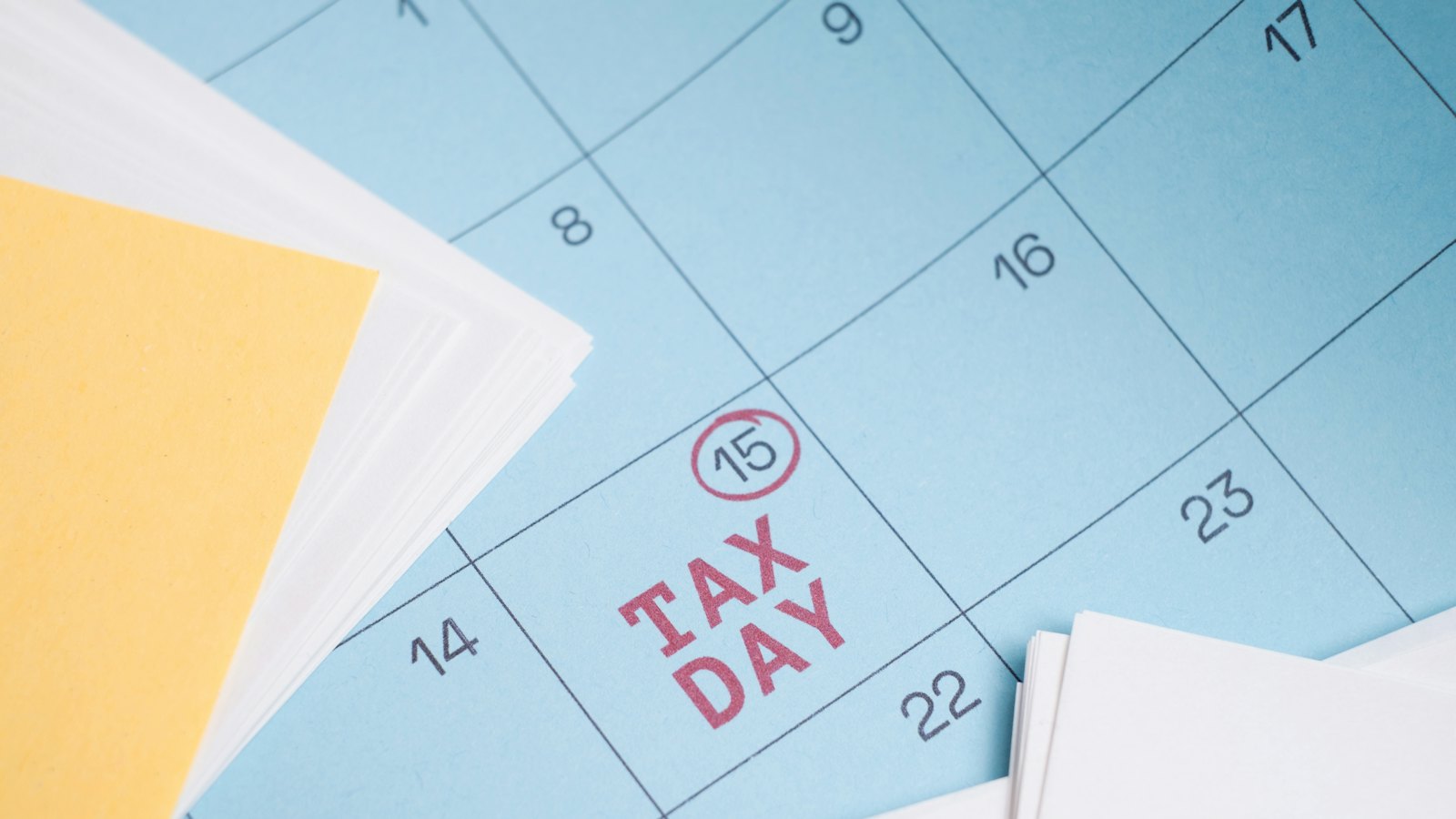
Seasonal Scams: Holidays, Back to School and Tax Season
Scammers follow the calendar. A month-by-month guide to seasonal scam themes, from holiday shopping and travel to tax season, back to school and festival giving.

Security Questions: Why Honest Answers Are Risky
Your mother's maiden name, first pet and first school can often be found online. Why honest security answers weaken your accounts, and how to use random answers stored in a password manager.
Setting Up Passkeys on Your Main Accounts
A step-by-step guide to setting up passkeys on your email, shopping, social media and other accounts, on phones and computers, plus how to keep a backup way in.

Sextortion: What to Do If Someone Threatens to Share Images
If someone is threatening to share intimate images of you unless you pay, you are not alone and it is not your fault. Immediate steps, why not to pay, how to report, and where to get support.
Signs You Are Talking to a Romance Scammer
The behavioural red flags of a romance scammer: moving fast, avoiding video calls, stories that do not add up, and requests for money. A checklist for you or someone you care about.

Signs Your Email Has Been Hacked
How to tell if someone has access to your email: messages you did not send, strange rules, security alerts, missing emails and password resets. What to check and what to do next.

Teaching Children About Online Scams
Simple, age-appropriate rules and activities to teach children about online scams, from young children using tablets to pre-teens on games and social media.

Tech Support Pop-Up Scams
A loud pop-up says your computer is infected and to call a number now. How scareware and tech support pop-up scams work, how to close them safely, and what to do if you called.

Teenagers and Online Scams: A Guide for Parents
Teenagers face gaming scams, fake giveaways, easy-money jobs, money mule offers and sextortion. How each works and how parents can talk about them without shutting the conversation down.

Text Message Codes: Better Than Nothing, but Weaker
Text message codes are the most common form of two-step verification. Why they are better than nothing, how SIM swaps and phishing defeat them, and when to switch to something stronger.

The Gift Card Request From "Your Boss"
"Are you available? I need a quick favour." How the boss gift card scam targets employees, why it works, and the simple rule that stops it.

The Soldier, Doctor or Engineer Abroad: Common Romance Scam Personas
The deployed soldier, the aid doctor, the oil rig engineer, the widowed businessman. Why romance scammers choose these personas, what each one is designed to explain, and how to test them.

Travel Booking Scams
Fake travel agents, cheap flights that never exist, fake holiday rentals and fake booking confirmations. How travel booking scams work and habits for booking safely.

Two-Step Verification for Older Relatives
How to set up two-step verification for parents and older relatives in a way they can actually use: the simplest methods, clear rules about codes, and a recovery plan for lost phones.

Unexpected Login Approval Prompts: What They Mean
Your phone asks "Are you trying to sign in?" and you are not. What an unexpected login approval prompt or code means, what to do right away, and how to stop repeat prompts.
What Is a Passkey?
Passkeys let you sign in with your fingerprint, face or phone PIN instead of a password, and they cannot be phished. What passkeys are, how they work, and where to start using them.
What Is Two-Step Verification and Why Use It?
Two-step verification, also called 2FA or MFA, adds a second check when you sign in. What it is, why it stops most account takeovers, the main methods, and where to turn it on first.
What to Do When a Site Says Your Password Was Leaked
Your browser, phone or a website says your password appeared in a data leak. What the warning means, how to check it is genuine, and exactly what to change.

When Romance Turns Into an Investment Pitch
A new online friend or partner shows you how they make money trading crypto or gold and offers to help you start. How romance and investment scams combine, and how to spot the fake platform.

Why Password Reuse Is So Dangerous
Using the same password on several sites means one breach can open all your accounts. How credential stuffing works, why it is so common, and how to stop reusing passwords without stress.

Why Your Email Is the Key to Everything
Almost every account you have can be reset through your email. How that creates a chain of risk, what attackers do with an email account, and why it deserves your strongest protection.

"You Have Won a Promo": Fake Telco and Bank Promotion Scams
Scammers pretend to be your mobile network or bank and say you have won a promotion. How these fake promo scams work, what they want from you, and how to confirm a real promotion.

Advance-Fee Scams: Why "Pay First to Receive" Is Always a Trap
Prize, inheritance, loan, grant and job scams share one pattern: you must pay a fee to receive something bigger. How advance-fee scams work, how to spot them and what to do.

Can You Get Your Money Back After a Scam?
Whether you can get money back after a scam depends mostly on how you paid and how fast you act. An honest look at cards, transfers, mobile money, gift cards and crypto.

Common Scam Phrases and What They Really Mean
A glossary of phrases that turn up again and again in scam messages and calls, from "verify your account" to "keep this between us", with the trick behind each one.

Fake Charity and Disaster Appeal Scams
After disasters and in times of need, fake charities and crowdfunding appeals appear fast. How to check a charity, give safely, and spot fake appeals on social media and messaging apps.

Fake Government Empowerment and Loan Programme Scams
Scammers invent government loan, grant, relief and youth empowerment programmes, then charge registration fees or steal personal data. How to spot them and confirm a programme with the agency.
Fake Grant and Funding Scams Targeting NGOs and Small Businesses
Fake grants target charities, NGOs, community groups and small businesses with offers of funding that require a fee first. How real funders operate and how to spot a fake.

Fake Lottery and Prize Winner Messages
"Congratulations, you have won!" How fake lottery, sweepstakes and prize messages work, how genuine prizes are actually paid out, and the fee request that exposes every fake.

Fake Overseas Recruitment Agencies
Fake overseas recruitment agencies promise jobs abroad in exchange for placement, visa and travel fees. How they work, the risks including trafficking, and how to check an agency.

Fake Scholarship Scams
Fake scholarships target students and parents with guaranteed awards, application fees and fake portals. How scholarship scams work and how to verify an offer with the institution.

Gold, Diamond and Commodity Deal Scams
Cheap gold, diamonds, oil or other commodities offered by "direct suppliers", followed by fees for permits, assays, insurance and shipping. How commodity deal scams work and how to protect yourself.
Hacked Email: How to Recover Your Account
Someone took over your email. How to get it back through the official recovery process for Gmail, Outlook and other providers, and what to check once you are in.

How Organized Scam Operations Work
Many scams are run like businesses, with scripts, targets and specialised roles. How organized scam operations work at a general level, and why that matters for protecting yourself.

How Scammers Choose Their Targets
Most scams are sent to everyone; some are aimed at one person. How mass and targeted scams choose their victims, what makes someone a target, and how to become a harder one.

How Scammers Get Your Phone Number and Email
How did scammers get your number or email? Data leaks, contact list apps, social media, public listings and simple guessing, and what you can do to reduce the flow.
How to Check a Suspicious Link Without Clicking It
How to see where a link really goes before you open it, on a phone or computer, and how to read a web address so lookalike and disguised links do not fool you.

How to Check That a Company Is Real
Before you pay, invest or apply for a job, check the company is real. How to use official company registers, check the address and website, read reviews properly, and where to look in different countries.

How to Check Whether a Phone Number Belongs to a Scammer
How to look up a suspicious phone number, what search results can and cannot tell you, and why caller ID can be faked, so a clean result never proves a caller is genuine.

How to Preserve Evidence After a Scam
Scammers delete messages and accounts fast. Here is what evidence to save after a scam, how to capture it properly on a phone or computer, and how to store it safely.

How to Report a Scam: A Country-by-Country Guide
Who to report a scam to, wherever you live: official services in the US, UK, Canada, Australia, the EU, India, Ghana and more, plus the platforms and the details to have ready.

How to Spot AI-Generated Scam Messages, Photos and Videos
AI helps scammers write fluent messages, create fake faces and clone voices. What still gives AI-generated scams away, and why verifying through your own channel beats trying to spot fakes.

How to Support Someone Who Has Been Scammed
How to help a friend, parent or colleague after a scam: what to say, what to avoid, the practical steps you can help with, and how to protect them from follow-up scams.

How to Tell If a Message Is a Scam: A 60-Second Check
A short routine you can run on any text, email, chat or social media message, in any language, to tell whether it is a scam before you click, reply or pay.
How to Use CyberWatch AI Scan to Check Links, Messages and Screenshots
A walkthrough of CyberWatch AI Scan: how to check a suspicious link, message or screenshot for free, how to read the risk score and verdict, and the limits you should know about.

How to Use Reverse Image Search to Expose Fake Profiles
Step-by-step: how to reverse image search a profile photo with Google Lens and TinEye on your phone or computer, how to read the results, and what a clean result does not prove.

How to Verify a Caller Who Says They Are From Your Bank or Network
A caller says they are from your bank, mobile network or a government agency. The hang-up-and-call-back method, why caller ID cannot be trusted, and what real staff never ask.

Inheritance and Next-of-Kin Scams
A lawyer says a distant relative or a stranger left you a fortune, and only a fee stands in the way. How inheritance and next-of-kin scams work and how to check a genuine claim.

Questions to Ask Before You Send Money to Anyone Online
A printable checklist of questions to ask before you pay a person or business online, from sellers and landlords to investment platforms and people you have met online.

Recovery Scams: When "We Can Get Your Money Back" Is Another Scam
After a scam, fake recovery agents, lawyers, hackers and officials promise to get your money back for a fee. How recovery scams work and how to spot them.

Reporting Scams to Platforms: WhatsApp, Facebook, Marketplaces and Email
How to report a scammer's account, listing, advert or email inside the apps where scams happen, what reporting achieves, and what to do before you block.

Scam, Fraud, Phishing or Hacking: What Is the Difference?
Scam, fraud, phishing and hacking are often used as if they mean the same thing. What each one means, how they overlap, and which response and reporting channel each needs.

Scammed? A First-Hour Checklist
You have just realised it was a scam. Here is what to do in the first hour, in order: stop the money, lock your accounts, keep the evidence and report it.

Set Up a Family Code Word Against Impersonation Scams
A family code word is one of the simplest defences against "Hi Mum" messages and cloned-voice calls. How to choose one, share it safely, and use it, including with older relatives.

Task Scams: Paid to Like Videos or Rate Products
Get paid to like videos, rate products or boost apps? How task scams start with small real payouts, then demand ever-larger deposits to unlock your earnings, and how to get out.

The Emotional Impact of Being Scammed
Being scammed can hurt far more than the money. Why shame, anger and loss of trust are so common after a scam, what actually helps, and where to find support.

The Four Stages of Every Scam
Almost every scam follows the same four stages: contact, hook, pressure and ask. How each stage works, with examples, and the simple move that breaks the chain at each one.
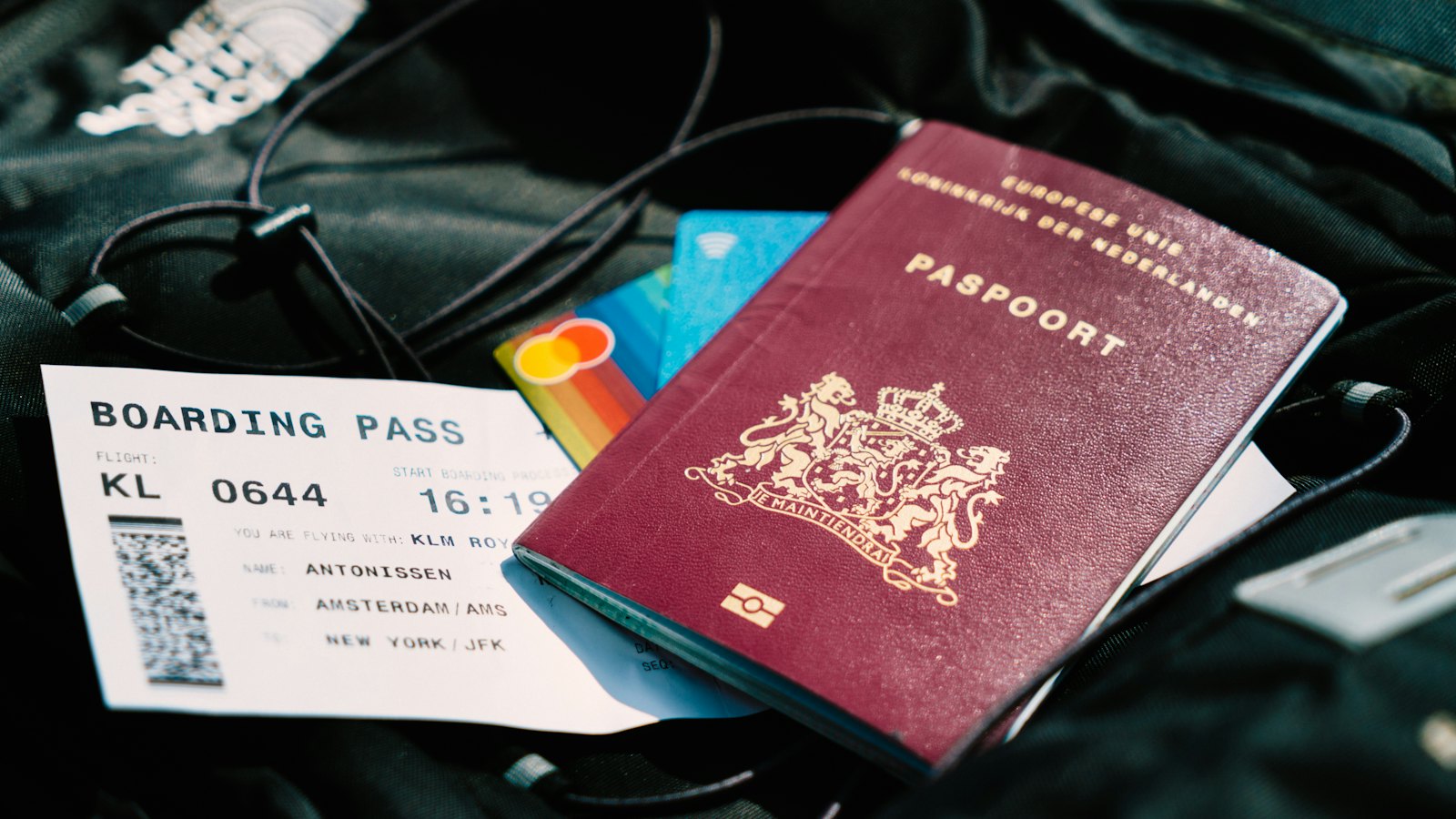
Visa, Travel and Relocation Scams
Guaranteed visas, fake immigration agents, copycat application websites and relocation packages that do not exist. How visa and relocation scams work and how to use official routes.

What Happens After You Report a Scam
Will anyone act on your scam report? What reports are actually used for, what you can realistically expect, how long things take and how to follow up.

What Is an Online Scam? A Plain-English Definition
A plain-English definition of an online scam, everyday examples of each main kind, and where scams end and hacking begins.

What to Tell Your Bank or Mobile Money Provider After a Scam
What to say when you call your bank or mobile money provider after a scam, the details to have ready, the questions to ask, and how to follow up in writing.

Why Scammers Ask for Gift Cards, Crypto and Mobile Money
Scammers prefer payments that are fast, hard to reverse and hard to trace. Why they ask for gift cards, crypto, wire transfers and mobile money, and how legitimate organizations actually ask to be paid.

Why Smart People Fall for Scams
Intelligence does not protect you from scams. Timing, stress, trust and distraction do the work. Why careful people get caught, and the habits that protect you better than being clever.

Work-From-Home Job Scams
Remote work is real, and so are fake remote jobs. How work-from-home scams use equipment fees, reshipping, fake cheques and data-entry schemes, and how to find genuine remote work safely.
Your First Hour After an Account Takeover
Someone has taken over one of your accounts. What to do in the first hour, in priority order: your email, your money, your contacts, then the account itself.

"Our Bank Details Have Changed": The Invoice Scam That Targets Accounts Teams
A supplier writes to say their bank account has changed. Sometimes it is true. Here is how invoice redirection fraud works, why it is so convincing, and a simple process that stops it.

A Cyber Security Checklist for Small and Growing Businesses
You do not need a security department to be hard to attack. Ten practical steps, most of them free, that protect a small or growing business from the attacks that actually happen.

Business Email Compromise: How One Email Redirects a Payment
Business email compromise needs no malware and no hacking skill, just a believable email to the person who moves money. Here is how it works and the controls that stop it.

Clicked a Phishing Link at Work? What to Do in the First 15 Minutes
Everyone clicks eventually. What happens next decides whether it becomes an incident. A calm, step-by-step guide for employees, and what security teams should make easy.

Deepfake Voice Calls: When "the CEO" Phones Finance
AI can now copy a voice from a few seconds of audio. Here is how attackers use cloned voices and faked video calls to authorise payments, and the verification habits that defeat them.

Fake IT Support Calls: When "the Helpdesk" Rings You
A friendly caller from "IT" says there is a problem with your account and walks you through fixing it. Here is how helpdesk impersonation works, why it succeeds, and the rules that stop it.

Fake Job Offers: Recruitment Scams That Borrow Real Company Names
Job seekers are targeted with offers that look real, from companies that are real, for jobs that do not exist. Here is how recruitment scams work, the red flags, and what employers can do when their name is used.
How Ransomware Gets In: The Three Doors Attackers Use Most
Ransomware rarely starts with anything dramatic. It usually starts with an email, a reused password or a system nobody updated. Here is how attackers get in, and the practical steps that keep them out.

How to Run Phishing Simulations Your Staff Won't Resent
Phishing simulations are one of the best ways to measure human risk, and one of the easiest to get wrong. Here is how to run them so your people learn, report more and trust the process.
MFA Fatigue: Why Attackers Spam Your Staff With Login Approvals
Multi-factor authentication stops most stolen-password attacks, unless someone taps Approve. Here is how push-bombing works and how to make sure your staff never approve a login they did not start.

Mobile Money Scams: "Wrong Transfer", Fake Agents and Approval Prompts
Mobile money has made payments easy for businesses and customers alike, and scammers have followed. Here are the most common mobile money tricks and the rules that keep your wallet safe.
Passwords Your Staff Will Remember and Attackers Won't Guess
Complex password rules produce passwords people forget, write down and reuse. Here is simpler advice that is actually more secure: length, uniqueness, a password manager and a second factor.
QR Code Phishing: The Link Your Email Filter Cannot Read
Attackers now hide phishing links inside QR codes, in emails, on posters and on parking meters. Here is why quishing slips past defences and how to check a code before you trust it.

Sent to the Wrong Person: Everyday Data Mistakes and How to Prevent Them
Not every data breach involves a hacker. Many start with an email sent to the wrong person, a shared link left open or a spreadsheet with a hidden tab. Here are the most common mistakes and simple habits that prevent them.

SIM Swap Fraud: When Your Phone Number Becomes Someone Else's Key
Your phone number unlocks your bank, your mobile money and your email. In a SIM swap, a fraudster takes it over. Here is how the attack works, the warning signs and how to protect yourself and your staff.
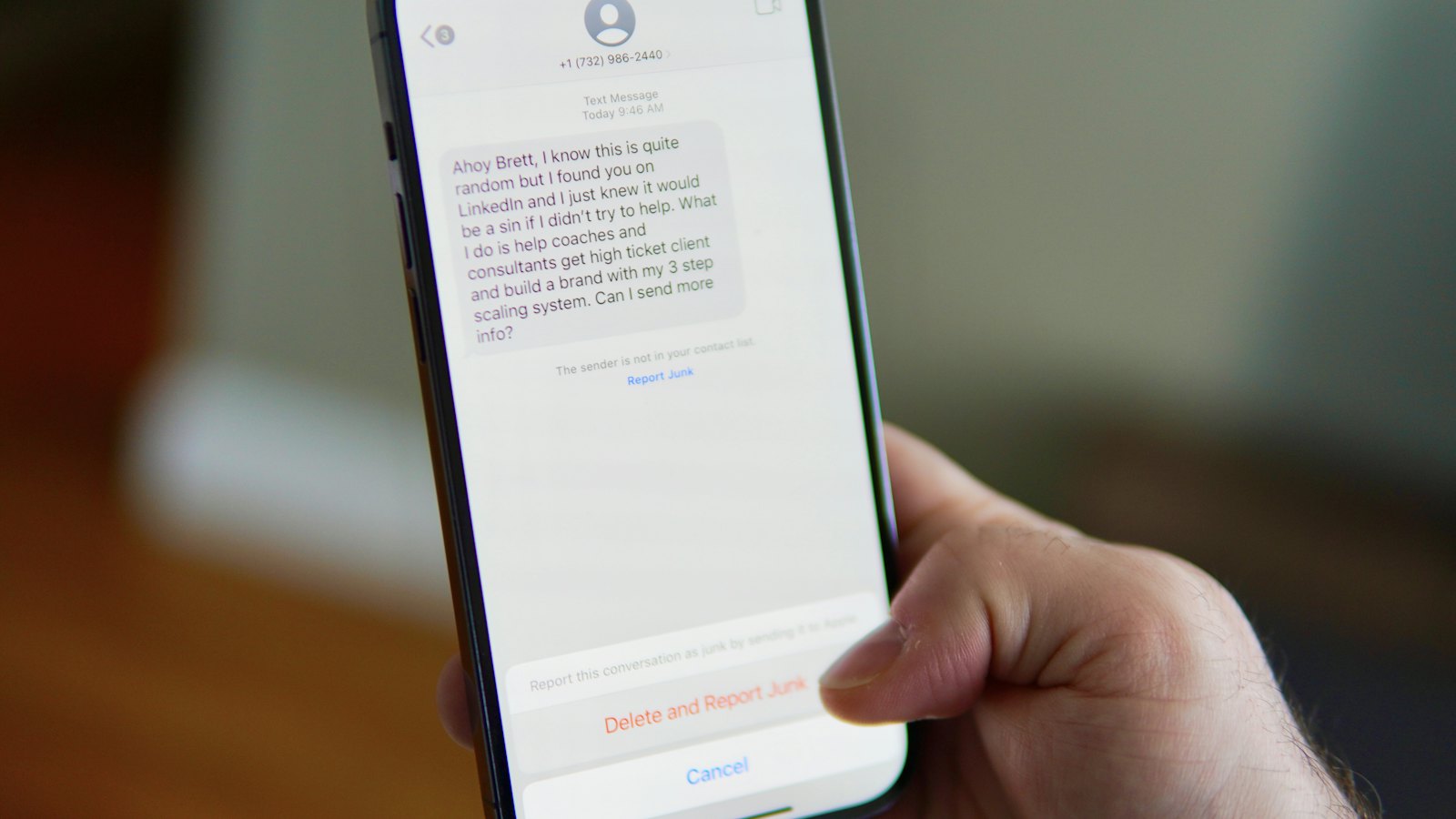
Smishing: The Text Message Scams That Look Like Your Bank, Your Courier and Your Family
Scam text messages are short, urgent and read on a small screen, which is exactly why they work. Here are the most common smishing tricks, the signs that give them away and what to do with a suspicious text.

Social Engineering: The Six Levers Attackers Pull on People
Every scam, whatever the channel, works by pulling the same few psychological levers. Learn to recognise authority, urgency, fear, helpfulness, curiosity and reward, and most attacks lose their grip.

The Complete Guide to Business Cybersecurity: Protecting Small Businesses From Digital Threats
The threats that hit small businesses, the foundations to put in place first, one-page policies, an incident plan, data protection and how to measure progress.
The Complete Guide to Identity Theft and Account Security
How identity theft and account takeover happen, the sign-in methods that stop them, what to do after a data breach, and how to recover if it happens.
The Complete Guide to Malware, Ransomware and Malicious Software
How malware and ransomware get onto phones and computers, the main types, the warning signs, how to prevent infection, and what to do if a device is infected.
The Complete Guide to Mobile Money, Banking and Financial Scams
How mobile money, bank, card, loan app and investment scams work, the warning signs, how to protect your money, and what to do in the first hour if it is taken.

The Complete Guide to Online Privacy and Personal Cybersecurity
Who collects your data and how, the settings that protect your privacy on phones, browsers and apps, public Wi-Fi and VPNs, data brokers, and your rights.

The Complete Guide to Online Shopping Scams and Payment Fraud
How to spot fake online shops, marketplace scams and payment fraud, which payment methods protect you, and what to do if a purchase goes wrong.

The Complete Guide to Phishing: How to Recognize and Stop Email, SMS and Online Attacks
What phishing is, every common type, how to read a link and check an email, why passkeys help, how to report phishing, and what to do if you clicked.

The Complete Guide to Social Media Scams: Facebook, Instagram, TikTok and Beyond
How scams reach you on Facebook, Instagram, TikTok, X and LinkedIn, the common types, how to check a profile or advert, and what to do if you are hacked.
The Complete Guide to WhatsApp Scams: Every Warning Sign, Scam Type and Protection Method
How WhatsApp scams work, from stolen accounts and fake relatives to job and investment groups, the settings that protect you, and what to do if you are caught.

What Is Human Risk Management, and Why Your Security Score Needs It
Firewalls and antivirus protect machines, but most attacks target people. Human risk management measures how your staff actually respond to threats and improves it over time. Here is what it is and how to start.

Why Annual Security Training Fails, and What Works Instead
A yearly slideshow ticks a compliance box but rarely changes what people do when a real attack arrives. Here is what effective security awareness looks like, and how to tell whether yours is working.

Working From Hotels, Airports and Cafés: Staying Secure on the Road
Travel puts staff on unfamiliar networks, in public places, with devices that are easy to lose. A practical guide to working securely away from the office, for travellers and the teams that support them.

AI Cryptocurrency Trading Scams & Fraud Detection Guide
Learn how to detect AI cryptocurrency trading scams and fraud. Protect your money from fake trading bots, signal sellers, and automated trading fraud schemes.

AI Investment Scams & Fraud Detection: Protect Your Money
Discover how scammers use artificial intelligence for investment fraud. Learn to identify AI investment scams, deepfakes, and fake financial advisors.

How to Check if a Website is Fake or Legit (2026 Guide)
Scammers build fake websites that look exactly like real ones. Learn the 10 signs of a fake website and how to verify any site before entering your details.

How to Tell if a WhatsApp Message is a Scam
Learn the warning signs of WhatsApp scams — from fake prize messages to family emergency fraud. Includes real examples and how to protect yourself.

Top 10 Online Scams in 2026 (And How to Avoid Them)
Cybercriminals are more sophisticated than ever. Here are the top 10 online scams targeting people worldwide in 2026, with real examples and how to protect yourself.
How to Spot a Phishing Email Before It's Too Late
Phishing emails cost people billions every year. Learn the exact signs that reveal a fake email — and what to do if you've already clicked.
How to Tell If a Website Is Fake in 30 Seconds
Fake websites are getting harder to spot. Here's a quick checklist to verify any website before you enter your details or make a payment.
No articles on that topic yet.
Your people get these messages at work too.
CyberWatch AI sends your staff realistic practice attacks, trains the gaps it finds, and shows management exactly where the organization stands.