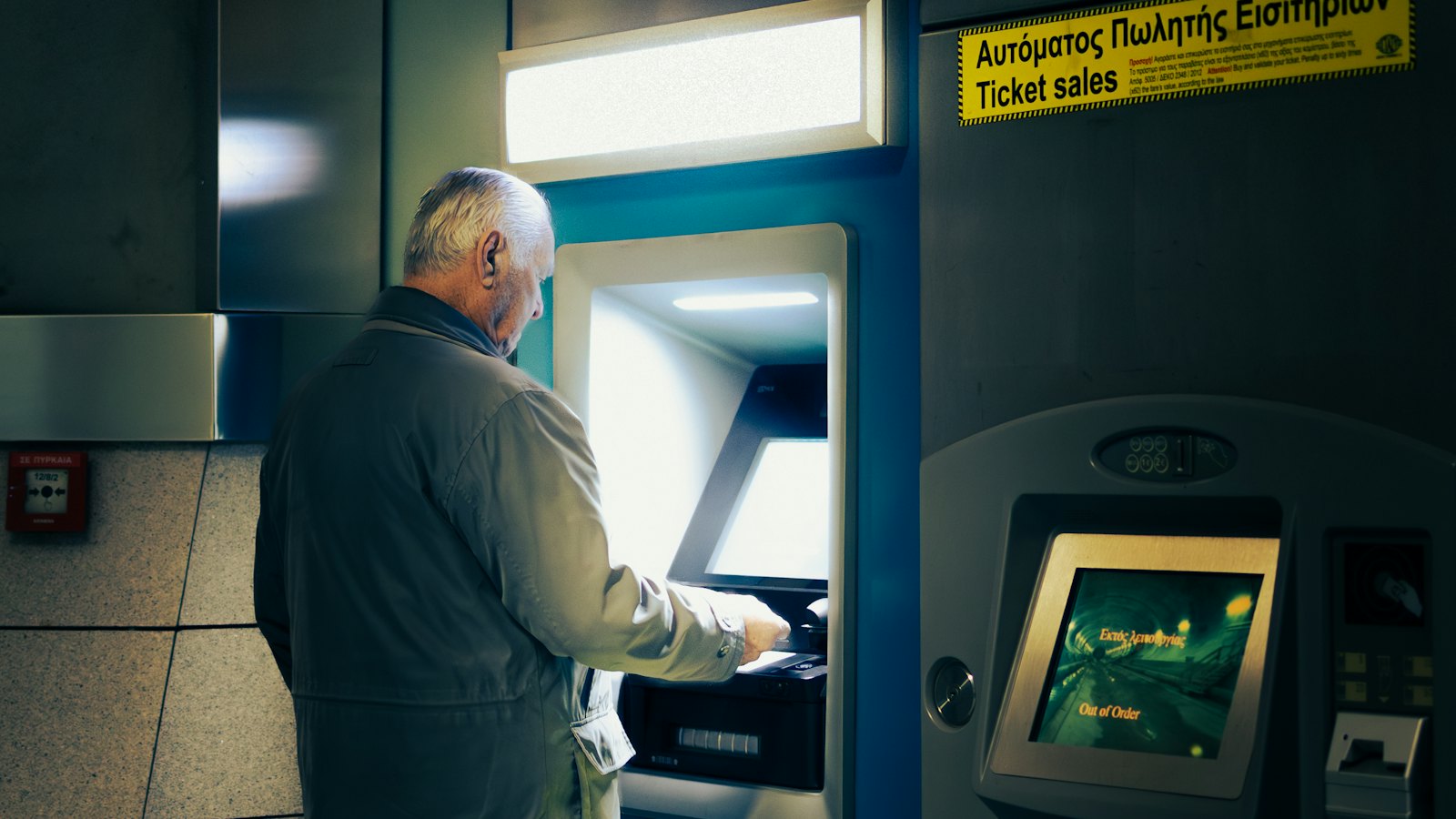
ATM Skimming: How to Spot a Tampered Machine
Skimmers copy your card at the slot, and hidden cameras or fake keypads capture your PIN. How ATM skimming works, the signs of a tampered machine, and safer ATM habits.

Skimming turns an ordinary cash machine into a card-copying device. A fake slot reads your card, and a tiny camera or overlay keypad records your PIN. Later, criminals use the copied card and PIN to withdraw your money.
Signs of a tampered machine
- A card slot that sticks out, wobbles or looks different from others nearby.
- A keypad that feels thick, spongy or raised.
- Small holes, extra panels or strips above the keypad that could hide a camera.
- Glue marks, scratches or loose parts.
- The machine keeps your card, and a "helpful" stranger appears. See card swap scams.
Safer ATM habits
- Use machines inside bank branches or busy, well-lit places.
- Give the slot and keypad a gentle tug before using them.
- Always cover the keypad with your other hand. See protecting your PIN.
- Use contactless or app-based cash withdrawal where your bank offers it.
- Turn on transaction alerts. See bank alerts.
If a machine keeps your card, stay at the machine and call your bank's number from your phone. Do not accept help from strangers.
If you spot strange withdrawals, see lost or stolen card: first steps. For more, see how to protect your money.
Frequently asked questions
What does a skimmer do?
It reads the data from your card's magnetic stripe as you insert it, while a camera or fake keypad captures your PIN.
Do chip cards stop skimming?
Chips make copied cards harder to use in many places, but stolen data can still be used where magnetic stripes are accepted. Covering your PIN remains essential.
What should I do if I suspect a machine?
Don't use it. Tell the bank or shop that owns it, and use another machine.
Sources
- Lost or Stolen Credit, ATM, and Debit Cards, US Federal Trade Commission
- Avoid Scams When You Travel, US Federal Trade Commission
- Take Five to Stop Fraud, Take Five (UK Finance)