ATM Card Swap and Distraction Scams
A friendly stranger offers help at the ATM, watches your PIN and swaps your card. How distraction and card swap scams work, and how to protect yourself at the machine.

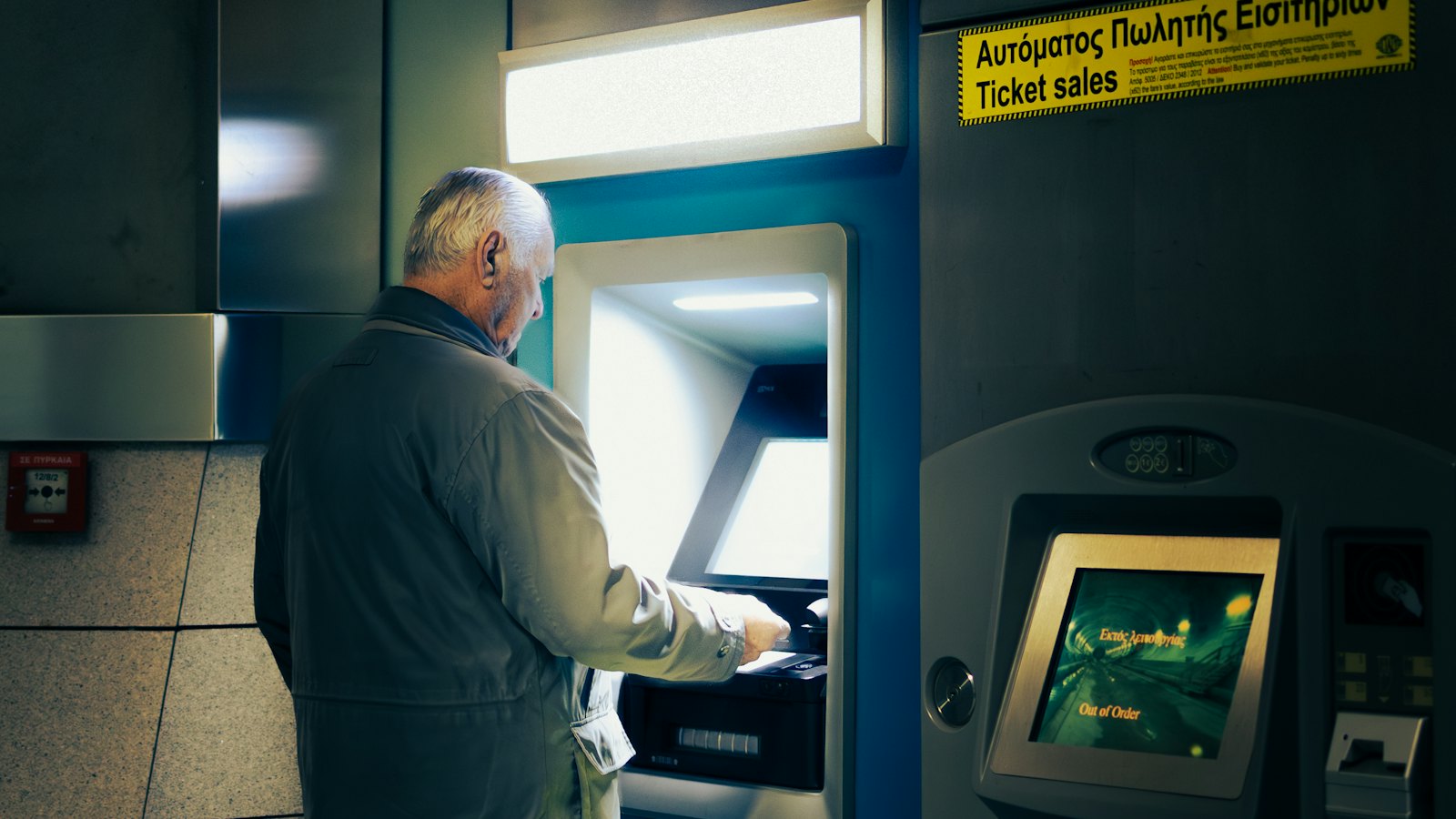
Not every ATM fraud needs technology. Some rely only on distraction: a stranger who offers help, points to money on the floor, or stands close while you type your PIN. In seconds your card is swapped and your PIN is known.
Common tricks
- The helper: "That machine is tricky, let me show you." They watch your PIN and swap your card.
- The dropped note: "Is that your money?" You look down; your card disappears.
- The stuck card: a device traps your card; a helper suggests re-entering your PIN while they watch. See ATM skimming.
- The queue watcher: someone stands too close behind you.
How to protect yourself
- Politely refuse help from strangers at the machine.
- Cover your PIN every time. See protecting your PIN.
- Keep your eyes and a hand on your card until it is back in your wallet.
- Check the card you take is yours: name and last digits.
- If anything feels wrong, cancel and leave.
If your card is kept or taken, call your bank from the machine to block it immediately.
Next steps: lost or stolen card: the first 15 minutes. Related: bank fraud targeting older customers. For more, see how to protect your money.
Frequently asked questions
How does a card swap happen?
While you are distracted, the scammer switches your card for a similar-looking one. You leave with the wrong card, and they use yours with the PIN they watched.
What if someone says I dropped money?
It may be a distraction. Keep your hand on your card and finish your transaction first.
How quickly should I act if my card is taken?
Immediately. Call your bank to block the card before leaving the machine if you can.
Sources
- Lost or Stolen Credit, ATM, and Debit Cards, US Federal Trade Commission
- Take Five to Stop Fraud, Take Five (UK Finance)
- Avoid Scams When You Travel, US Federal Trade Commission