Protecting Your PIN at ATMs and POS Terminals
Your card PIN is the key that makes a stolen card useful. Simple habits for covering the keypad, spotting watchers and keeping control of your card at ATMs and shop terminals.

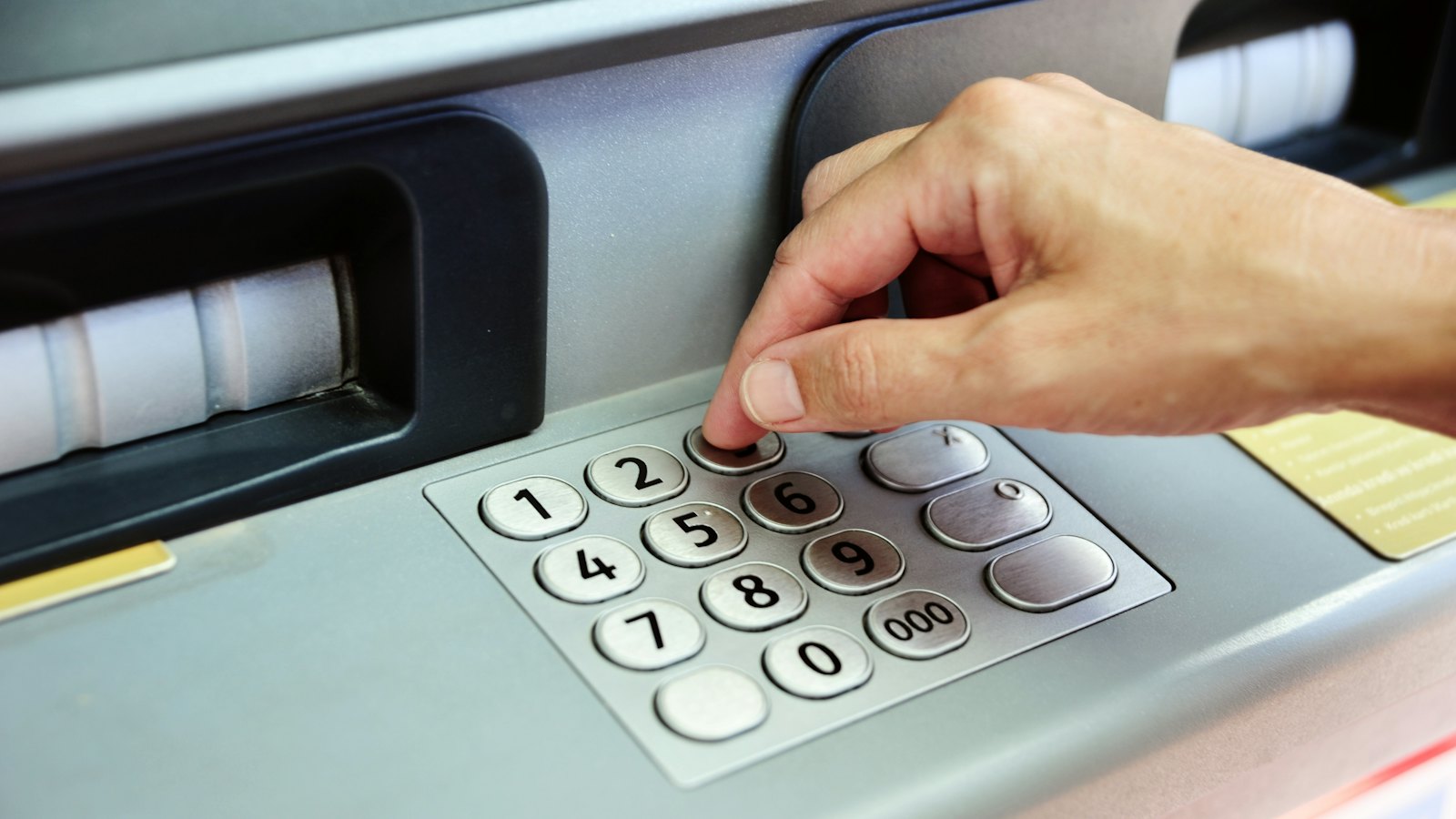
A stolen card is much less useful without its PIN. That is why criminals work so hard to see you type it: hidden cameras, fake keypads and people standing close. A few habits keep your PIN yours.
At the ATM
- Cover the keypad with your other hand or your purse every time.
- Check nobody is standing close behind or beside you.
- Look for signs of tampering. See ATM skimming.
- Refuse help from strangers. See card swap scams.
At shop terminals
- Hold the terminal yourself and shield the keypad.
- Never say your PIN aloud or let staff type it.
- Keep your card in sight. See POS terminal tricks.
- Use contactless or phone payments where you can; they reduce PIN use. See contactless myths and risks.
Choosing and keeping a PIN
- Avoid birthdays, repeated digits and sequences.
- Use different PINs for different cards and your mobile money. See choosing a PIN.
- Never keep it written with your card.
If someone may have seen your PIN, change it at your bank's ATM or app straight away.
For more, see how to protect your money.
Frequently asked questions
Is covering the keypad really necessary?
Yes. Hidden cameras and people nearby can capture your PIN, and a PIN plus a stolen or copied card is enough to take money.
Should I write my PIN down?
Never keep it with your card. If you must note it, disguise it and keep it somewhere separate.
Can a shop ask for my PIN?
Staff should never ask you to say your PIN or type it for you. You enter it yourself, privately.
Sources
- Lost or Stolen Credit, ATM, and Debit Cards, US Federal Trade Commission
- Take Five to Stop Fraud, Take Five (UK Finance)
- Credit Card Loss Protection, US Federal Trade Commission