Contactless Payments: Myths and Real Risks
Can someone steal from your card by walking past with a reader? What contactless fraud is realistic, what is mostly myth, and simple settings that keep tap-to-pay safe.

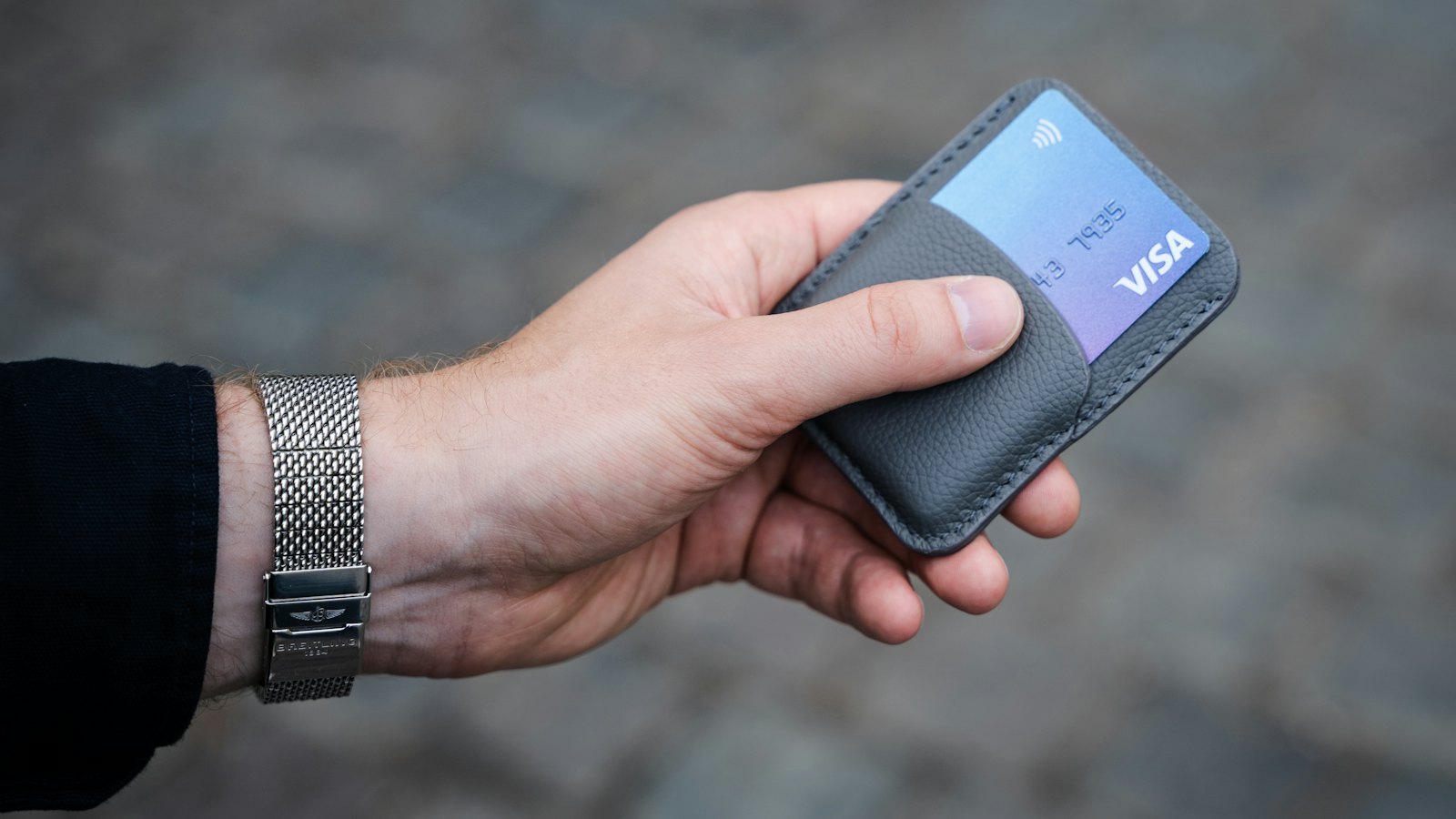
Videos of people "stealing" from cards with a reader in a crowd go viral regularly. The reality is less dramatic. Contactless payments carry some real risks, but most are simple to manage.
Myths and reality
| Claim | Reality |
|---|---|
| "Thieves can drain your card by walking past." | They would need to be very close, and contactless limits cap each payment. It is rarely reported compared with other fraud. |
| "Contactless reveals everything about your card." | Contactless transactions use one-time data that is hard to reuse for online purchases. |
| "A lost contactless card can be used freely." | This is the real risk: small payments can be made until you freeze it. |
What actually protects you
- Freeze a lost card immediately in your app. See the first 15 minutes.
- Alerts for every payment. See alerts and limits.
- Phone or watch payments, which need your fingerprint, face or passcode.
- Card controls to turn contactless off if you prefer.
Watch the terminal: check the amount before you tap. See POS terminal tricks.
For more, see how to protect your money.
Frequently asked questions
Can someone steal money by tapping a reader near my pocket?
It is rarely reported and limited by contactless spending limits and the need to be very close. Lost or stolen cards are a far bigger risk.
Is paying with my phone safer than tapping my card?
Phone and watch payments usually need your fingerprint, face or passcode and use a token instead of your card number, which adds protection.
Do I need an RFID-blocking wallet?
It is optional. The more important steps are alerts, quickly reporting a lost card, and using card controls.
Sources
- Lost or Stolen Credit, ATM, and Debit Cards, US Federal Trade Commission
- Credit Card Loss Protection, US Federal Trade Commission
- Mobile Payment Apps: How To Avoid a Scam When You Use One, US Federal Trade Commission