Seasonal Scams: Holidays, Back to School and Tax Season
Scammers follow the calendar. A month-by-month guide to seasonal scam themes, from holiday shopping and travel to tax season, back to school and festival giving.

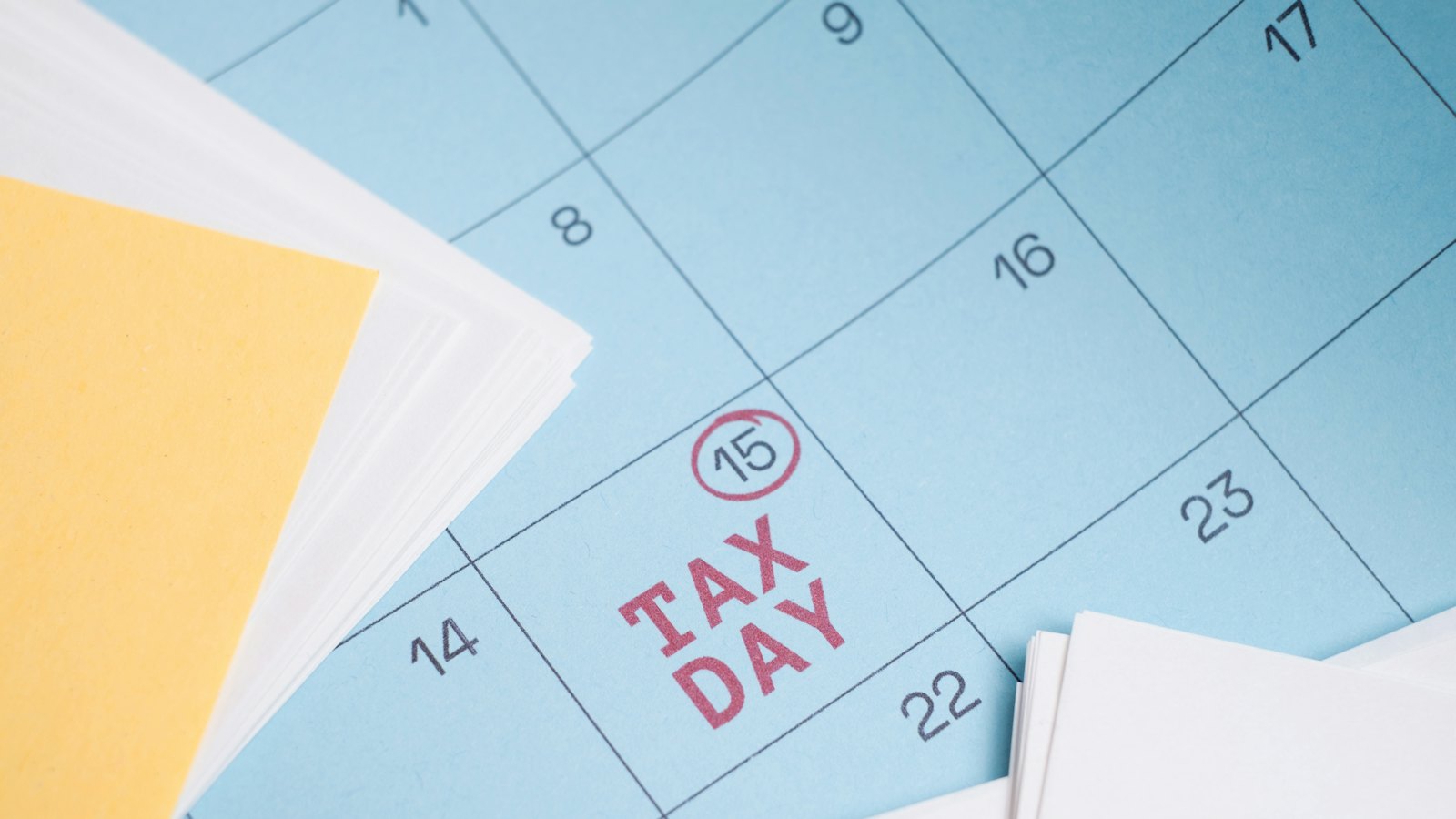
Scammers read the calendar. When people are shopping, the fake shops appear. When they are travelling, the fake bookings follow. When tax is due, the fake tax office calls. Knowing the seasonal pattern helps you expect the scam before it arrives. Dates vary by country, so use the themes below alongside your own local calendar.
A seasonal calendar of scams
| Season or event | Scams to watch for |
|---|---|
| New year | Fitness and diet subscription traps, fake job offers for the new year, "new year promo" prize messages. |
| Tax season | Fake refunds, fake penalty calls, tax identity theft. See tax impersonation scams. |
| Valentine's Day | Romance scams, fake flower and gift shops, dating app scams. |
| Religious festivals | Fake charity appeals and giving links, fake leader messages. See fake charity scams. |
| Holiday and travel seasons | Fake bookings, cheap flights, rental scams. See travel booking scams. |
| Exam results and admissions | Fake scholarships, fake admission offers and placement fees. See scams targeting students. |
| Back to school | Fake school fee payment details, uniform and book "deals", student accommodation scams. |
| Major sporting events | Fake tickets, streaming sites that install malware, betting scams. |
| Big shopping days and year-end holidays | Fake shops, fake delivery texts, gift card scams, fake giveaways. |
| Year end at work | Fake invoices and changed bank details as businesses close books. See invoice fraud. |
Why seasonal scams work
- Relevance: a delivery text during peak shopping season matches what you are expecting.
- Busyness: people are rushed and distracted around holidays and deadlines.
- Emotion: generosity, excitement and stress are all higher at key times.
- Deadlines: tax dates and school terms create real urgency that scammers borrow.
hxxps://redelivery-holiday-post[.]com- Timed for a season when many people are expecting parcels.
- A small fee that collects full card details.
- What to do: check your order through the retailer or courier's official app.
Seasonal habits that protect you
- Before a busy season, remind family members about the scams that usually appear.
- Track orders and bookings only through official apps and websites.
- Pay by card or protected methods when shopping.
- Give to charities you have checked, through their official sites.
- Check any payment detail changes, such as school fees or supplier accounts, by calling a number you know.
Got a seasonal offer or message? Paste it into CyberWatch AI Scan for a free check.
Scammers also borrow headlines; see election and current-events scams. For more, read the complete guide to online scams.
Frequently asked questions
Why do scams change with the seasons?
Scammers match their stories to what people are already doing: shopping, travelling, paying taxes, applying to schools or giving to charity. A relevant message is more likely to be believed.
When are shopping scams most common?
Around major shopping periods and holidays, when people are buying more, expecting deliveries and looking for deals.
Do seasonal scams differ by country?
The themes are similar everywhere, but the timing follows local calendars: tax deadlines, school years, and national and religious holidays.
Sources
- Online Shopping, US Federal Trade Commission
- Avoid Scams When You Travel, US Federal Trade Commission
- What To Know About Tax Identity Theft, US Federal Trade Commission