Spotting Unauthorised Card Charges Early
Fraudsters often start with small test charges. How to spot unauthorised card use early with alerts and quick statement checks, and what to do the moment you find one.

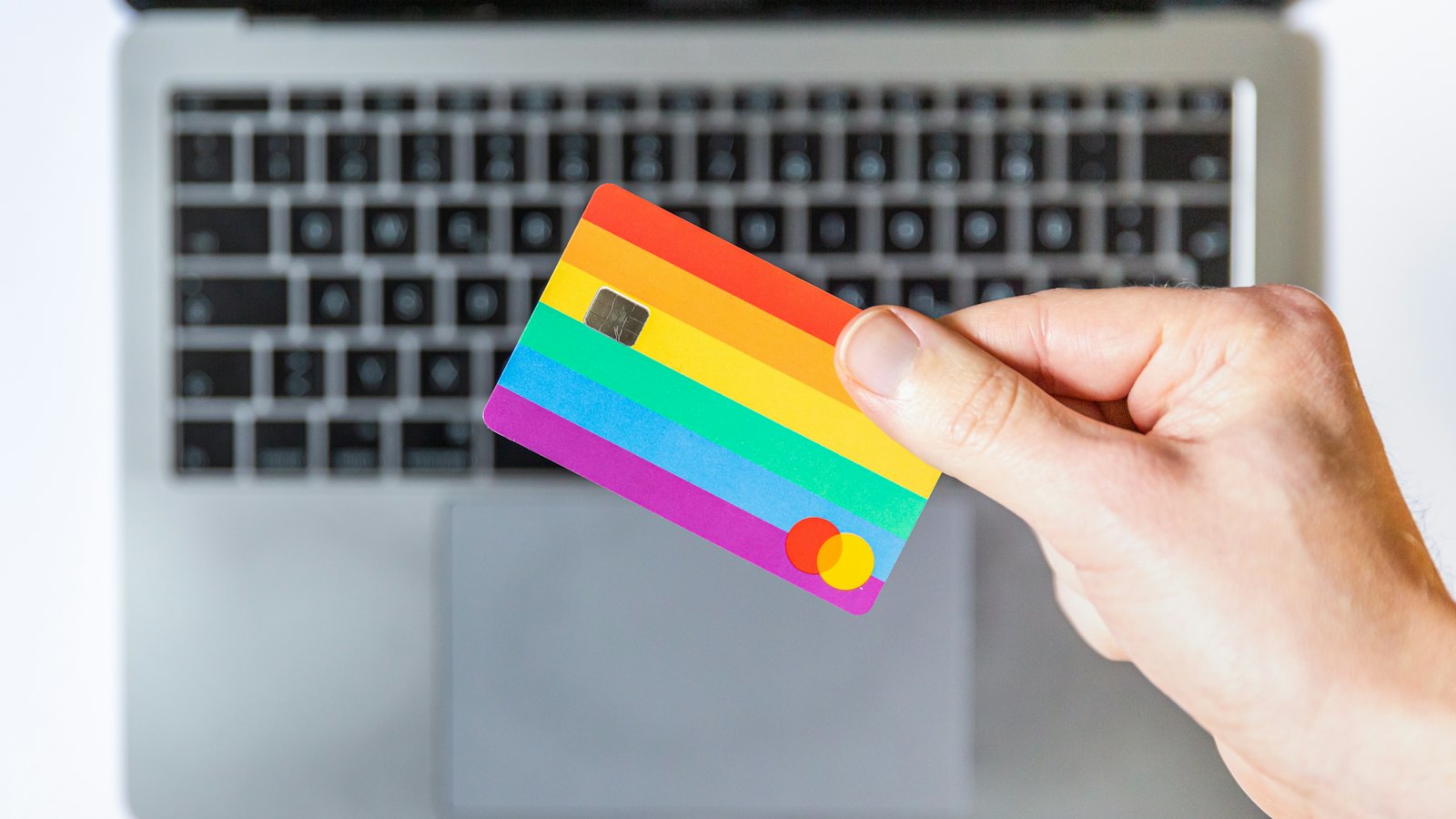
Card fraud rarely starts with a big purchase. Criminals often test a stolen card with a tiny charge first. If you spot it, you can stop the card before the real spending begins.
Early warning tools
- Instant alerts for every card transaction. See setting up alerts.
- A weekly two-minute check of recent transactions in your app.
- Codes you did not request for online payments.
What unauthorised charges look like
- Very small amounts from merchants you do not know.
- Foreign currency purchases when you have not travelled.
- Several charges in quick succession.
- Subscriptions you never signed up for.
What to do
- Freeze the card in your app.
- Check whether the charge could be yours: search the merchant name, check receipts.
- If not, call your issuer and dispute. See disputing a card transaction.
- Ask for a new card number.
- Think about where the details leaked. See card-not-present fraud.
Merchant names can be confusing. The name on your statement may be a parent company or payment processor. Checking first avoids disputing a genuine purchase.
For more, see how to protect your money.
Frequently asked questions
What is a test charge?
A tiny payment, sometimes a refund-like amount, that criminals use to check a stolen card works before bigger purchases.
I don't recognise a charge but it might be a subscription. What should I do?
Search the merchant name shown, check your emails for receipts, and ask your bank for details before disputing.
How quickly must I report?
As soon as possible. Protections and time limits vary, and quick reports are more likely to succeed.
Sources
- Using Credit Cards and Disputing Charges, US Federal Trade Commission
- Lost or Stolen Credit, ATM, and Debit Cards, US Federal Trade Commission
- Credit Card Loss Protection, US Federal Trade Commission