How to Dispute a Card Transaction
Unauthorised charges, goods not received or double charges can often be disputed with your card issuer. How chargebacks work, what evidence helps, and why speed matters.

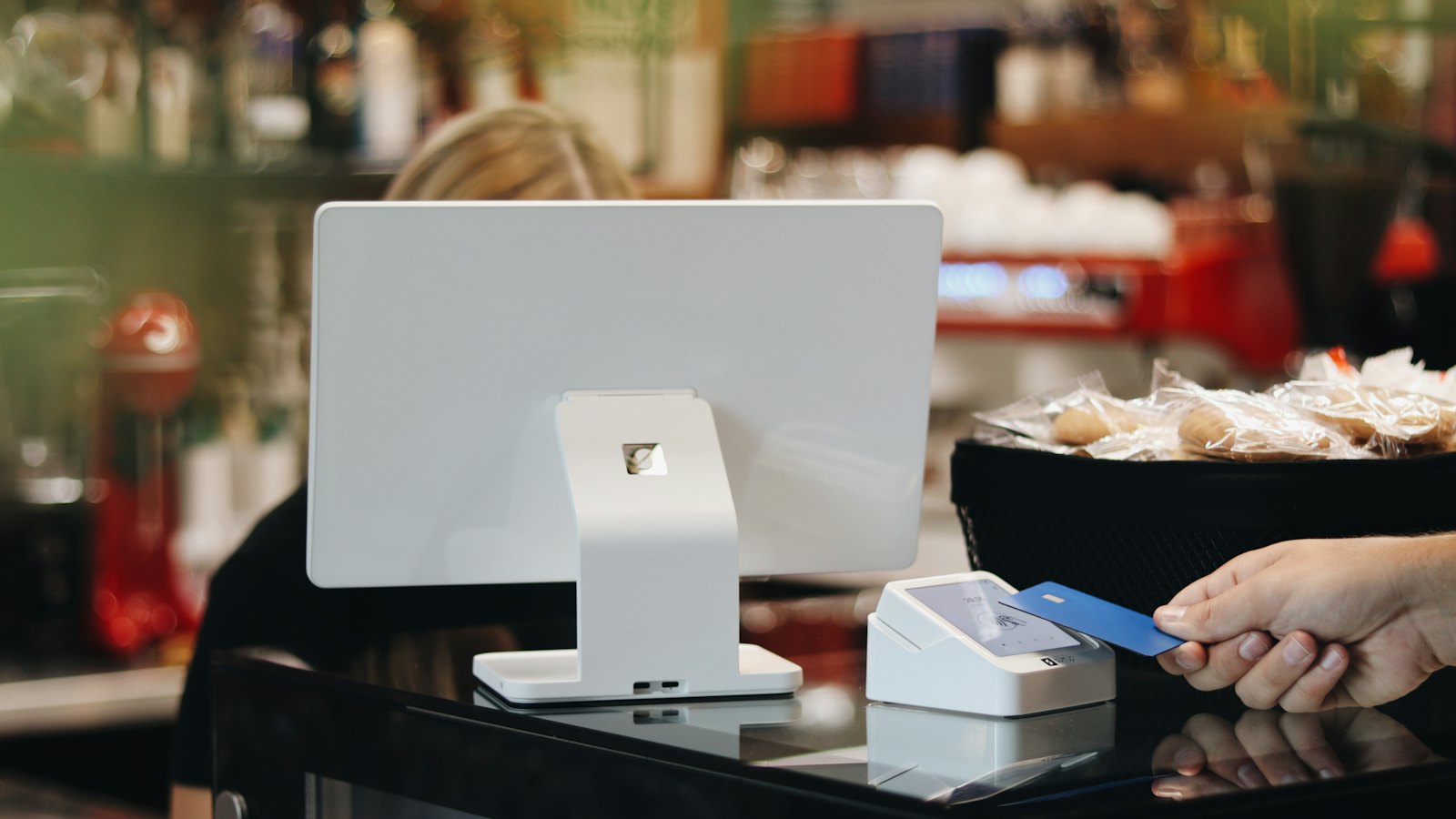
Card payments come with an important protection: in many cases you can ask your card issuer to investigate and reverse a charge. It works best when you act quickly and have evidence.
When you can usually dispute
- Charges you did not make. See card-not-present fraud.
- Goods or services not received, including from fake shops.
- Items significantly different from what was described.
- Double charges or wrong amounts. See POS tricks.
- Subscriptions charged after you cancelled.
How to dispute
- For unauthorised charges, freeze the card first. See blocking your card.
- For merchant problems, contact the merchant first and keep records.
- Contact your card issuer through the app or official number and explain.
- Provide evidence: receipts, screenshots, messages, delivery tracking.
- Follow up in writing and keep a copy.
Speed matters. Time limits apply. Report as soon as you notice a problem, even if you are still gathering evidence.
Related: spotting unauthorised charges. For more, see what to do if money is taken.
Frequently asked questions
What is a chargeback?
A process where your card issuer reverses a transaction, for example because it was unauthorised or goods were not delivered, after investigating.
Is there a time limit?
Yes, and it varies by country, card scheme and issuer. Report as soon as you notice a problem.
Can I dispute a payment I made to a scammer?
Card payments to fake shops may be disputable. Bank transfers and mobile money usually follow different rules; contact your provider quickly.
Sources
- Using Credit Cards and Disputing Charges, US Federal Trade Commission
- Sample Letter for Disputing Credit and Debit Card Charges, US Federal Trade Commission
- Credit Card Loss Protection, US Federal Trade Commission