Shredding and Disposing of Personal Documents
Bank statements, bills and letters thrown away whole can be used for identity fraud. Which documents to shred, which to keep, and how to dispose of paper and old devices safely.

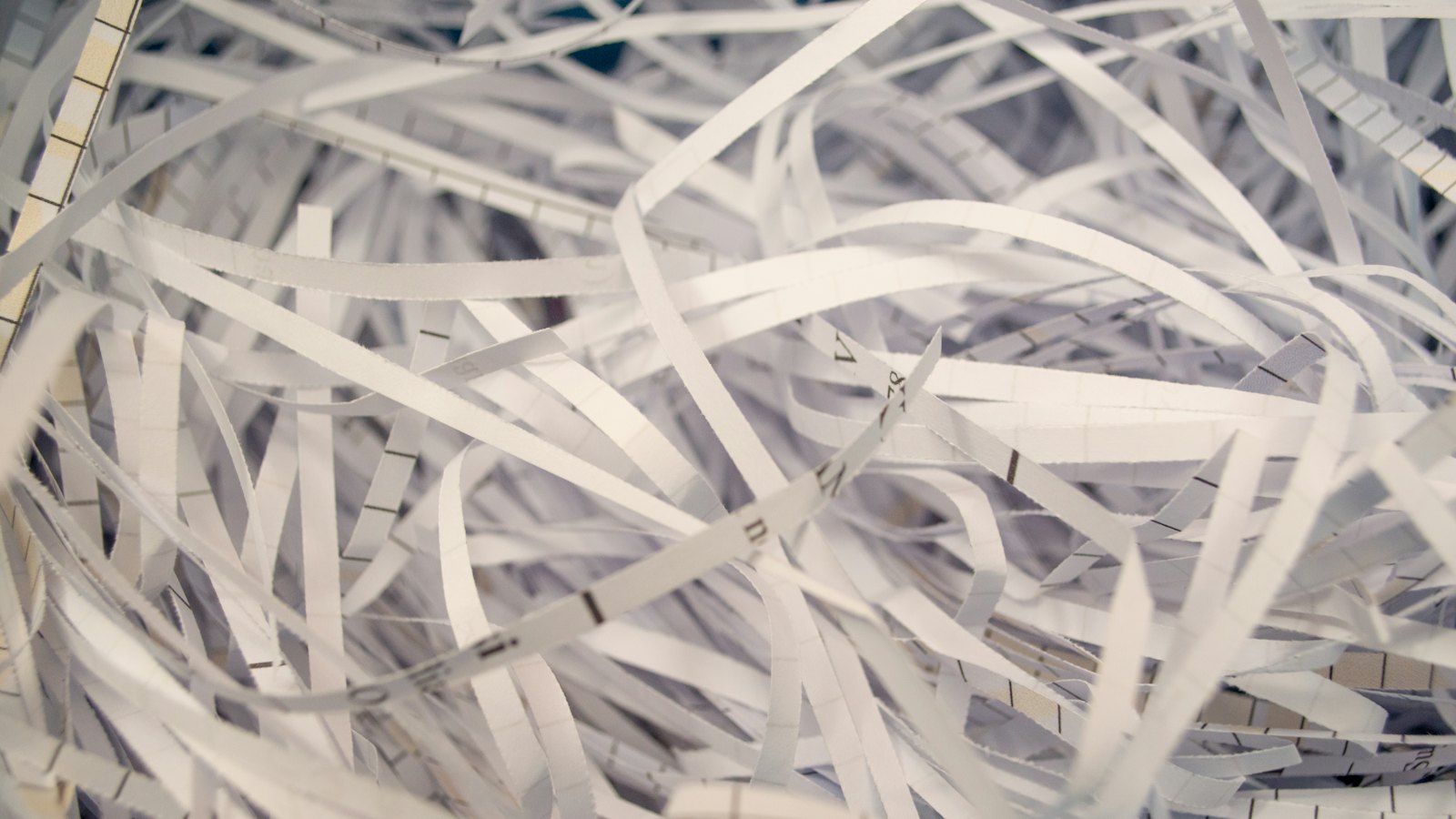
Not all identity theft happens online. Bins and recycling can hold statements, bills, payslips and letters full of personal details. A few habits keep paper from becoming the weak point.
What to shred
- Bank, card and mobile money statements
- Utility and phone bills
- Payslips, tax documents you no longer need
- Medical and insurance papers
- Letters with account or ID numbers
- Pre-approved credit and loan offers
- Old cards, cheque books and receipts with card details
- Travel documents, boarding passes and luggage tags
- Labels on parcels and prescription packaging
What to keep safe
- Birth, marriage and death certificates
- Passports and ID documents
- Property and legal documents
- Tax records for as long as your country requires
Store these in a secure place at home, and consider scanning them into an encrypted vault.
How to dispose of documents
| Method | Notes |
|---|---|
| Cross-cut shredder | Best for home use. Strip-cut shredders are weaker. |
| Shredding service | Useful for large amounts; some communities run free shredding days. |
| Tear and separate | If no shredder, tear into small pieces and split across bags. |
Go paperless carefully
Paperless statements reduce paper risk, but move the risk to your email and accounts. Protect them with unique passwords and two-step verification. See securing your email.
Devices count too
Old phones, laptops and memory cards hold even more personal data. Wipe them properly before disposal. See selling or giving away an old phone.
Also watch your post. Stolen mail provides the same details. See mail and post theft.
Got a letter or message you are unsure about? Paste the text into CyberWatch AI Scan for a free check.
For more, read about protecting your identity in our complete guide.
Frequently asked questions
Do I need a shredder?
A cross-cut shredder is the easiest option. Without one, tear documents into small pieces, separate sensitive parts, or use a trusted shredding service.
What should I shred?
Anything with account numbers, ID numbers, signatures, dates of birth, or financial, medical or tax details, plus pre-approved credit offers.
How long should I keep documents?
It depends on your country's tax and legal rules. Keep tax and property records as long as they may be needed, and shred routine statements once you no longer need them.
Sources
- Shredding infographic, US Federal Trade Commission
- How To Organize Your Important Papers Before Disaster Strikes, US Federal Trade Commission
- What To Know About Identity Theft, US Federal Trade Commission