Screen-Sharing Scams on Video Calls
Scammers ask you to share your screen on WhatsApp, Zoom or other video calls to "help" you. What they can see and capture, including codes and banking details, and how to share safely.

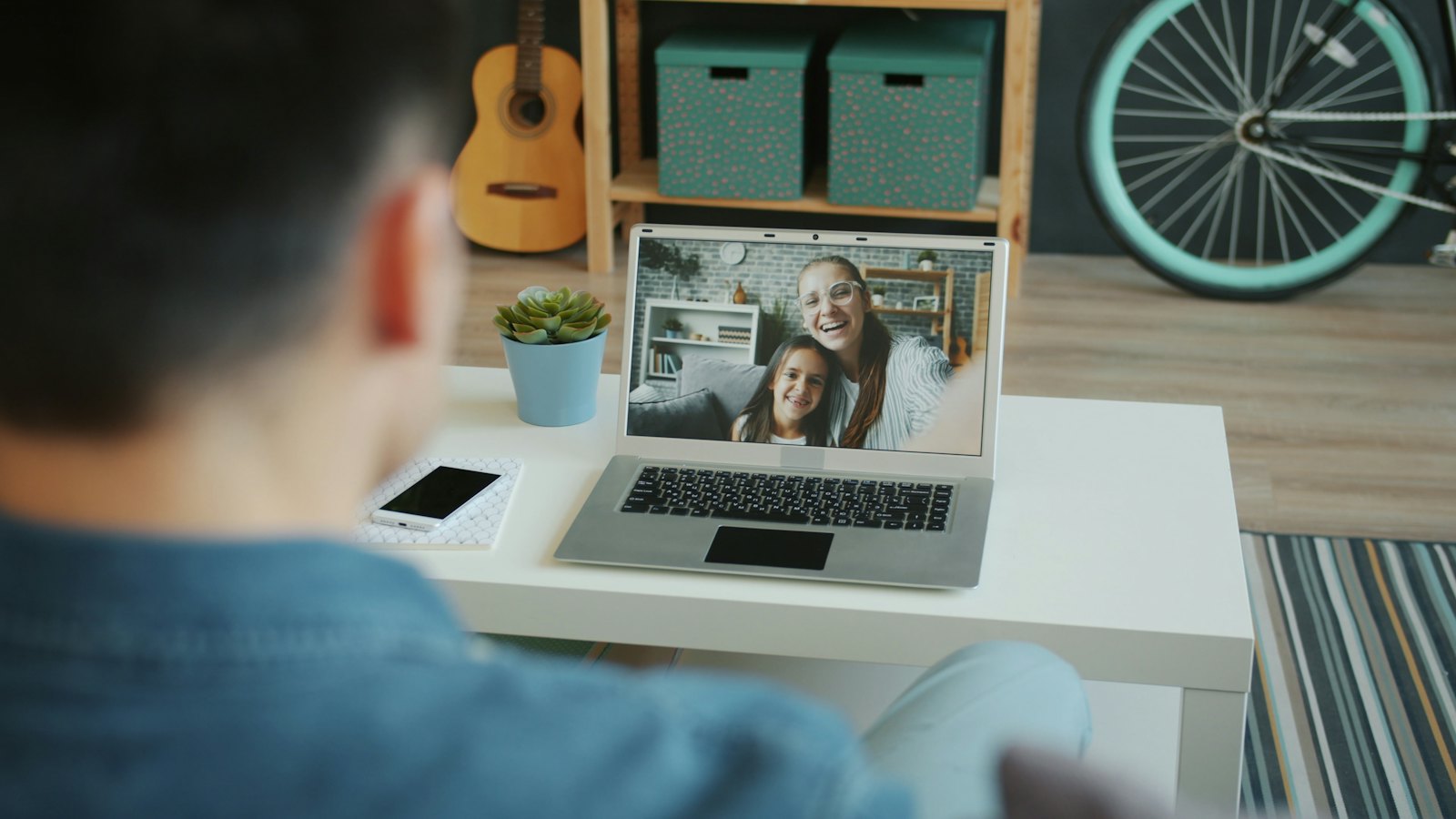
Screen sharing is built into WhatsApp, Zoom, Teams, Meet and most video apps. It is useful for work and for helping family with technology. Scammers have noticed. They ask victims to share their screen during a call, often while "helping" with a bank problem, a refund, an investment account or a job onboarding, and then watch as codes, passwords and account details appear.
What a scammer can see
- One-time codes arriving as notifications at the top of your screen.
- Banking and payment apps you open while sharing, including balances and account numbers.
- Messages and emails, including password reset links.
- Personal details in forms, documents and photos.
- What you type, if the field shows it.
They can record the call or take screenshots without you knowing.
If a stranger asks you to share your screen, say no. Banks, government agencies and genuine support staff do not need to see your screen to help you.
How the scam unfolds
- A call from "your bank", "customer care", a "recruiter" or an "investment manager", often on WhatsApp.
- A problem that needs "guidance": a blocked account, a refund, verifying your identity, setting up an app.
- "To guide you step by step, please tap share screen."
- They ask you to open your banking app or request a code "to verify", and watch it arrive.
- Money moves or accounts are taken over, sometimes while you are still on the call.
- A request to share your screen with a stranger.
- "You don't need to tell me the code": they can see it.
- A bank that contacts you on WhatsApp video.
How to share your screen safely
- Only share with people you know and trust, for a clear reason.
- Share a single window or app, not the whole screen, where possible.
- Turn on "do not disturb" to hide notifications before sharing.
- Close banking, email and messaging apps first.
- Stop sharing as soon as you are done.
If you shared your screen with a scammer
- End the call and stop sharing.
- Call your bank using the number on your card and explain what they may have seen.
- Change passwords for any accounts that were visible, starting with email, and turn on two-step verification.
- Check your devices for apps you were asked to install. See what to do after giving a scammer remote access.
- Report it; see how to report a scam.
Got a request to share your screen? Describe it in CyberWatch AI Scan for a free second opinion.
Screen sharing is closely related to remote access app scams. For the bigger picture of how online scams work, read our complete guide.
Frequently asked questions
What can someone see when I share my screen?
Everything that appears on the shared screen or window, including notifications with one-time codes, banking apps you open, messages and passwords shown as you type if the field is visible.
Can they control my phone through screen sharing?
Standard screen sharing on video calls shows your screen but does not give control. However, what they see, such as codes and account details, can be enough to take over accounts. Remote access apps can give control.
Is screen sharing ever safe?
Yes, with people you know and trust, for a clear purpose, sharing only a single window and closing sensitive apps and notifications first.
Sources
- How To Spot, Avoid, and Report Tech Support Scams, US Federal Trade Commission
- About suspicious messages and scams, WhatsApp Help Center
- How To Protect Your Phone From Hackers, US Federal Trade Commission