Land and Real Estate Investment Scams
Plots sold twice, forged title documents, off-plan projects that never start: how land and real estate scams work, and the verification steps before paying anything.

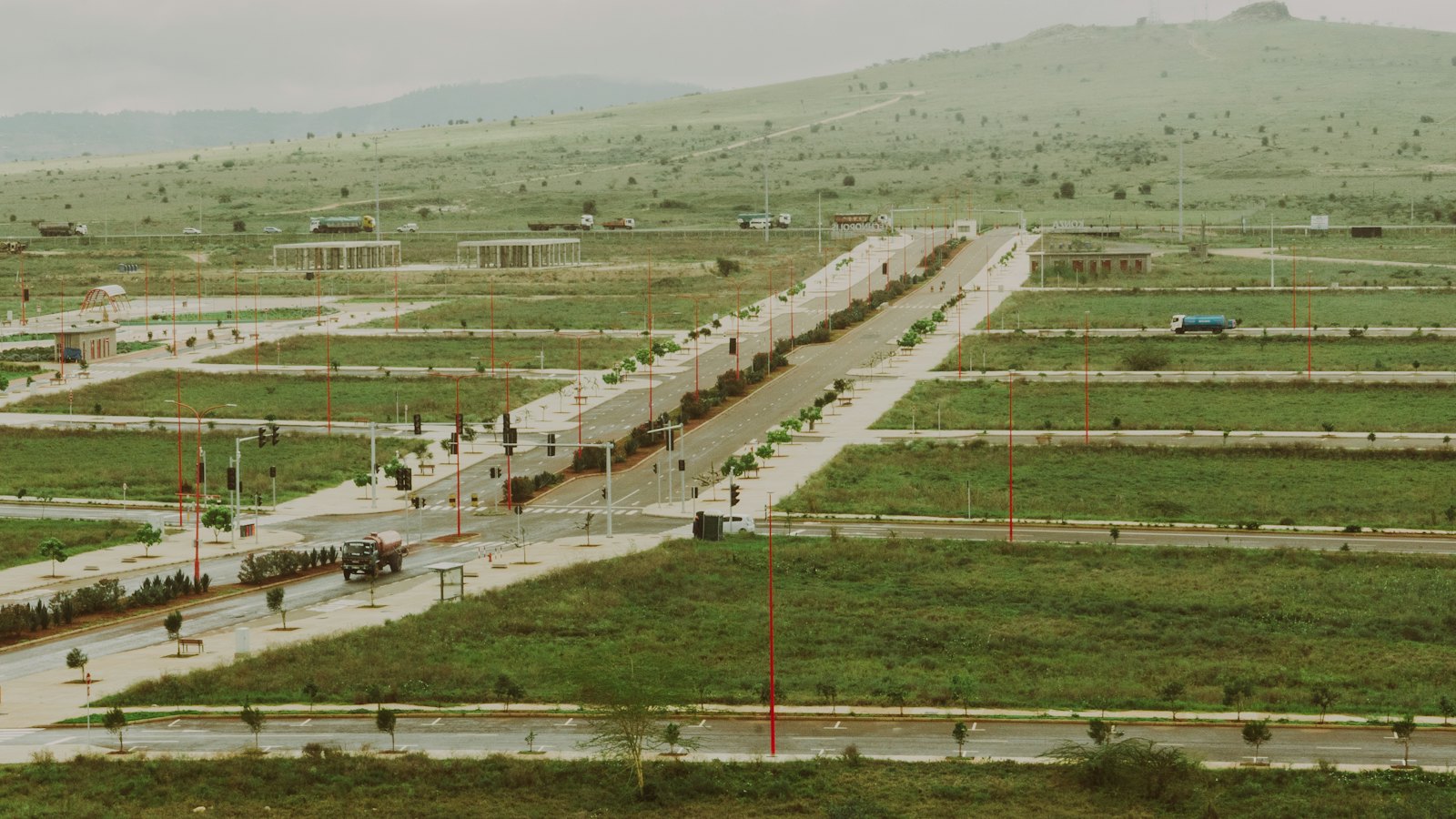
Land and property feel like the safest investment: you can see them, and they rarely disappear. That trust makes them a target. Plots are sold twice, documents are forged, and off-plan projects collect deposits without building anything.
Common schemes
- Double or multiple sales of the same plot.
- Fake sellers with forged title documents or no right to sell.
- Off-plan projects that collect instalments and never start.
- Diaspora targeting: buyers abroad sent photos and videos of land that is not theirs to sell. See diaspora project fraud.
- Land banking promises of huge returns on cheap plots.
Verification steps
- Search the official land registry records yourself.
- Hire an independent lawyer, not one recommended by the seller.
- Visit the site, or send someone you trust, and talk to neighbours.
- Check the developer's registration, permits and past projects.
- Pay through traceable channels, ideally with a lawyer or escrow.
Pressure is a warning sign: "other buyers are ready", "price goes up tomorrow". Genuine sellers can wait for checks.
Related: fake landlords and agents. For more, see investment scams.
Frequently asked questions
How do I check who owns land?
Search the official land registry or lands commission records in the country, and use a qualified, independent lawyer.
Is buying land from abroad risky?
It is a common target for fraud. Use an independent lawyer and trusted people on the ground, and never rely only on photos or videos.
What about off-plan developments?
Check the developer's registration, track record, permits and whether payments are protected, for example through escrow.
Sources
- Rental Listing Scams, US Federal Trade Commission
- Investment Scams, US Federal Trade Commission
- What To Know Before You Wire Money, US Federal Trade Commission