Buying Crypto Peer-to-Peer Safely
Peer-to-peer crypto trades pair buyers and sellers directly. How to use escrow properly, confirm payments, avoid reversed or fake payments, and stay out of money laundering.

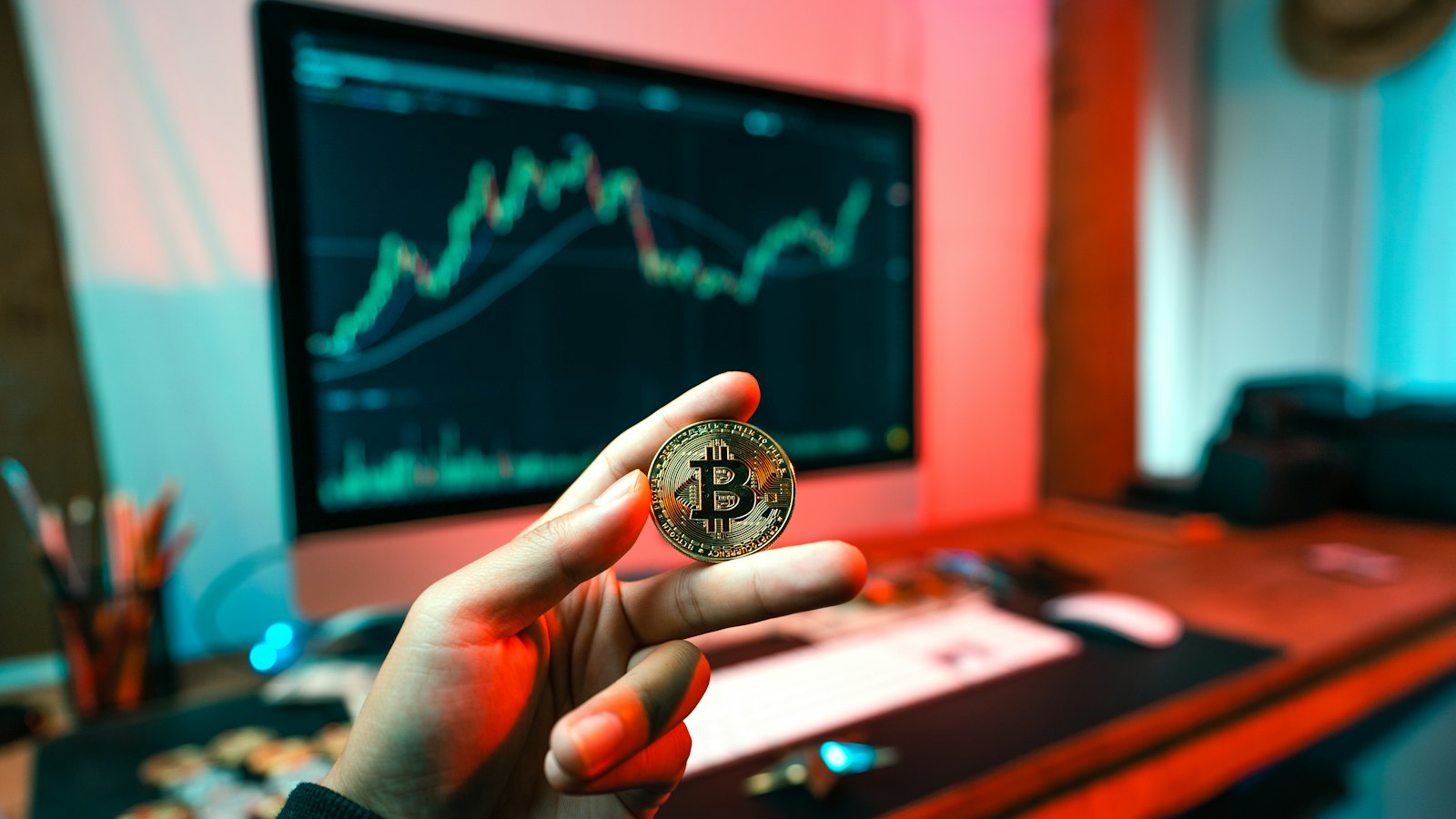
Peer-to-peer (P2P) crypto platforms let people buy and sell directly, paying by bank transfer or mobile money. It is popular where exchanges are limited. It also attracts fake payments, reversed transfers and traders moving stolen money.
Common P2P scams
- Fake payment proof: screenshots or SMS alerts for money that never arrived. See fake payment alerts.
- Reversed payments: a transfer that is later recalled or disputed.
- Third-party payments: money sent by someone other than the buyer, often a scam victim, which can get your account frozen.
- Off-platform trades: "let's do it on WhatsApp, lower fees".
- Fake support agents asking you to release escrow.
Safe trading rules
- Use reputable platforms with escrow, and keep every trade on the platform.
- As a seller, release crypto only after the full payment shows in your own account.
- Check the payer's name matches the buyer's verified name.
- Never release escrow because someone in chat tells you to.
- Keep records of every trade.
Money from a stranger can be stolen money. If the payer's name does not match, cancel the trade. See money mule recruitment.
For more, see investment and crypto scams.
Frequently asked questions
What is escrow in P2P trading?
The platform holds the seller's crypto until the seller confirms receiving payment, protecting both sides when used correctly.
Should I ever trade outside the platform?
No. Moving a trade to chat apps or direct transfers removes the escrow protection.
Can my bank account be frozen after a P2P trade?
Yes, if the money you received came from fraud. Trade only on reputable platforms and be wary of payments from third parties.
Sources
- What To Know About Cryptocurrency and Scams, US Federal Trade Commission
- How To Spot, Avoid, and Report Fake Check Scams, US Federal Trade Commission
- Learn & Protect, US Commodity Futures Trading Commission