Government and Tax Agency Phishing
Phishing that imitates tax agencies and government departments uses refunds, penalties, benefits and official notices. How to spot it and how to deal with government matters safely.

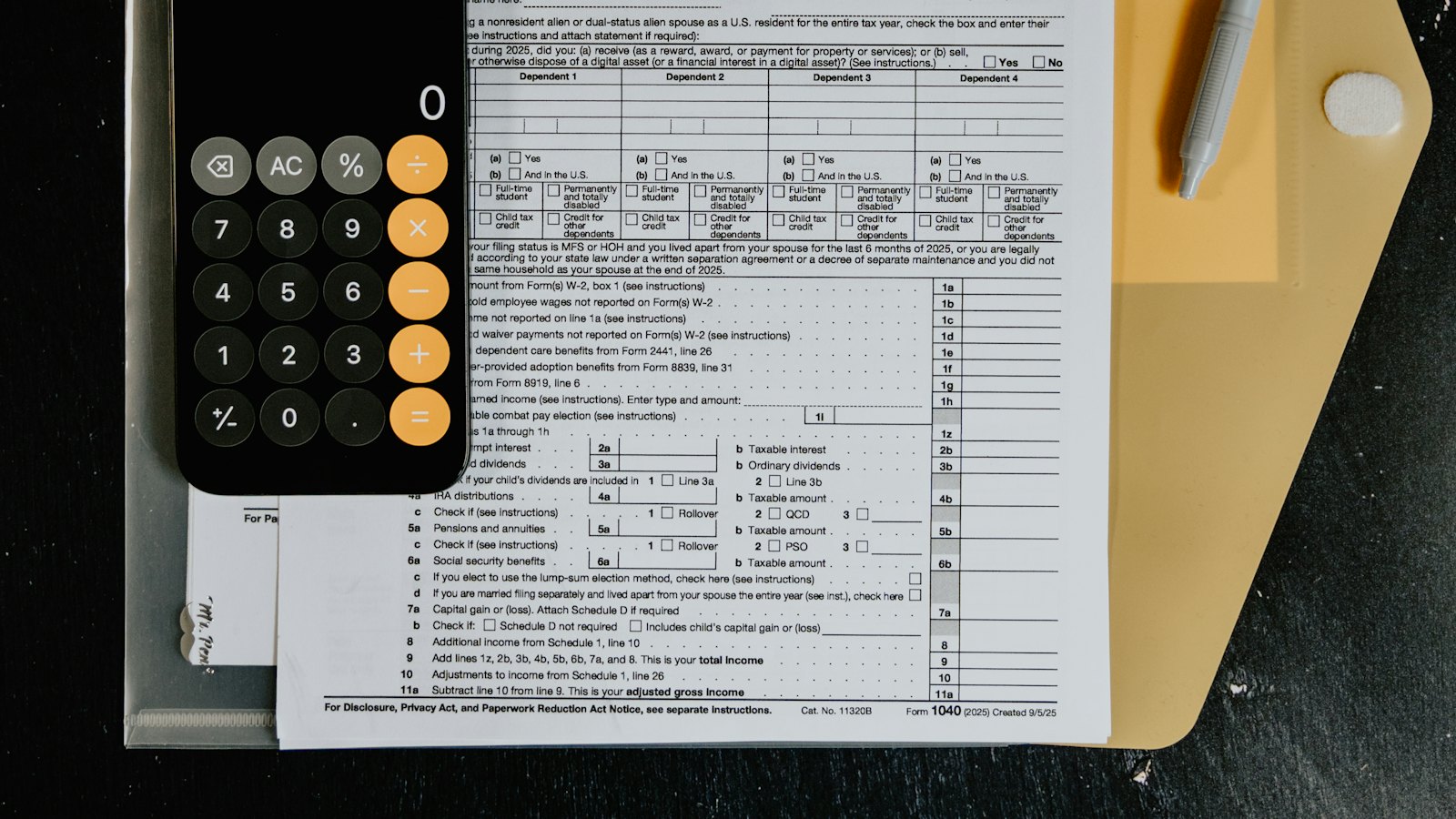
Government and tax agency phishing works because people take official messages seriously. Refunds are tempting, penalties are frightening, and government branding is easy to copy. Attackers use these emotions to collect bank details, identity information and payments.
Common government lures
- Tax refunds or rebates. See tax refund texts.
- Unpaid tax penalties with legal threats.
- Benefits, pensions or grants that need "verification".
- Driving, toll or parking fines. See toll and fine texts.
- Customs duties on parcels.
- ID, passport or visa renewals through fake portals.
How to check
- Log in to your official account through the government website you type yourself.
- Check the web address uses your country's official government domain.
- Call the agency on the number published on its official website.
- Remember that agencies do not demand gift cards, crypto or immediate payment under threat of arrest.
Official branding proves nothing. Logos, crests and reference numbers are easy to copy.
If you responded
- Entered bank or card details: contact your bank.
- Entered government login details: change the password through the official site and contact the agency.
- Shared ID or tax numbers: see tax identity fraud.
Got an official-looking message? Paste it into CyberWatch AI Scan for a free check.
Related: government impersonation scams. For more, see how to spot phishing in our complete guide.
Frequently asked questions
Do tax agencies email about refunds or penalties?
Many say they do not ask for personal or financial information by email or text. Check your official online account or contact the agency directly.
How can I tell an official government website?
Most countries use a specific government domain. Type the address yourself or start from your country's main government portal.
What if I am threatened with arrest?
That is a classic scam tactic. Government agencies do not demand immediate payment under threat of arrest by email or phone.
Sources
- How To Avoid a Government Impersonation Scam, US Federal Trade Commission
- What To Know About Tax Identity Theft, US Federal Trade Commission
- Phishing: spot and report scam emails, texts, websites and calls, UK National Cyber Security Centre