Gold, Diamond and Commodity Deal Scams
Cheap gold, diamonds, oil or other commodities offered by "direct suppliers", followed by fees for permits, assays, insurance and shipping. How commodity deal scams work and how to protect yourself.

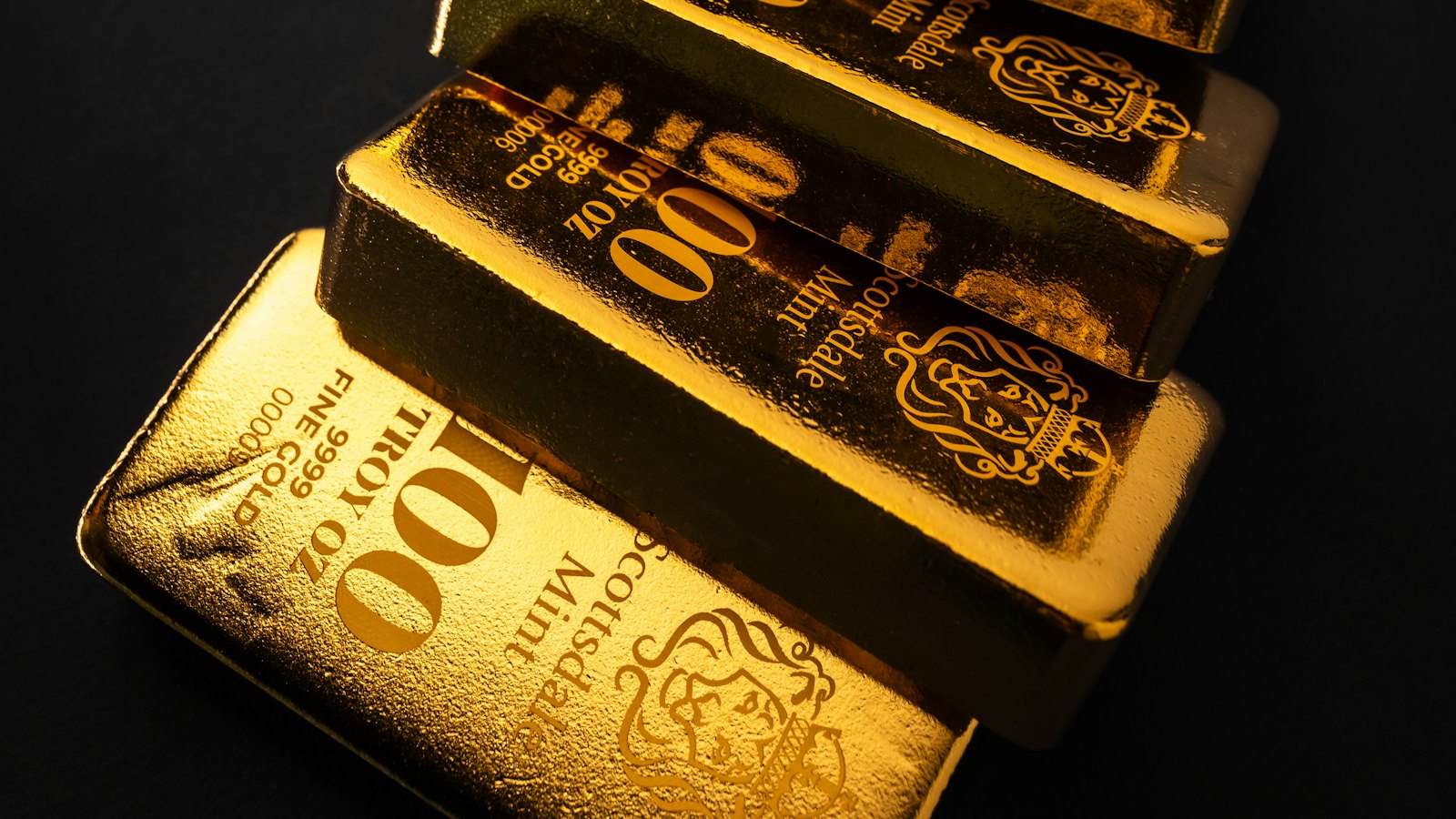
A contact introduces you to a "direct supplier" with kilograms of gold, rough diamonds or oil allocations to sell well below the world market price. Documents look official, samples may even be real, and there is an urgent window before other buyers step in. Then the fees start: export permits, taxes, assays, insurance, storage, shipping. Commodity deal scams target business people, investors and diaspora buyers around the world.
How commodity scams work
- The introduction: through a friend, a business contact, social media or a trade platform. A trusted intermediary makes it feel safe.
- The price: well below the international market price, "because we are the direct source".
- The paperwork: export permits, assay certificates, certificates of origin, customs forms, sometimes with real officials' names.
- The samples: genuine samples may be sent or shown to build trust.
- The fees: a stream of charges, each presented as the final step before shipment.
- The switch or the vanish: fake goods are delivered, or the goods never arrive at all.
A price far below market is the red flag. Real sellers of gold, diamonds and oil can sell at market price to established buyers. They have no reason to offer a discount to a stranger.
Illustrative example
- A large discount to world prices.
- The buyer must pay taxes and fees upfront.
- Documents supplied by the seller rather than verified independently.
- Pressure from a "waiting buyer".
How to protect yourself
- Be sceptical of below-market prices, however good the story.
- Verify every document independently with the issuing authority, using contact details you find yourself.
- Use your own accredited assayer and inspector, not one the seller recommends.
- Never pay fees upfront for taxes, permits or insurance that the seller should cover.
- Use proper trade structures, such as escrow with a reputable institution and payment only on verified delivery, with legal advice from a lawyer you choose.
- Be careful with travel to inspect goods. Inspection trips have been used to extract more fees and can be unsafe.
- Check that the business is licensed to trade and export in its country.
Diamonds, oil and other commodities
The same pattern appears with rough diamonds, crude oil allocations, fuel, cocoa, timber and even gemstones sold online. The details change, but the combination of a discount, a trusted intermediary, official-looking paperwork and upfront fees is always the same.
If you have paid
- Stop paying further fees.
- Contact your bank immediately to try to stop or recall payments.
- Keep all documents and messages as evidence. See how to preserve scam evidence.
- Report it to the police and your national fraud service, and consider legal advice for large losses.
Received a commodity offer? Paste it into CyberWatch AI Scan for a free check before you respond.
Commodity scams are a form of advance-fee scam. For the full picture, read our guide to online scams.
Frequently asked questions
Why is the gold offered so far below market price?
Because the price is the hook. Genuine sellers of gold and other commodities have no reason to sell far below the global market price to a stranger.
The seller showed us an assay report. Is that proof?
No. Assay certificates, export permits and even laboratory tests arranged by the seller can be forged or staged. Use an independent, accredited assayer that you choose.
Is it safe if we inspect the gold in person?
Not necessarily. Sellers sometimes show genuine samples and then deliver fakes, or use the meeting to demand more fees. Inspection trips can also be dangerous.
Sources
- Investment Scams, US Federal Trade Commission
- Avoid scams and unauthorised firms, UK Financial Conduct Authority
- What To Know About Advance-Fee Loans, US Federal Trade Commission