Forex Trading Scams and Fake Account Managers
'Account managers' promise to trade currencies for you, showing screenshots of big wins. How forex scams work, what managed-account fraud looks like, and how to check a broker.

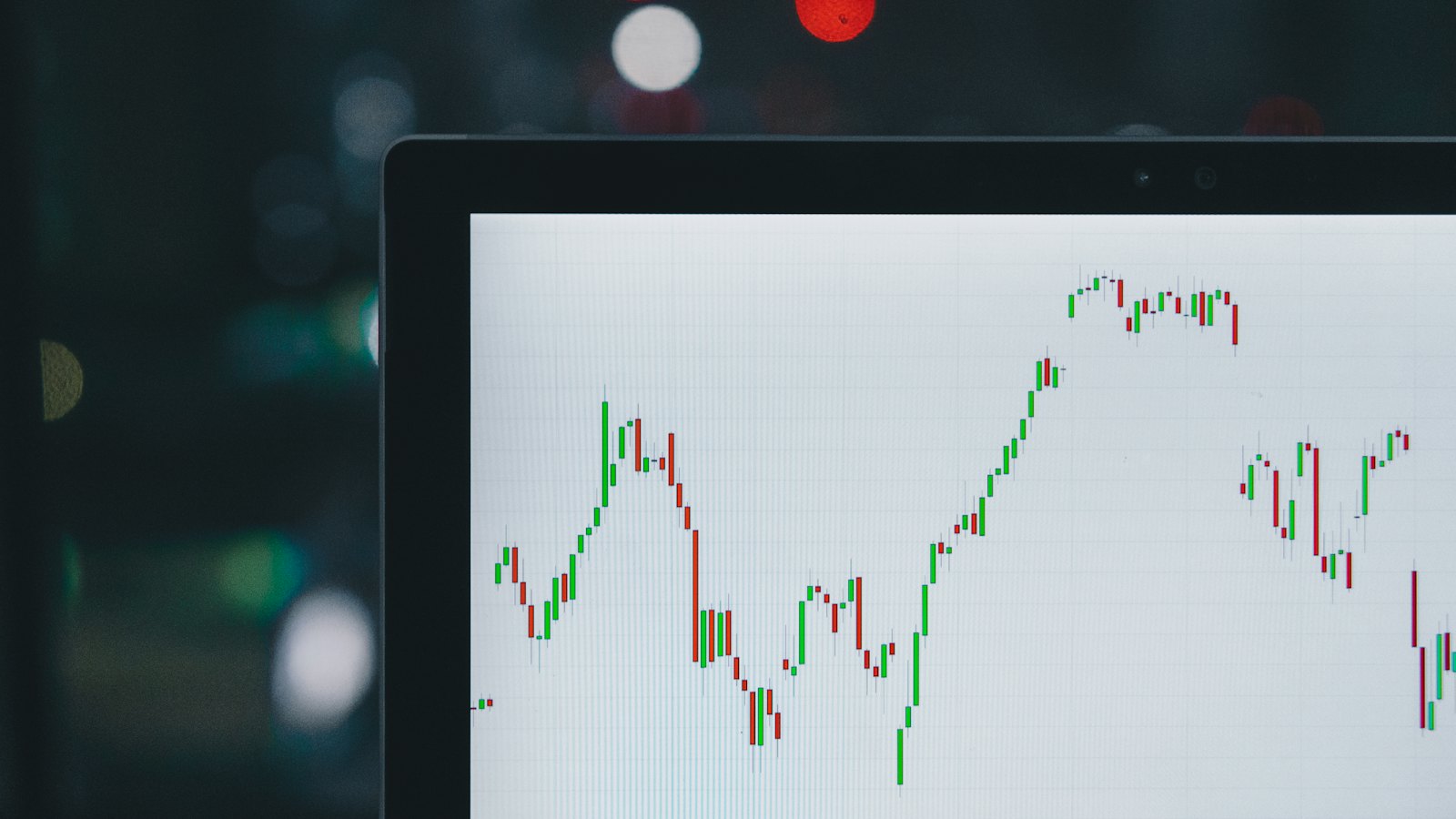
Forex, trading one currency against another, is a real and enormous market. It is also volatile and complex, which makes it perfect cover for scams. The common pitch: "Give me your account, I'll trade for you, you'll see profits every week."
Common forex scams
- Account managers who ask for your trading login or funds, then report fake gains.
- Signal sellers with fake track records. See trading signal groups.
- Unregulated brokers whose platforms manipulate prices or block withdrawals. See fake platforms.
- Trading courses that lead into paid schemes.
Red flags
- Guaranteed or consistent weekly profits. See "guaranteed returns".
- Requests for your login or to "manage" your account.
- Screenshots as proof of results. See fake profit screenshots.
- A broker not registered with your regulator.
Never give anyone your trading account login. A licensed manager uses formal agreements, not chat messages.
How to check: checking an investment licence. For more, see investment and crypto scams.
Frequently asked questions
Is forex trading itself a scam?
No. Currency trading is legitimate but high risk, and most retail traders lose money. Scams exploit its complexity and the promise of fast profit.
What is a managed account scam?
Someone offers to trade on your behalf, asks for your login or money, shows fake results, and eventually disappears or demands fees.
How do I check a forex broker?
Check the broker and any adviser with your financial regulator, for example the CFTC and NFA in the US or the FCA in the UK.
Sources
- Learn & Protect, US Commodity Futures Trading Commission
- Financial Services Register, UK Financial Conduct Authority
- Investment Scams, US Federal Trade Commission