How to Help a Family Member Caught in a Romance Scam
Your parent, sibling or friend is in love with someone online who keeps asking for money. Approaches that help without driving them away, what to say, what to avoid, and practical steps.

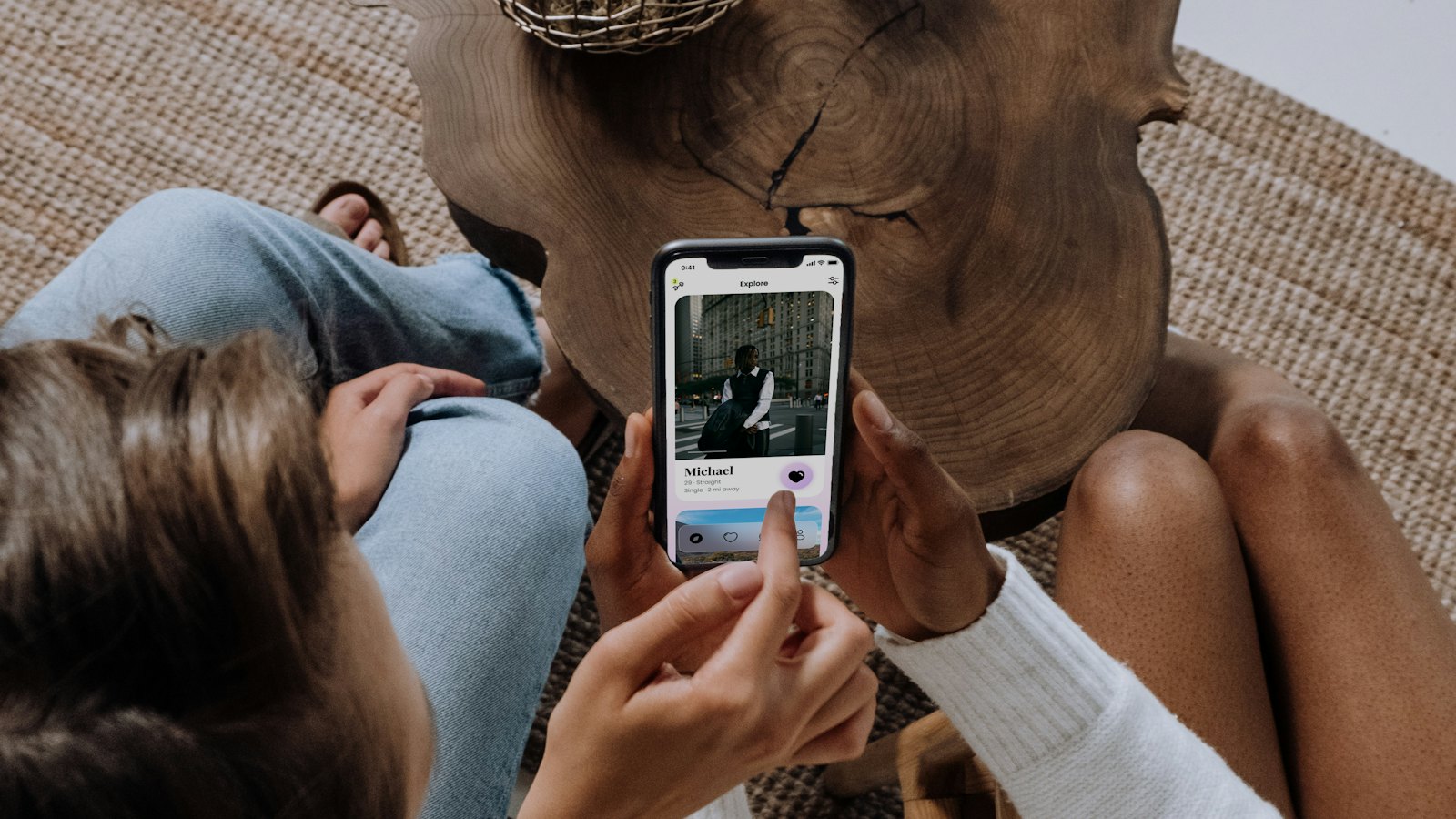
Your mother has a new partner she has never met, who works overseas and keeps needing money. Your brother is sending savings to someone he met on a dating app. You can see the scam clearly. They cannot, or will not. Helping someone out of a romance scam is delicate, because the wrong approach can push them closer to the scammer. Here is what tends to work.
Understand what they are feeling
To them, this is not a scam; it is a relationship. The scammer has spent weeks or months being attentive, loving and consistent. Accepting the truth means losing the relationship, facing the money already sent, and feeling foolish. Scammers also prepare victims for this moment: "Your family will be jealous. They will try to separate us."
What helps
- Stay close. Your relationship is the most important tool you have. Keep talking regularly.
- Ask, do not tell. Questions invite them to think: "Have you been able to video call?" "Why do you think their bank account is frozen?" "What would happen if you said no this time?"
- Show general information about romance scams, rather than making it about them. Stories from other people can help them recognise the pattern. See romance scams explained.
- Suggest simple tests together: a reverse image search of the photos, a live video call, or trying to withdraw from an "investment". See reverse image search.
- Involve a trusted outsider: a doctor, a faith leader, a bank staff member or a friend they respect.
- Be patient. It may take several conversations.
What to avoid
- Ridicule or anger: "How could you be so stupid?" pushes them away.
- Ultimatums: "Me or them" often ends with them choosing the scammer.
- Going behind their back in ways that break trust, unless you believe they are at serious risk.
- Confronting the scammer, which rarely helps.
Say it clearly, once, with love: "I care about you, and I am worried this person is not who they say. I will be here whatever happens." Then keep the door open.
Practical protections
- Talk to their bank together about lowering limits, adding a trusted contact where offered, or flagging unusual payments.
- Secure their accounts if they have shared passwords, codes or ID documents.
- Watch for signs of being used as a money mule: receiving money or parcels to forward. See money mule recruitment.
- Report the profile to the platform and the scam to your national service. See how to report a scam.
When they realise
The moment of realisation can be devastating: grief, shame and anger at once. Respond with kindness, not "I told you so". Help with practical steps, and warn them that "recovery" offers are likely to follow and are almost always scams. Our guides on supporting someone who has been scammed and life after a romance scam can help.
If you are worried about their safety or capacity
If they are planning to travel to meet the person, are being asked to carry money or parcels across borders, or you have concerns about their ability to make financial decisions, seek professional advice or contact the police.
Want to check one of the messages together? Paste it into CyberWatch AI Scan for a free, neutral second opinion.
For more on how scammers build these relationships, read the complete guide to online scams.
Frequently asked questions
Why won't they believe me?
Because the relationship feels real, and accepting it is a scam means accepting the loss of both the person and the money. Scammers also prepare victims for doubters, telling them that family will be jealous or will not understand.
Should I contact the scammer?
Generally no. It rarely helps, and it can alert the scammer to change tactics. Focus on supporting your family member and reporting the scam.
Can the bank help stop payments?
Banks can sometimes intervene when they spot unusual payments. Encourage your relative to talk to their bank, and some banks let customers add a trusted contact or set lower limits.
Sources
- What To Know About Romance Scams, US Federal Trade Commission
- Fraud Watch Network Helpline, AARP
- Refund and Recovery Scams, US Federal Trade Commission