How to Check Your Credit Record
Your credit record shows accounts and applications in your name, making it one of the best ways to spot identity fraud. Where credit records are kept, how to check for free, and what to look for.

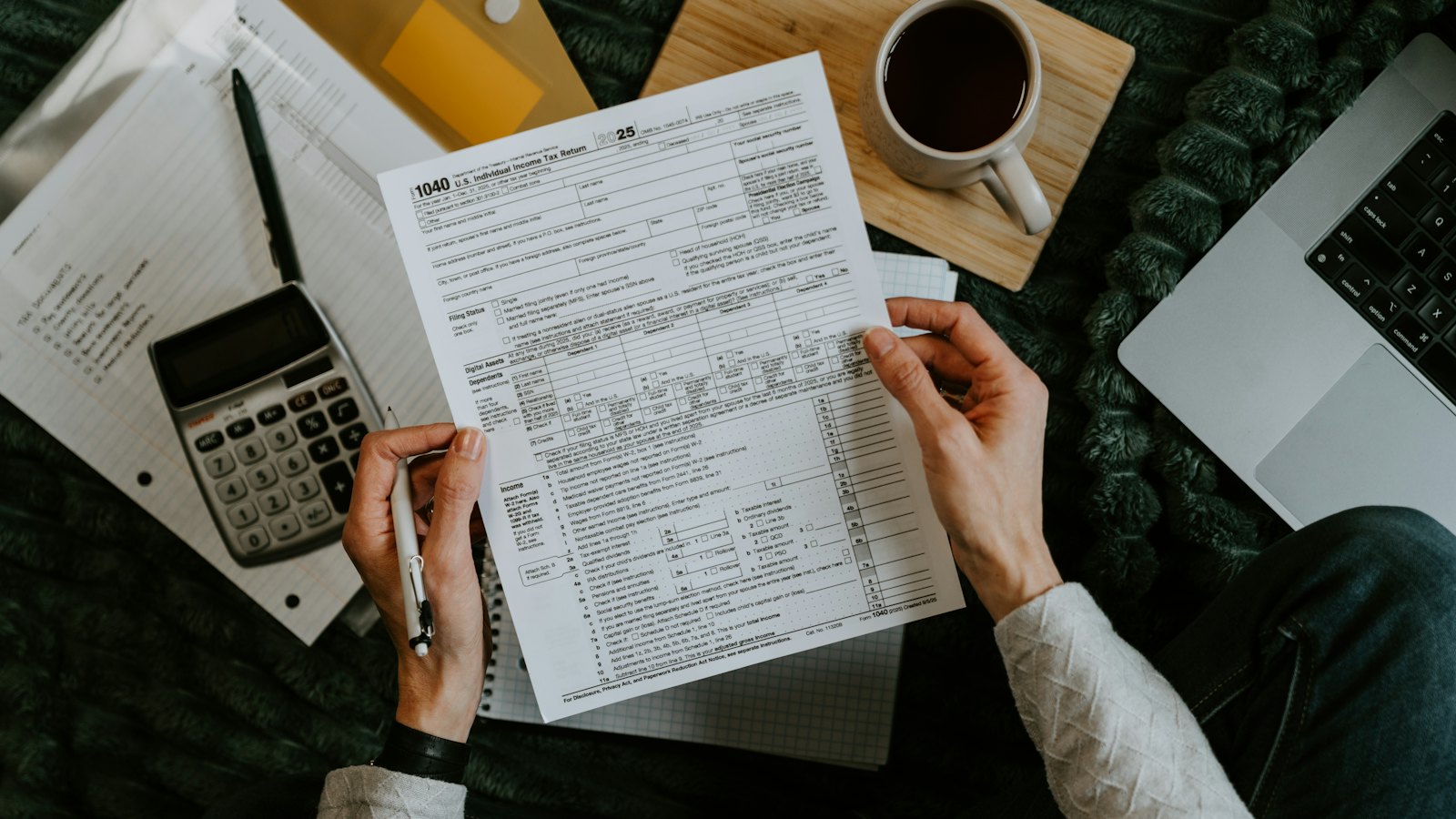
Your credit record, sometimes called a credit report or credit file, lists credit accounts, loans and applications in your name. If someone has opened an account or applied for credit using your identity, it often shows up here first. Checking it regularly is one of the simplest ways to catch identity fraud early.
Where credit records are kept
Credit records are held by credit bureaus or credit reference agencies. Which ones depends on your country:
- United States: Equifax, Experian and TransUnion. The official free source for reports is AnnualCreditReport.com.
- United Kingdom: Experian, Equifax and TransUnion. You have a legal right to see your statutory credit report, and each offers free access.
- Other countries: national credit bureaus or central bank credit registries. Your bank or central bank website usually explains how to request your record.
What to look for
- Accounts, loans or cards you do not recognise.
- Credit applications or "hard searches" you did not make.
- Addresses where you have never lived.
- Names or spellings you have never used.
- Missed payments on accounts you do not have.
Use official routes only. Scammers run fake "free credit report" sites to collect personal and payment details. Start from official or well-known sources.
If something is wrong
- Contact the lender named on the entry and report fraud. See account opened in my name.
- Dispute the entry with the credit bureau.
- Report identity theft to your national service. See reporting identity theft.
- Consider a freeze or alert. See credit freezes explained.
- Keep a log. See keeping a log.
How often
- Once a year as routine.
- Right away after a breach involving ID numbers, lost documents or suspicious letters.
- Every few months for a while after identity fraud. See long-term recovery.
Got an email offering a "free credit score check"? Paste it into CyberWatch AI Scan for a free check before you click.
For the full process, see how to respond to identity fraud in our complete guide.
Frequently asked questions
Is checking my own credit record bad for my score?
No. Checking your own record is usually a 'soft' search that lenders do not see and does not affect your score.
How often should I check?
At least once a year, and more often after a breach, a lost ID or signs of identity fraud.
Are 'free credit report' sites safe?
Use official or well-known sources. In the United States, the official free source is AnnualCreditReport.com. Be wary of sites that require payment details or push paid subscriptions.
Sources
- Free Credit Reports, US Federal Trade Commission
- Disputing Errors on Your Credit Reports, US Federal Trade Commission
- Understanding Your Credit, US Federal Trade Commission