Fake Money Transfer Agents and Exchange Rate Scams
'Better than bank' exchange rates offered on social media or in the street often end with no money received, fake notes or short counts. How currency exchange scams work.

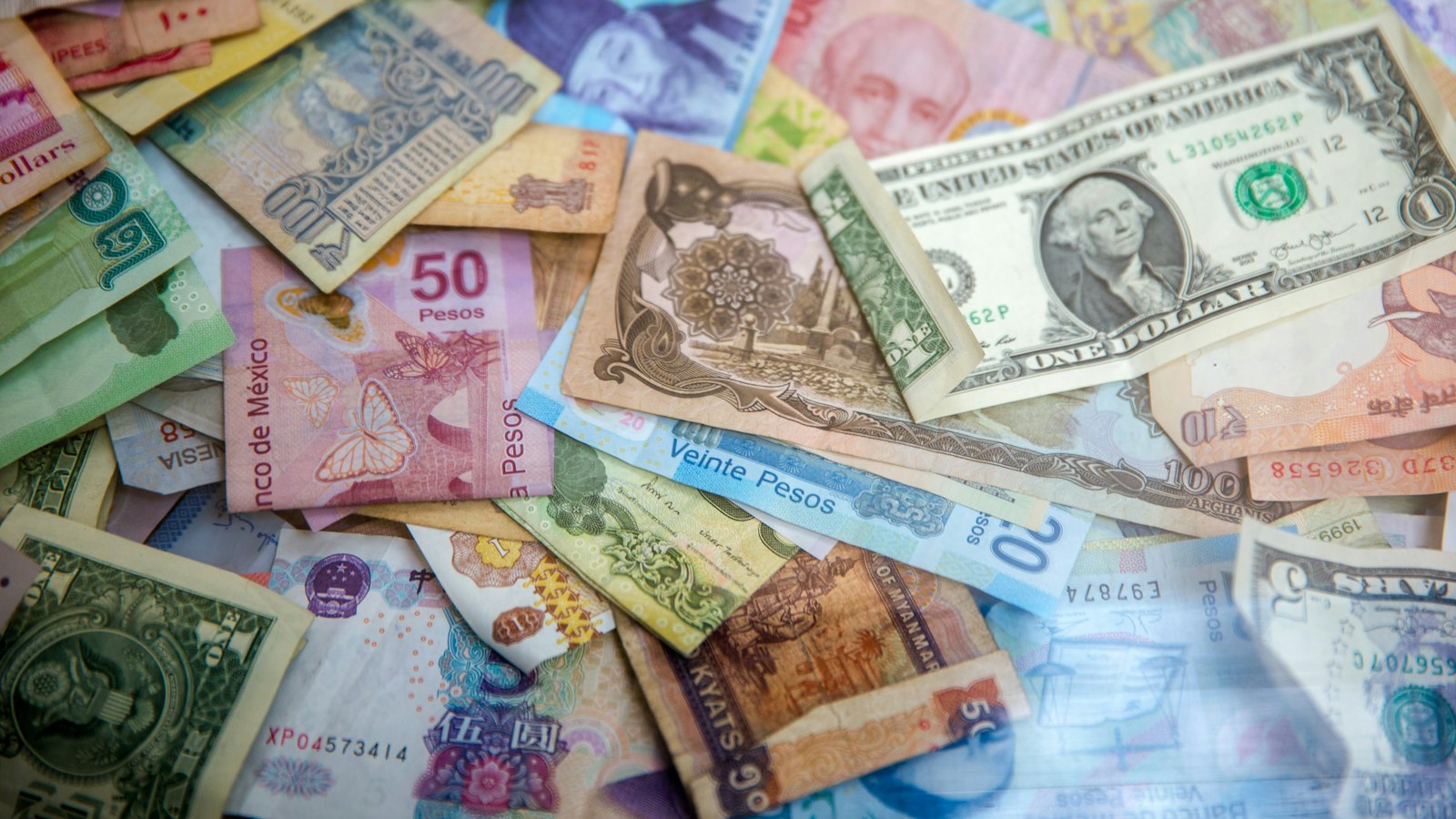
Where official exchange rates and street rates differ, informal currency trading thrives, online and in person. Alongside genuine traders, scammers advertise rates that look too good to miss, and take your money first.
Common scams
- Pay first, receive nothing: you transfer local currency; the foreign currency never arrives.
- Fake notes or short counts in street exchanges.
- Fake agents on social media using copied names and "testimonials". See fake testimonials.
- Third-party payments: you receive money that was stolen from someone else, and your account gets frozen. See money mules.
Safer ways to exchange
- Use banks, licensed bureaux and licensed transfer services.
- Count cash at the counter before leaving.
- Avoid agents who demand payment first through personal accounts.
- Be wary of rates far better than every licensed provider.
If the rate is much better than everyone else's, ask how. Usually the answer is that you will not receive it.
Related: sending money home safely and card fraud while travelling. For more, see our guide to financial scams.
Frequently asked questions
Why are street or social media exchange rates so attractive?
Sometimes they reflect real parallel markets, but scammers also advertise impossible rates to lure people into sending money first.
What is the main risk?
You send your money first and receive nothing, fake notes, or a short count, with no legal protection.
How can I exchange money safely?
Use banks, licensed bureaux and licensed transfer services, and count cash before leaving the counter.
Sources
- Avoid Scams When You Travel, US Federal Trade Commission
- What To Know Before You Wire Money, US Federal Trade Commission
- Mobile Payment Apps: How To Avoid a Scam When You Use One, US Federal Trade Commission