Questions to Ask Before You Send Money to Anyone Online
A printable checklist of questions to ask before you pay a person or business online, from sellers and landlords to investment platforms and people you have met online.

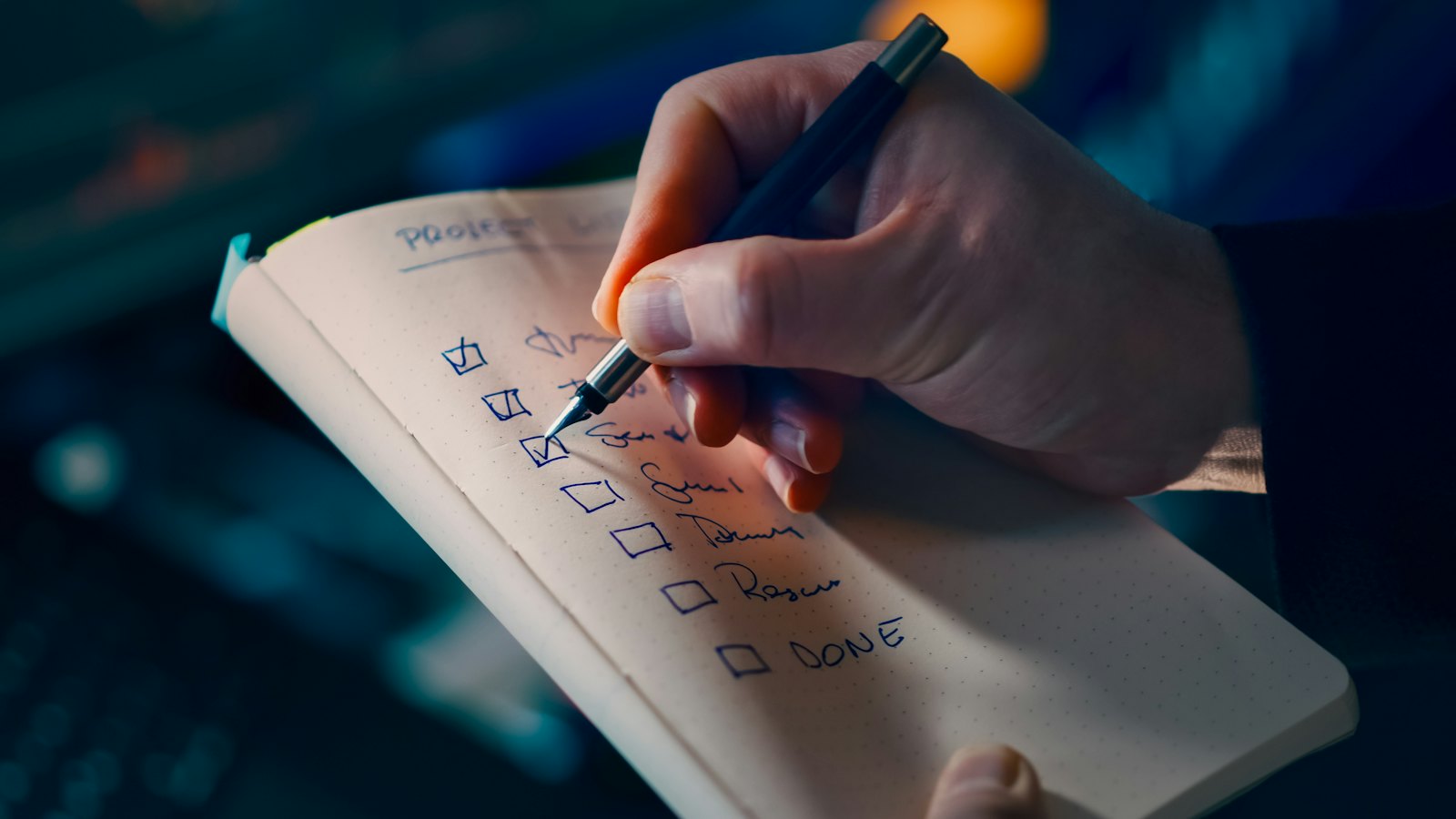
Once money has left your account, getting it back can be hard or impossible. That makes the moment before you pay the most powerful moment you have. These ten questions take a few minutes and catch the vast majority of payment scams, whether you are paying a seller, a landlord, a supplier, a "relative" or an investment platform.
How to use this checklist: if the answer to any question worries you, stop and check before paying. If the person pressures you not to check, that is your answer.
The checklist
1. Did I start this, or did they?
Payments that begin with an unexpected message, call, advert or "opportunity" deserve far more suspicion than payments you went looking for.
2. Have I verified who they are, independently?
Not through details they gave you, but through an official website, a company register, a known phone number, or in person. See how to check that a company is real.
3. Is the account in the right name?
A company should be paid into an account in the company's name. Payments to a personal account, or to someone else "on their behalf", are a warning sign.
4. Why this payment method?
If you are being asked to pay by gift card, crypto, a transfer to an individual, or outside a platform's checkout, ask why. These methods are hard to reverse, which is why scammers prefer them. See why scammers ask for gift cards and crypto.
5. Am I being rushed?
"Other buyers are interested", "the offer ends today", "pay now or the account will be frozen". Genuine deals can almost always wait an hour while you check.
6. Is it too good to be true?
Prices far below market, guaranteed returns, a well-paid job that needs a fee, or a rental that is cheap and available immediately. If it seems too good, check twice.
7. Have I seen what I am paying for?
For goods, vehicles and rentals, seeing the item or property, in person or through a live video call you control, removes many scams. Photos alone prove nothing.
8. Have bank details changed?
If a supplier, landlord, lawyer or builder says their account has changed, call them on a number you already had to confirm, before paying. This single check stops most invoice fraud. See invoice fraud and changed bank details.
9. Would I be embarrassed to tell someone?
If you have been asked to keep the payment secret, or you would feel awkward explaining it to a friend or your bank, pause. Scammers rely on secrecy.
10. What protection do I have if it goes wrong?
Card payments and platform checkouts often come with dispute rights. Transfers, cash, crypto and gift cards usually do not. If the protection is low, the checks above matter even more.
Examples of how the questions work
- Q2 and Q7: no way to verify the landlord or see the property.
- Q5: pressure from "many people are interested".
- Q10: a bank transfer offers little protection if it is a scam.
Printable version
- Did I start this, or did they?
- Have I verified who they are, independently?
- Is the account in the right name?
- Why this payment method?
- Am I being rushed?
- Is it too good to be true?
- Have I seen what I am paying for?
- Have bank details changed?
- Would I be embarrassed to tell someone?
- What protection do I have if it goes wrong?
Unsure about a payment request? Paste the message into CyberWatch AI Scan for a free check before you pay.
If you have already paid and are worried, act fast with our first-hour checklist. For the bigger picture, read our guide on how to identify and avoid online scams.
Frequently asked questions
What is the safest way to pay someone online?
For purchases, a credit card or a platform's own checkout with buyer protection usually gives you the most options if something goes wrong. Avoid transfers, gift cards and crypto to people or businesses you have not verified.
Is it safe to pay a deposit to hold an item or a rental?
Only after you have verified the seller or landlord and, ideally, seen the item or property. Deposits for things you have not seen are a common scam.
Should I send a small test payment first?
A test payment only proves the account exists, not that the person is honest. Scammers are happy to receive small amounts before the big one.
Sources
- How To Avoid a Scam, US Federal Trade Commission
- Online Shopping, US Federal Trade Commission
- Check if something might be a scam, Citizens Advice