When a Partner or Ex Has Access to Your Accounts
After a breakup, or in a controlling relationship, someone close may still have access to your email, phone, location or cloud. How to review access safely, and where to get help if you feel unsafe.

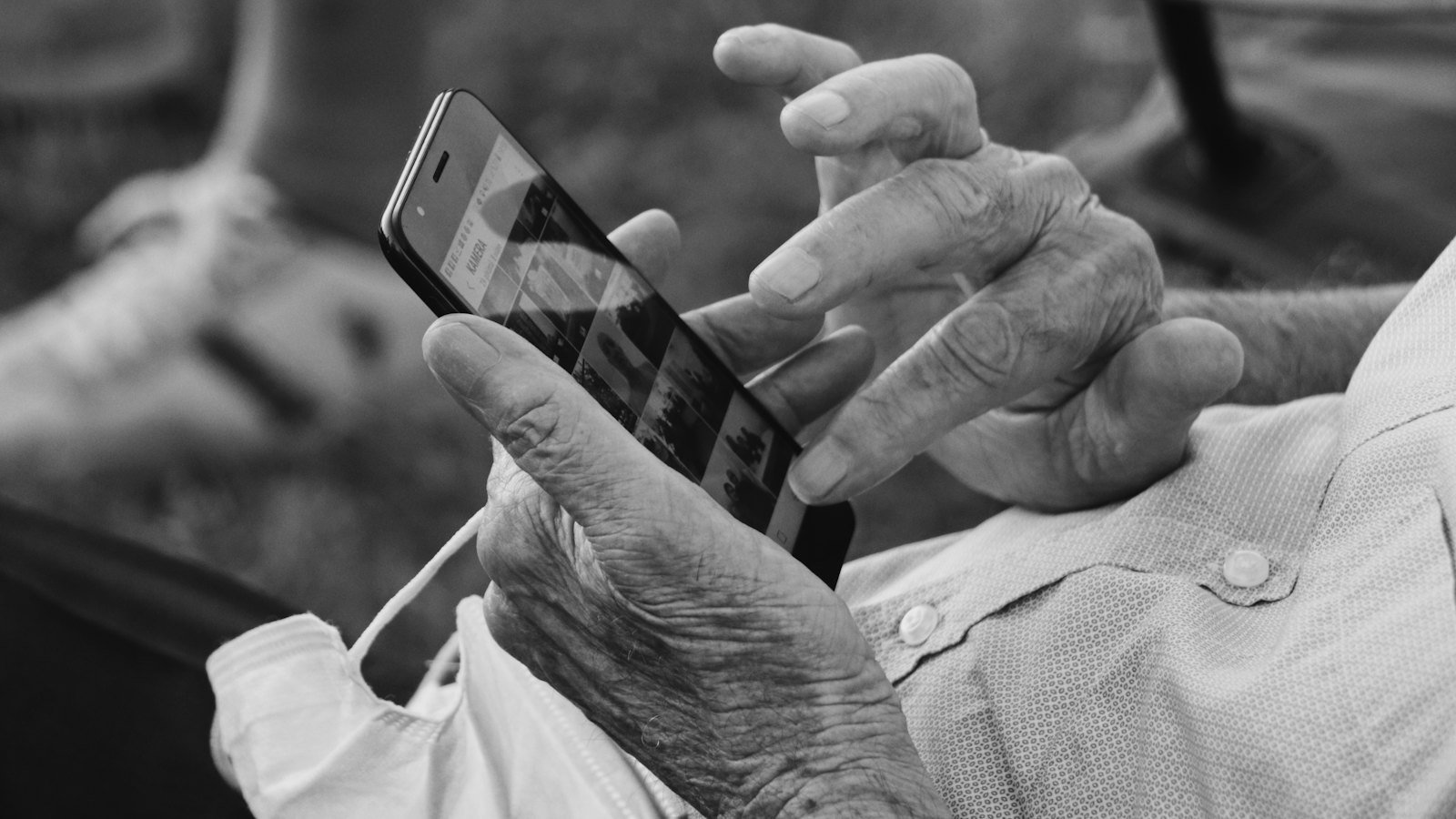
Partners often share a lot digitally: passwords typed in front of each other, a shared laptop, location sharing, a family cloud plan. After a breakup, or in a relationship where one person controls the other, that access can be misused to read messages, track location or take over accounts. Reviewing access carefully restores your privacy.
If you are in an abusive or controlling relationship, sudden changes such as blocking location sharing can alert the other person and may increase risk. Contact a domestic abuse support service for safety planning before making changes, and use a device the other person cannot access.
Where access hides
- Passwords they know, or saved on shared devices.
- Your email's recovery phone or email pointing to them.
- Devices still signed in to your accounts.
- Location sharing in maps, phone or family apps.
- Family plans that share photos, purchases or location.
- Cloud backups syncing your photos and messages.
- Apps installed on your phone to monitor you.
- Smart home devices and cameras.
A safe review, in order
- Email: new password, two-step verification, check recovery details, sign out all other sessions, check forwarding. See securing your email.
- Phone: new screen lock; review installed apps and device admin or accessibility permissions; check your phone's cloud account devices.
- Location sharing in maps, phone and family apps.
- Banking and payments: passwords, PINs, linked devices, joint account arrangements.
- Social media and messaging: active sessions, linked devices (such as WhatsApp linked devices).
- Shared plans and smart home devices.
Signs of monitoring software
- The other person knows things they could not otherwise know.
- Unfamiliar apps, or apps with accessibility or admin permissions.
- Unusual battery drain or data use.
The FTC's guidance on stalkerware explains what to know. If you suspect monitoring, get specialist advice before removing it, as removal can alert the person who installed it.
If intimate images are involved
If someone threatens to share intimate images, see what to do if someone threatens to share images. Support and removal tools exist.
Received a suspicious message about your accounts? Paste it into CyberWatch AI Scan for a free check.
Related: shared household accounts. For more, read our guide to identity theft and account security.
Frequently asked questions
How can an ex still have access?
Through known or saved passwords, shared devices, location sharing, family plans, linked recovery details, synced cloud accounts, or monitoring apps installed on your phone.
Should I change everything at once?
If you are safe, yes, starting with email and phone. If you are in an abusive situation, sudden changes can alert the other person; get advice from a support service first.
What is stalkerware?
Software secretly installed on a device to monitor messages, calls, location and more. The FTC and domestic abuse organizations provide guidance on signs and safe removal.
Sources
- Stalkerware: What To Know, US Federal Trade Commission
- Recovering a hacked account, UK National Cyber Security Centre
- Image-Based Abuse: What To Know and Do, US Federal Trade Commission