Visa, Travel and Relocation Scams
Guaranteed visas, fake immigration agents, copycat application websites and relocation packages that do not exist. How visa and relocation scams work and how to use official routes.

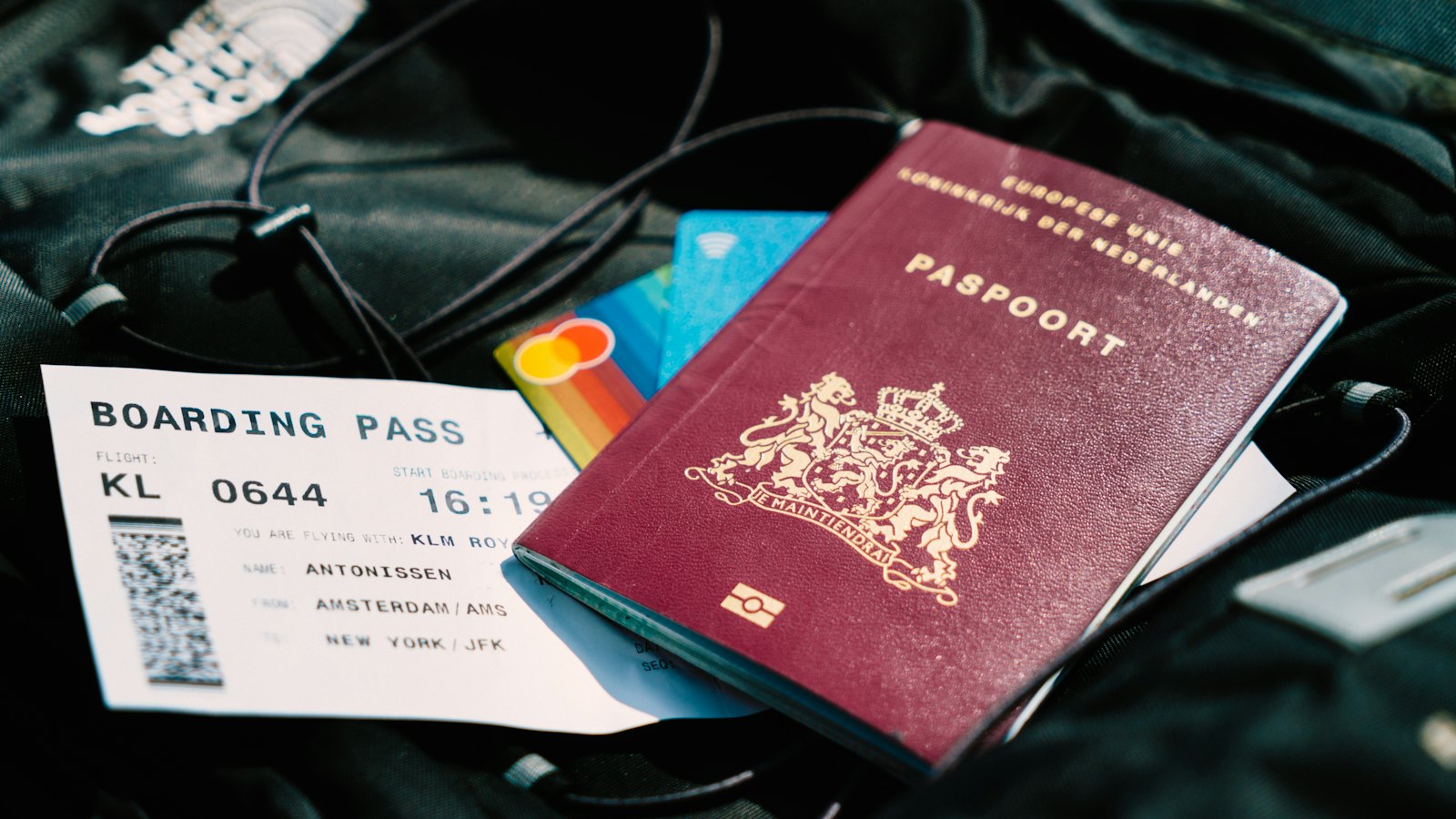
Moving abroad to work, study or join family is a big decision, often involving savings and hope. Visa and relocation scams exploit both, promising fast or guaranteed visas, overseas jobs with visas included, or help with complicated paperwork. Some steal fees; others steal identities; the worst leave people stranded or trapped abroad.
Common visa and relocation scams
| Scam | How it works |
|---|---|
| The guaranteed visa | An agent promises approval for a fee. No one can guarantee a visa; the money disappears or a forged document is supplied. |
| Copycat application websites | Sites that look official charge inflated fees for forms that are cheaper or free through the real government site, or collect passport details. |
| Job with visa included | An overseas job offer requires you to pay for the visa, flights and "processing". See fake overseas recruitment agencies. |
| Visa lottery "wins" | Messages saying you have won a visa lottery or residency draw and must pay to claim it. |
| Fake immigration officials | Calls saying your visa or status has a problem and a fine must be paid immediately. |
| Relocation packages | Accommodation, school places or job placement abroad sold by agents who vanish after payment. |
Only the destination government decides visas. Anyone who promises a guaranteed visa, a shortcut, or a special connection at the embassy is lying.
Illustrative example
- "100% visa success", which no one can promise.
- A fast timeline that does not match official processing times.
- A large upfront fee paid to an agent, with pressure to act quickly.
How to apply safely
- Start at the official source. Go to the destination government's immigration website or the embassy's official site by typing the address or following links from a government portal.
- Check official fees and processing times there, so you know what is normal.
- Use official application centres where the embassy says to.
- Check any adviser on the official register of licensed immigration advisers, where the country has one.
- Pay government fees through official channels, never to an individual's account.
- Keep your passport. Never hand it to an agent or employer to "hold".
Extra care with job offers abroad
Some fake overseas jobs are not just scams but routes into forced labour, including in scam centres where workers are made to defraud others. Be very cautious with offers that pay unusually well for simple work, provide flights and accommodation, and ask you to travel on a tourist visa. Verify the employer independently and tell family exactly where you are going. Our guide on how organized scam operations work explains more.
If you have been targeted
- Paid a fee: contact your bank or payment provider immediately.
- Shared your passport details: watch for identity fraud and report it.
- Already abroad and in trouble: contact your country's embassy or consulate, or local emergency services.
- Report it using our country-by-country reporting guide.
Got a visa or relocation offer? Paste it into CyberWatch AI Scan for a free check, then verify with the official government website.
Visa scams often overlap with fake scholarships and job scams. For the full picture, read our guide to online scams.
Frequently asked questions
Can an agent guarantee me a visa?
No. Visa decisions are made by the government of the destination country. No agent, lawyer or company can guarantee the outcome, and anyone who promises it is misleading you.
Are visa agents always scams?
No. Some countries license immigration advisers, and some embassies use official application centres. Check the adviser on the official register where one exists, and pay government fees through official channels.
How do I find the official visa website?
Start from the destination government's official website or its embassy's official site, not from adverts or search results, which can lead to copycat sites that charge extra fees.
Sources
- How To Avoid Immigration Scams and Get Real Help, US Federal Trade Commission
- Avoid Scams When You Travel, US Federal Trade Commission
- Job Scams, US Federal Trade Commission