The Soldier, Doctor or Engineer Abroad: Common Romance Scam Personas
The deployed soldier, the aid doctor, the oil rig engineer, the widowed businessman. Why romance scammers choose these personas, what each one is designed to explain, and how to test them.

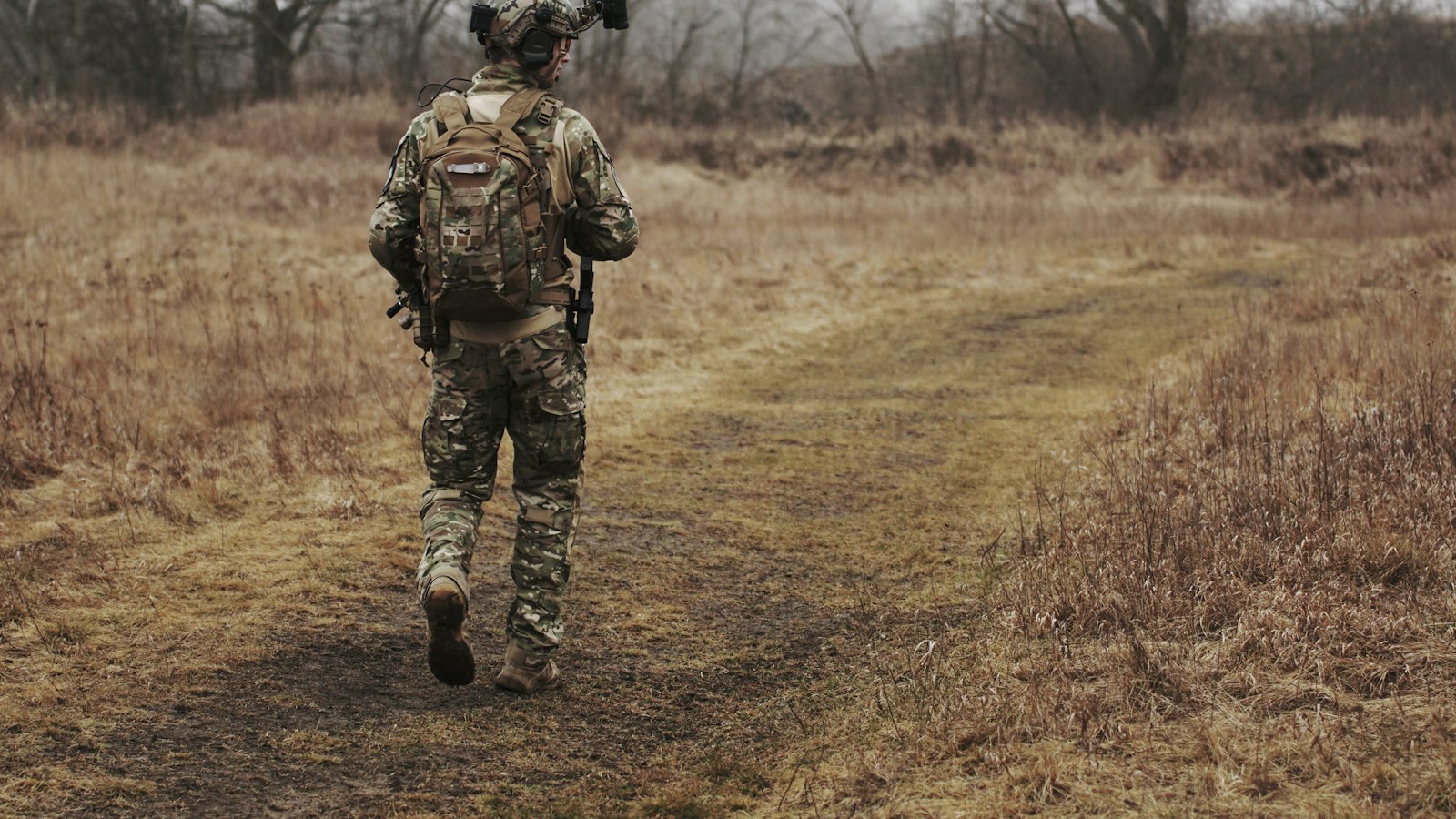
Romance scammers do not choose their characters at random. The same few personas appear again and again around the world because each one solves a problem for the scammer: it explains why they cannot meet you, why they cannot video call, and why a person who seems successful suddenly needs money. Knowing the personas makes them much easier to recognise.
The common personas and what they explain
| Persona | What it is designed to explain |
|---|---|
| Soldier on deployment | No video calls "for security", cannot leave, needs money for leave, flights or a "retirement package". Uniform photos inspire trust and respect. |
| Doctor with an aid agency | Working in a remote or conflict area, poor connection, noble and caring, bank account inaccessible abroad. |
| Oil rig or offshore engineer | Stuck offshore for months, well paid but unable to access money, needs to pay for equipment or fees. |
| Widowed businessman or woman | Emotional backstory, a child to care for, a big deal that needs a final payment. |
| International contractor or sailor | Always travelling, shipments stuck in customs, sudden fees at ports. |
| Successful investor | Rich lifestyle photos, wants to teach you to trade. See romance investment scams. |
Why these personas work
- They inspire respect and trust: uniforms, medicine and engineering suggest honesty and stability.
- They explain absence: distance and duty make excuses feel reasonable.
- They explain money problems: "I have money, I just cannot reach it" makes a request feel temporary.
- They are hard to check: most people do not know how military leave or offshore payroll works.
How to test a persona
- Reverse image search the photos. Service members' and doctors' photos are frequently stolen. See how to use reverse image search.
- Ask for a live video call. Real deployed personnel and offshore workers can generally video call at some point.
- Check the story against reality. Established armed forces do not charge families or partners for leave, communications, flights or medical care. Aid agencies and oil companies pay their staff directly.
- Watch for the request. Every persona eventually leads to money, gifts, crypto or help moving funds.
- There is no "leave fee" paid by partners.
- An inaccessible salary account is a standard excuse.
- The request is framed as the last step before meeting.
The real people in the photos are victims too. Their pictures are stolen and used without their knowledge. Reporting the fake profile helps them as well as you.
What to do
If a profile matches one of these personas and has started asking for money, stop sending anything, save the conversation, and report the profile. See our signs of a romance scammer and, if you have lost money, after a romance scam.
Received a message like this? Paste it into CyberWatch AI Scan for a free check.
For the full picture of how romance and other scams work, read the complete guide to online scams.
Frequently asked questions
Do real soldiers need money to go on leave or call home?
No. Serving personnel in established armed forces do not need civilians to pay for leave, flights, communications or medical care. These are common romance scam stories.
Why do scammers pretend to work abroad?
Working abroad explains why they cannot meet, why video calls are difficult, and why their money is hard to access, all of which set up the request for help.
Are real people's photos used for these profiles?
Yes. Photos are often stolen from real service members, doctors and other professionals, who are also victims of the scam.
Sources
- What To Know About Romance Scams, US Federal Trade Commission
- Google Lens, Google
- Social media: how to use it safely, UK National Cyber Security Centre