The Complete Guide to Online Shopping Scams and Payment Fraud
How to spot fake online shops, marketplace scams and payment fraud, which payment methods protect you, and what to do if a purchase goes wrong.

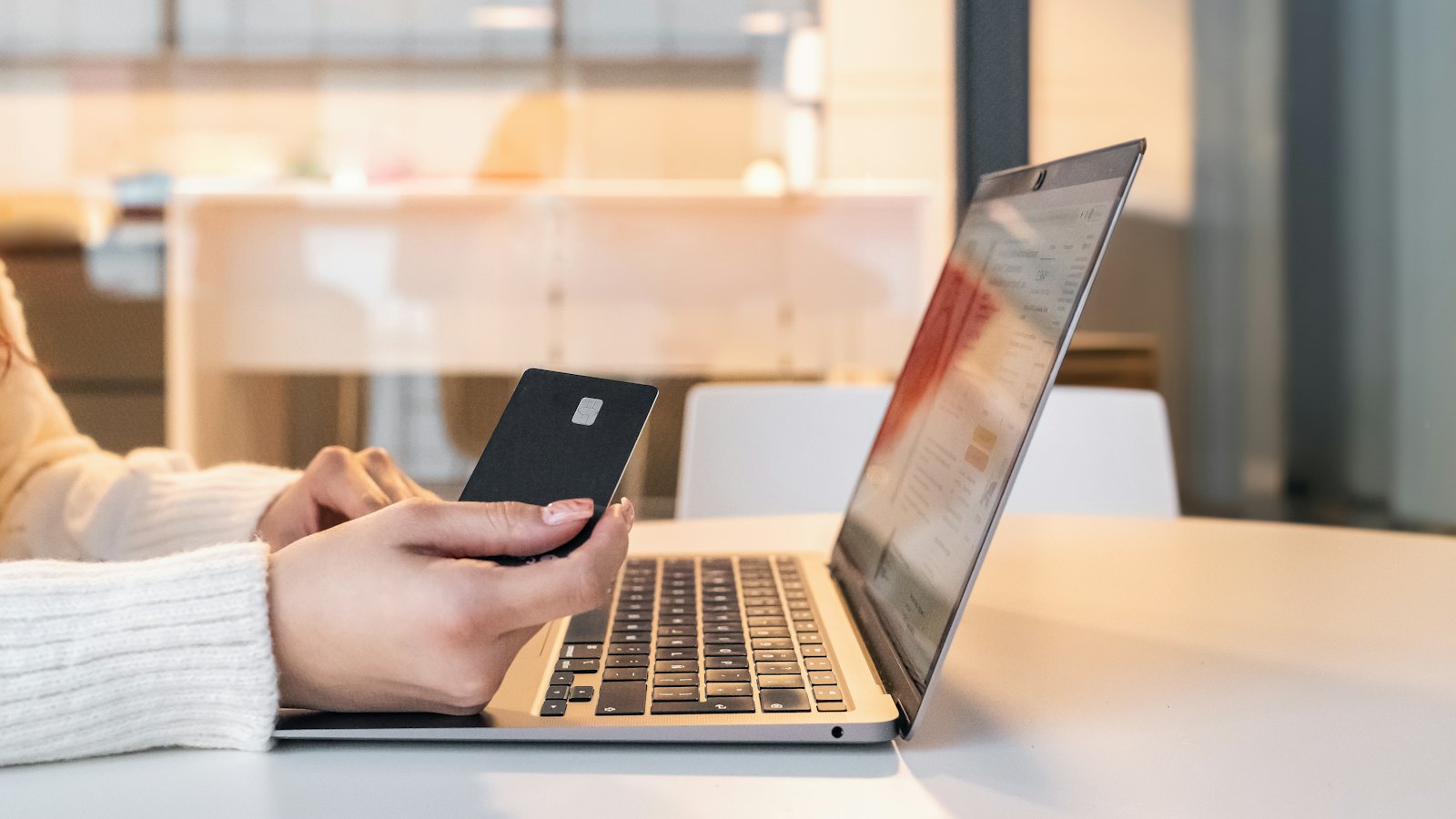
An advert appears in your social feed: the trainers you have wanted for months, 70% off, today only. The website looks polished, there is a countdown timer, and dozens of five-star reviews. You pay by bank transfer because the card option "isn't working today". Two weeks later, nothing has arrived, the website has vanished, and the bank says the transfer cannot be reversed.
Online shopping scams are some of the most common scams in the world, because shopping online is now so normal that we rarely stop to check. They range from shops that never existed to real marketplaces where the other person is not who they say, and from counterfeit goods to fake delivery fees.
This guide explains how shopping scams work, the main types for both buyers and sellers, how to check a shop or a seller, which payment methods protect you, and exactly what to do if a purchase goes wrong, wherever you live.
How online shopping scams work
Almost every shopping scam has three parts.
- An offer too good to check. A price, a rare item or a deadline that makes you want to act before thinking.
- A payment you cannot reverse. The scammer steers you towards bank transfer, mobile money, cryptocurrency or gift cards, or away from the platform's protected checkout.
- Nothing, or not what you paid for. The goods never arrive, arrive as cheap fakes, or the "shop" was simply a way to collect your card details.
The same tricks appear in our complete guide to online scams; this guide focuses on what makes shopping and payments different.
Scams that target buyers
Fake online shops
Professional-looking websites selling popular goods at impossible prices. Many are set up quickly, advertised heavily on social media, and taken down within weeks. Some deliver nothing; some deliver counterfeits; some exist only to steal card details.
Social media shops and adverts
Adverts and pages on Facebook, Instagram and TikTok that lead to fake shops, or sellers who take orders by direct message and ask for payment by transfer.
Marketplace seller scams
On classifieds and marketplace apps, a seller offers an item, asks you to pay a deposit or pay outside the app, then disappears. Some send a fake "escrow" or "delivery service" link that is really a phishing page.
Delivery and customs fee scams
Texts and emails claiming a parcel is held until you pay a small fee. The page collects card details. See smishing.
Counterfeit goods
Branded goods at steep discounts that turn out to be fake, poor quality or unsafe, particularly cosmetics, electronics and medicines.
Subscription traps
A "free trial" or a small shipping charge that quietly signs you up for expensive recurring payments hidden in the small print.
Deposits for things that do not exist
Pets, cars, rentals, event tickets and holiday bookings where you pay a deposit to hold something that was never available.
Compromised checkouts on real shops
Occasionally a genuine shop's website is hacked so that card details are copied as you type them. You cannot see this, which is why the payment method you choose matters.
Scams that target sellers
If you sell online, even occasionally, scammers come for you too.
- Fake payment confirmations: an email or screenshot that looks like it comes from a marketplace or payment service saying the buyer has paid. Always check your own account.
- Overpayment: a buyer "accidentally" pays too much and asks you to refund the difference. The original payment later bounces.
- The verification code trick: a buyer asks you to share a code sent to your phone "to prove you are real". It is usually the code to take over your WhatsApp or marketplace account. Read our guide to WhatsApp scams.
- Fake courier pickups: the buyer arranges a "courier" and sends a link where you must pay a fee or enter card details to receive the money.
- Returns fraud: a different, cheaper or broken item is returned in place of what you sold.
How to check an online shop before you buy
- Check the exact web address. Lookalike domains are common. Our guides on how to tell if a website is fake and ten signs of a fake website go through this in detail.
- Look up the domain's age with a free WHOIS lookup. A shop registered a few weeks ago selling famous brands at huge discounts is a strong warning sign.
- Read independent reviews, searching the shop name with "reviews" or "scam". Ignore reviews on the shop's own website.
- Look for real contact details: a physical address, a working phone number and a company name you can check.
- Read the returns and delivery policy. Vague, copied or missing policies are a red flag.
- Compare prices. If one shop is far cheaper than every other seller, ask why.
- Check the payment options. Be very wary of shops that only accept bank transfer, crypto or gift cards, or whose card payment "isn't working".
Not sure about a shop? Paste its web address into CyberWatch AI Scan. It is free and explains what looks suspicious about the site. Use it together with the checks above.
How to check a marketplace seller or buyer
- Keep everything on the platform: messages, payment and delivery arrangements.
- Check the account: how long it has existed, its ratings and whether its other listings look genuine.
- For expensive items, inspect in person in a safe public place before paying, where that is possible.
- Search the listing photos with a reverse image search. Stolen photos are common.
- Never share codes sent to your phone, and never follow payment or courier links sent by the other person.
Payment methods compared
How you pay decides how much protection you have if something goes wrong. Rules differ between countries, card schemes and providers, so check what applies to you.
| Payment method | Protection if things go wrong | Use it for |
|---|---|---|
| Credit card | Often the strongest dispute and chargeback rights | Online purchases, especially from new shops |
| Debit card | Chargebacks are often available, but protections can be weaker and your own money is tied up | Trusted shops |
| Payment services with buyer protection | Protection for eligible purchases of goods, if you use the goods-and-services option | Marketplace and private sales |
| Virtual or single-use card | Card details can be cancelled after use, limiting exposure | One-off purchases from unfamiliar sites |
| Bank transfer | Very hard to reverse once sent | People and businesses you know and have verified |
| Mobile money | Very hard to reverse once withdrawn | People you know and trust |
| Cryptocurrency | Practically irreversible | Avoid for purchases from strangers |
| Gift cards | None. A request to pay with gift cards is a scam | Gifts only |
Our guide to mobile money, banking and financial scams covers the wider picture of protecting your cards and accounts.
Illustrative examples, with the red flags explained
These examples are fictional and written for this guide. Links have been broken on purpose so they cannot be clicked.
hxxps://brandoutlet-clearance[.]shop- An 80% discount on a popular brand, and a scarcity countdown.
- A shop address that is not the brand's own website.
- What to do: check the domain's age and independent reviews, and buy from the brand's official site or authorised retailers.
hxxps://secure-deliverypay[.]com/receive- No questions about the item, and an immediate courier offer.
- A code request, which is really your account's verification code.
- A link to "receive" money, which leads to a card-stealing page.
- What to do: keep the sale on the platform, share no codes, and accept payment only through the platform or in person.
- Pressure from "many enquiries", and a deposit by transfer.
- An excuse not to show the animal on video.
- A "transport partner" that often asks for more fees later.
- What to do: never pay before seeing the animal in person or on a live video call, and search the photos online.
Big sale seasons and holidays
Scams multiply around the events when everyone is shopping: end-of-year holidays, big discount days, back-to-school season and major sporting events. Scammers copy the language of real promotions, buy adverts at the same time as genuine retailers, and send fake delivery messages when people are expecting parcels.
- Make a list of what you want and where you will buy it, before the adverts start.
- Buy from shops you have checked rather than the first advert that appears.
- Track parcels in the retailer's or courier's own app, not through links in texts.
- Be extra careful with gift cards, which are both popular gifts and a favourite scam payment.
Buying from sellers in other countries
Buying across borders opens up more choice, and more risk. If something goes wrong, the seller may be outside the reach of your country's consumer law, returns can be expensive, and customs charges may be added on arrival.
- Check where the seller really is. A local-sounding name and currency do not guarantee a local business.
- Understand the total cost, including shipping, import taxes and customs fees, before you pay.
- Use a protected payment method, which matters even more when legal routes are harder.
- Know where to get help. In Europe, the European Consumer Centres Network helps with purchases from sellers in other European countries.
Shopping in apps and on your phone
Most shopping now happens on phones, where it is harder to check web addresses and easy to tap an advert by accident.
- Install shopping apps only from official app stores, and check the developer name matches the retailer.
- Open links from messages with care. Press and hold to preview the address first.
- Lock payment apps and wallets with a PIN, fingerprint or face recognition.
- Review saved cards and subscriptions in your phone's app store and payment settings every few months.
How to protect yourself when shopping online
- Use a payment method with protection for anything from a seller you do not know.
- Consider a separate card or a virtual card for online shopping, with a lower limit.
- Turn on transaction alerts so you see every charge straight away.
- Protect shopping accounts with unique passwords and two-step verification. A hijacked marketplace account can be used to scam others in your name.
- Type addresses or use apps rather than clicking links in adverts, texts and emails.
- Keep records: order confirmations, screenshots of listings, messages and delivery tracking.
- Read the terms of free trials and subscriptions before entering card details.
If a purchase goes wrong
- Contact the seller once, in writing, and keep the reply or the silence as evidence.
- If you paid by card, ask your bank or card issuer about a dispute or chargeback. Do it quickly, because time limits apply.
- If you used a marketplace or payment service, open a case in its resolution centre within its deadline.
- If card details were entered on a suspicious site, cancel the card and watch your statements.
- If you paid by transfer or mobile money, call your bank or provider immediately. Recovery is uncertain, but speed gives you the best chance.
- Report it to the platform, and to the consumer or fraud body where you live.
Know your rights before you need them
Consumer law differs from country to country, but many share common protections for online purchases: goods should match their description, arrive within a reasonable time and be of acceptable quality, and some countries give you a short period to change your mind about purchases made at a distance. Knowing your basic rights helps you spot a seller who is trying to avoid them.
- Look for the seller's legal name and address in the terms and conditions. Reputable shops make these easy to find.
- Save the product page and terms when you buy, in case they change later.
- Be wary of "no refunds under any circumstances" on new goods, which often signals a seller who does not intend to honour any rights.
- Ask your consumer protection body if you are unsure what applies. Advice is usually free.
Where to report shopping scams
| Where you are | Where to report or get help |
|---|---|
| Anywhere | Your bank or card issuer first; then the marketplace, social network or payment service. Report fake shop websites to Google Safe Browsing. |
| European Union, Iceland, Norway | For purchases from a seller in another European country, the European Consumer Centres Network (ECC-Net) offers free help. |
| United Kingdom | Citizens Advice consumer service for advice; Report Fraud at reportfraud.police.uk or 0300 123 2040 for fraud (England, Wales and Northern Ireland). |
| United States | Federal Trade Commission at reportfraud.ftc.gov. |
| Canada | Canadian Anti-Fraud Centre: 1-888-495-8501. |
| Australia | Scamwatch at scamwatch.gov.au. |
| Other countries | Your national consumer protection authority and police cybercrime unit. Our online scams guide lists reporting services for several more countries. |
If you run an online shop
Businesses that sell online face fake buyers, stolen cards, fake payment confirmations and copycat websites that impersonate their brand. Confirm every payment in your own account before shipping, use a reputable payment provider so card details never touch your systems, protect admin logins with two-step verification, and watch for fake copies of your site. Our guide to small business cybersecurity covers website and online store security in more detail.
Common myths about shopping online
- "It has a padlock, so it's a real shop." The padlock only means the connection is encrypted.
- "It has hundreds of five-star reviews." Reviews on a shop's own site can be invented. Check independent sources.
- "I found it through an advert on a big platform." Adverts are not a guarantee; fake shops advertise too.
- "Bank transfer is safer because it doesn't use my card." It is the opposite for purchases: transfers are much harder to recover.
- "It's only a small amount." Small fees are often a way to collect full card details.
Frequently asked questions
How can I tell if an online shop is legitimate?
Check the exact web address, look for real contact details and a clear returns policy, read reviews on independent sites rather than the shop's own pages, and be wary of prices far below everyone else. A very new website selling popular goods at huge discounts is a common warning sign.
What is the safest way to pay online?
Payment methods with strong dispute rights, such as credit cards in many countries and buyer-protection schemes offered by some payment services, give you the best chance of getting money back. Bank transfers, mobile money, cryptocurrency and gift cards are much harder or impossible to reverse.
I paid but the goods never arrived. What should I do?
Contact the seller once and keep the reply. If you paid by card, ask your bank or card issuer about a dispute or chargeback as soon as possible, because time limits apply. If you bought through a marketplace, open a case in its resolution centre. Report the shop to your consumer protection body.
What is a chargeback?
A chargeback is when your card issuer reverses a card payment after you dispute it, for example because goods never arrived or were not as described. Rules and time limits vary by country and card scheme, so contact your bank quickly.
Why does the seller want me to pay outside the marketplace?
Paying outside the platform removes the marketplace's buyer protection and makes the payment harder to trace or reverse. It is one of the most common signs of a marketplace scam. Keep payment and messages inside the platform.
A buyer asked me for a verification code. Should I send it?
No. A code sent to your phone during a sale is usually a code to take over your account, such as your messaging or marketplace account. Genuine buyers never need a code from you.
Are social media shop adverts safe?
Some are genuine, but social ads are a common route to fake shops. Check the shop's website address, age and independent reviews before paying, and use a payment method you can dispute.
Can a real shop's checkout be dangerous?
Occasionally a genuine shop's website is hacked so that card details are copied at checkout. You cannot easily spot this, which is why using a card with dispute rights, a virtual card or a trusted payment service, and watching your statements, all help.
Is it safe to save my card on shopping websites?
Only on large, well-known services you use often and that protect your account with two-step verification. For one-off purchases on unfamiliar sites, do not save your card, or use a virtual card that can be cancelled.
Can CyberWatch AI check if a shopping website is fake?
Yes. Paste the web address into CyberWatch AI Scan for free and it will explain what looks suspicious about the site. Combine it with the other checks in this guide before you pay.
Sources
- Online Shopping, US Federal Trade Commission
- Using Credit Cards and Disputing Charges, US Federal Trade Commission
- Shopping safely online, US Cybersecurity and Infrastructure Security Agency
- Check if something might be a scam, Citizens Advice (UK)
- European Consumer Centres Network (ECC-Net), European Commission
- Report a scam, Scamwatch, Australian Competition and Consumer Commission
- Report fraud and cybercrime, Canadian Anti-Fraud Centre
- Report fraud to the FTC, US Federal Trade Commission
- Report a phishing page, Google Safe Browsing